Swakopmund — Namibia is rapidly redefining the global perception of African travel, challenging traditional stereotypes through a landscape defined by surreal natural beauty and a sophisticated, self-sufficient tourism infrastructure. A recent high-profile road trip through the nation has highlighted how the country offers a rugged, yet accessible, "off-the-beaten-path" experience, with travelers increasingly opting to navigate the unforgiving terrain in private 4x4 vehicles rather than relying on traditional tour guides or crowded excursions.
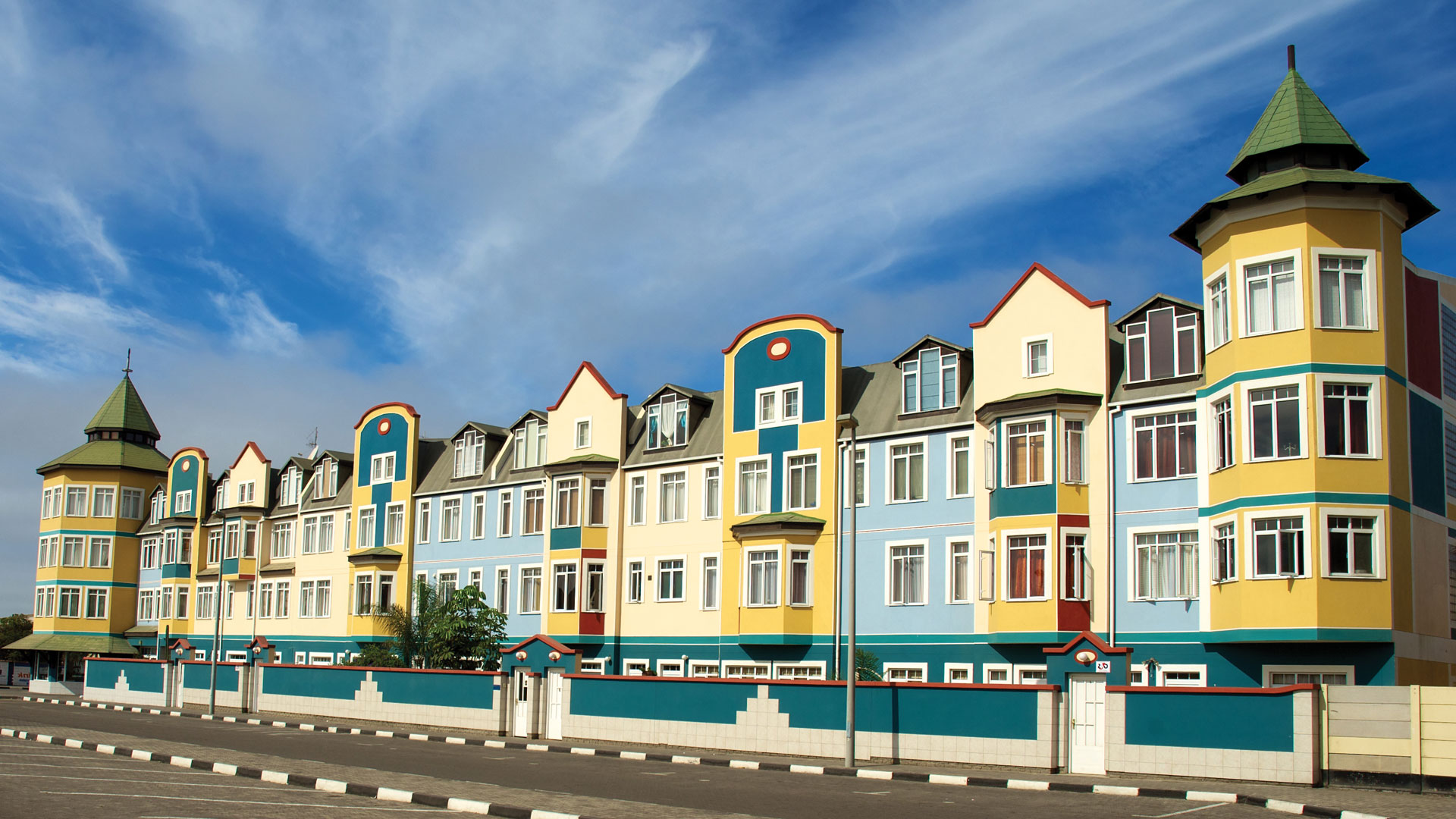
The journey typically commences in the coastal town of Swakopmund, an architectural anomaly where German colonial influence remains strikingly preserved. Visitors are drawn to the town’s unique charm, often dining on fresh Atlantic seafood at local landmarks like The Tug Restaurant. Beyond its European aesthetic, Swakopmund serves as a gateway to the region’s indigenous heritage, with local markets providing a platform for travelers to engage with and learn about the Himba culture.
Continuing south toward Walvis Bay, the landscape shifts into a palette of vivid, otherworldly colors. The region is famous for its bright pink salt lakes and the massive colonies of Cape fur seals and flamingos that congregate at Pelican Point. The drive through this coastal desert provides a stark contrast to the interior, where the route eventually leads to the remote outpost of Solitaire. Despite its isolation in the middle of the desert, Solitaire has become a mandatory stop for international travelers, primarily to visit its world-famous remote bakery known for its signature apple pie.

Related article - Uphorial Shopify
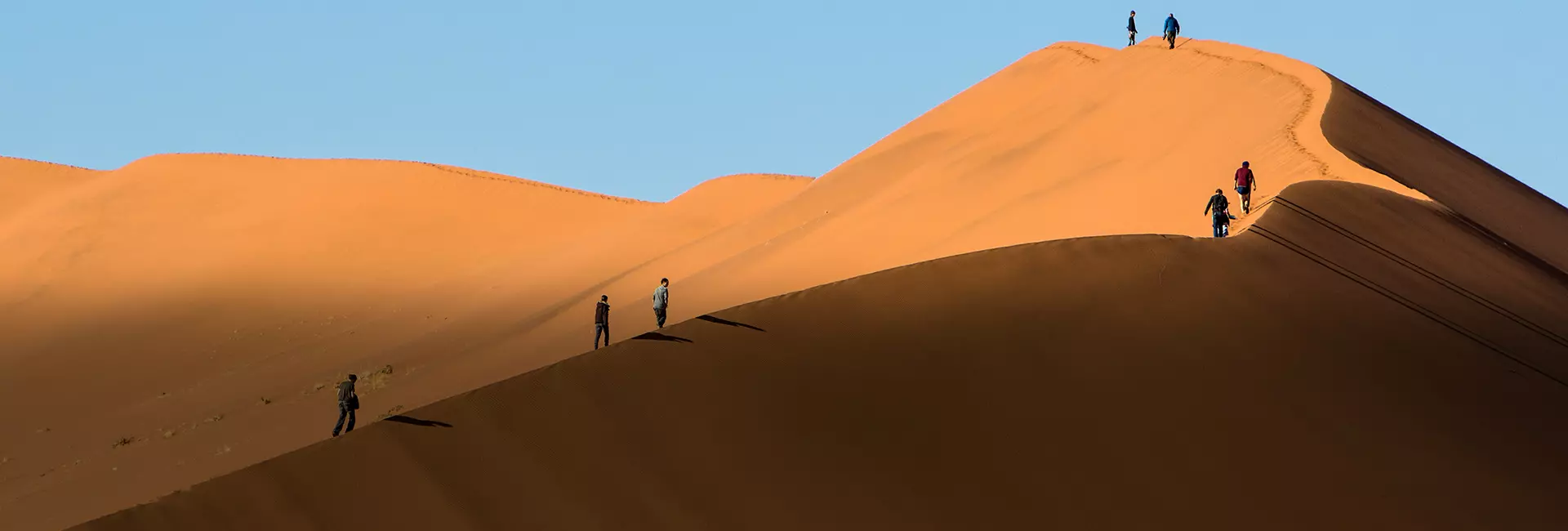
The heart of the Namibian experience remains the Namib-Naukluft Park, specifically the iconic regions of Sossusvlei and Deadvlei. Staying at the Deadvlei Lodge grants travelers early-morning access to the white clay pans, where 900-year-old skeletal camel thorn trees stand in stark relief against some of the highest red sand dunes in the world. For the more adventurous, the journey often includes an intense hike up "Big Daddy," a dune standing at a formidable 325 meters, offering panoramic views of the ancient, scorched landscape below.
As the circuit concludes with the drive back to the capital city of Windhoek, the consensus among modern explorers is one of deep admiration for the country’s well-maintained environments and entrepreneurial spirit. With its combination of solitude, safety, and breathtaking geological formations, Namibia is cementing its status as a premier destination for those seeking a truly authentic and self-determined African adventure.