NEW YORK – In the modern culinary landscape, where efficiency and sustainability are as vital as flavor, professional chef Frank Proto has unveiled a comprehensive guide to mastering the art of fruit management. As part of a broader movement to reduce household food waste in 2026, Proto’s expert hacks offer a masterclass in selecting, storing, and preparing various fruits to maximize their utility. By shifting the focus from simple consumption to strategic kitchen management, these techniques promise to streamline meal preparation while ensuring that every piece of produce is used to its full potential, from the first peel to the final repurposing of the skin.
The journey begins with the ubiquitous banana, a fruit that often dictates the ripening pace of the entire kitchen. Proto suggests a proactive approach to managing its lifespan: wrapping the stems in plastic can significantly slow down the ripening process, while placing them in close proximity to other fruits can act as a natural catalyst to accelerate their maturity. For those looking to preserve bananas for long-term use in smoothies or baking, the chef emphasizes the importance of peeling the fruit before freezing. This simple step eliminates the struggle of handling frozen skins and ensures a seamless transition from the freezer to the blender.
Citrus fruits require a similarly tactical eye during the selection process. When searching for the juiciest limes, Proto advises consumers to look for those with smooth, thin skins rather than those with a pebbled texture. Once in the kitchen, the "supreming" method—a professional technique used to remove the bitter pith and cleanly segment the fruit—is recommended for elevated presentations. Furthermore, the chef highlights a sustainable afterlife for citrus remains: by soaking discarded peels in white vinegar, home cooks can create a powerful, natural household cleaner, effectively turning kitchen waste into a functional utility.
Managing the notoriously finicky avocado is often a point of frustration for many, but Proto offers two foolproof indicators of ripeness. A gentle "give" when pressed and a stem that pops off easily to reveal green underneath are the gold standards for selection. To increase efficiency when preparing large batches of guacamole or salads, he suggests using a wire cooling rack as a specialized dicing tool. By pressing a halved avocado through the grid of the rack, cooks can achieve perfectly uniform pieces in a fraction of the time it takes to use a traditional knife.

Related article - Uphorial Shopify
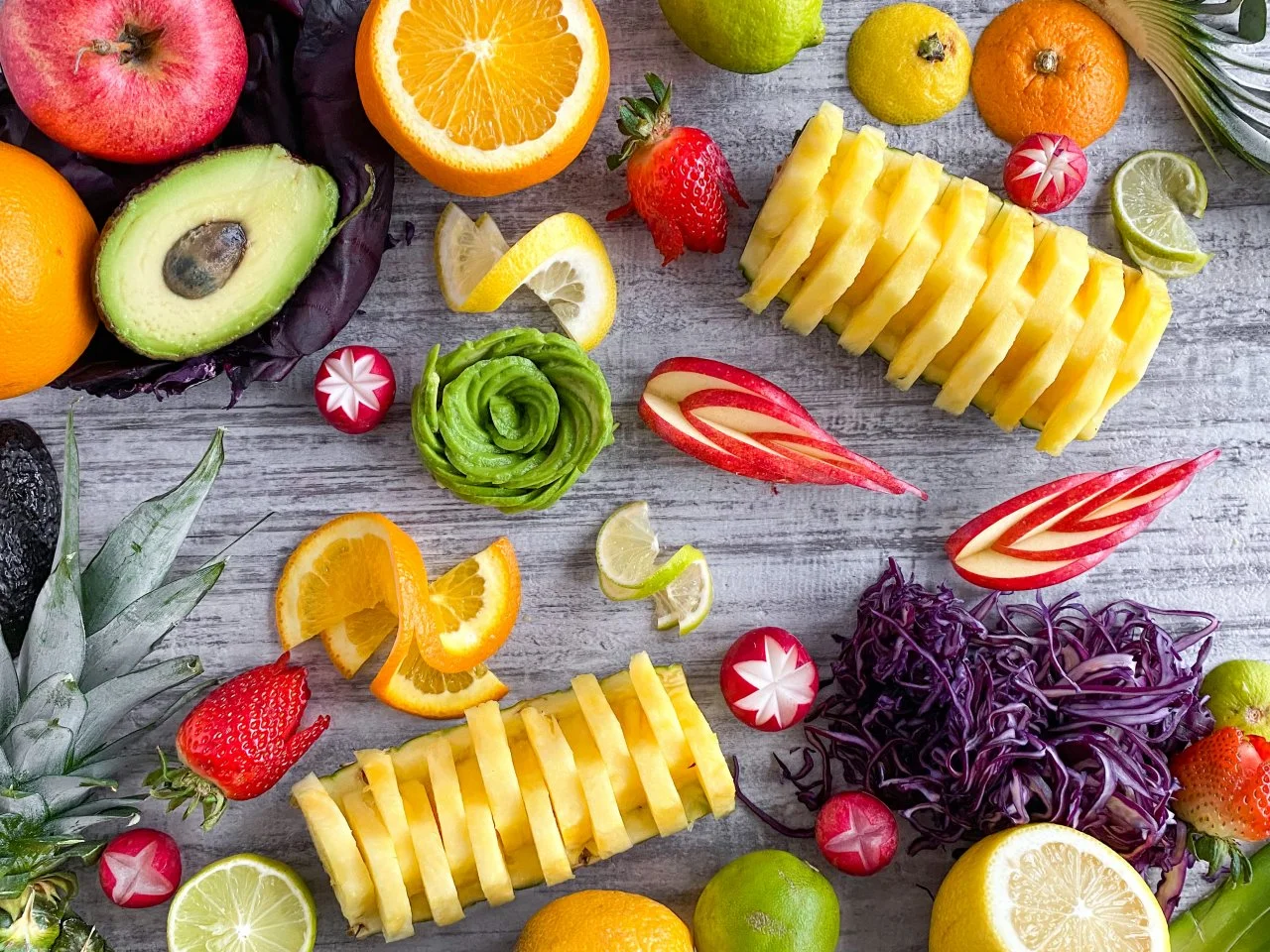
Efficiency remains the primary theme when handling hardier fruits like apples and watermelons. For apples, Proto recommends a rapid quartering and coring technique that prioritizes speed over intricate slicing. While lemon juice is a well-known remedy to prevent browning, he notes that this step is often unnecessary if the apples are destined for cooked dishes where oxidation will be masked by heat. When it comes to the daunting task of slicing a large watermelon, the secret lies in the base. By first choosing a fruit that features a prominent yellow "ground patch"—an indicator of natural ripening—and then slicing off the ends to create a stable, flat surface, the cook can safely and quickly navigate the rest of the fruit.

The management of smaller, more delicate fruits requires a focus on moisture control and bulk processing. Berries, which are notoriously prone to rapid spoilage, should be stored with a paper towel to wick away excess moisture after washing. If the berries begin to show signs of over-ripening, Proto suggests pivoting from fresh consumption to creating a quick compote, extending their shelf life through heat and sugar. For grapes, a clever "deli lid" hack allows for the simultaneous slicing of dozens of pieces. By sandwiching a handful of grapes between two plastic container lids and running a knife through the gap, a tedious task is transformed into a single, efficient motion.
Specialized fruits like pomegranates, peaches, and mangoes each come with their own set of professional protocols. To avoid the infamous mess associated with pomegranates, Proto advises scoring the fruit into sections and peeling the skin back to release the seeds cleanly. For peaches, a quick blanching process—dipping the fruit into boiling water followed by an ice bath—makes the removal of skin and fuzz effortless. When freezing these stone fruits, flat-packing them on a tray before bagging prevents the pieces from sticking together. Finally, the "cheek" method for mangoes ensures maximum yield; by slicing off the large sides first to avoid the flat center seed, the fruit can be scored and "popped" open for immediate service. Through these collective hacks, the professional kitchen’s secrets are made accessible, proving that with the right technique, the path to a zero-waste kitchen is both practical and delicious.