NEW YORK CITY – The 2026 global culinary landscape has been profoundly shaped by voices that bridge the gap between tradition and innovation, none more so than world-renowned chef Marcus Samuelsson. In a wide-ranging conversation held in late March 2026, Samuelsson detailed a life journey that spans continents, beginning in a small village in Ethiopia and winding through the kitchens of Sweden before culminating in the creation of a global food empire based in New York City. The dialogue, which touched on themes of identity, resilience, and the burgeoning influence of African food culture, provided a rare look into the man behind the Red Rooster and Hav & Mar brands.
The foundational chapters of Samuelsson’s life are as cinematic as they are harrowing. Born Kasahun Tsegie in the rural village of Abrugandana, he recounted the 75-mile journey his mother took on foot to save him and his sister, Fantaye, during a tuberculosis outbreak. While both children survived, their mother succumbed to the disease in Addis Ababa. The siblings were subsequently adopted by Lennart and Ann Marie Samuelsson and raised in Gothenburg, Sweden. Growing up as a Black child in a predominantly white, blue-collar environment, Samuelsson faced early brushes with racism, including being denied a job at a local fast-food chain. However, it was within this Swedish upbringing that his culinary spark was lit—not in a professional kitchen, but at the side of his grandmother, Helga, whose lessons in pickling, preserving, and baking formed the bedrock of his technical skill.
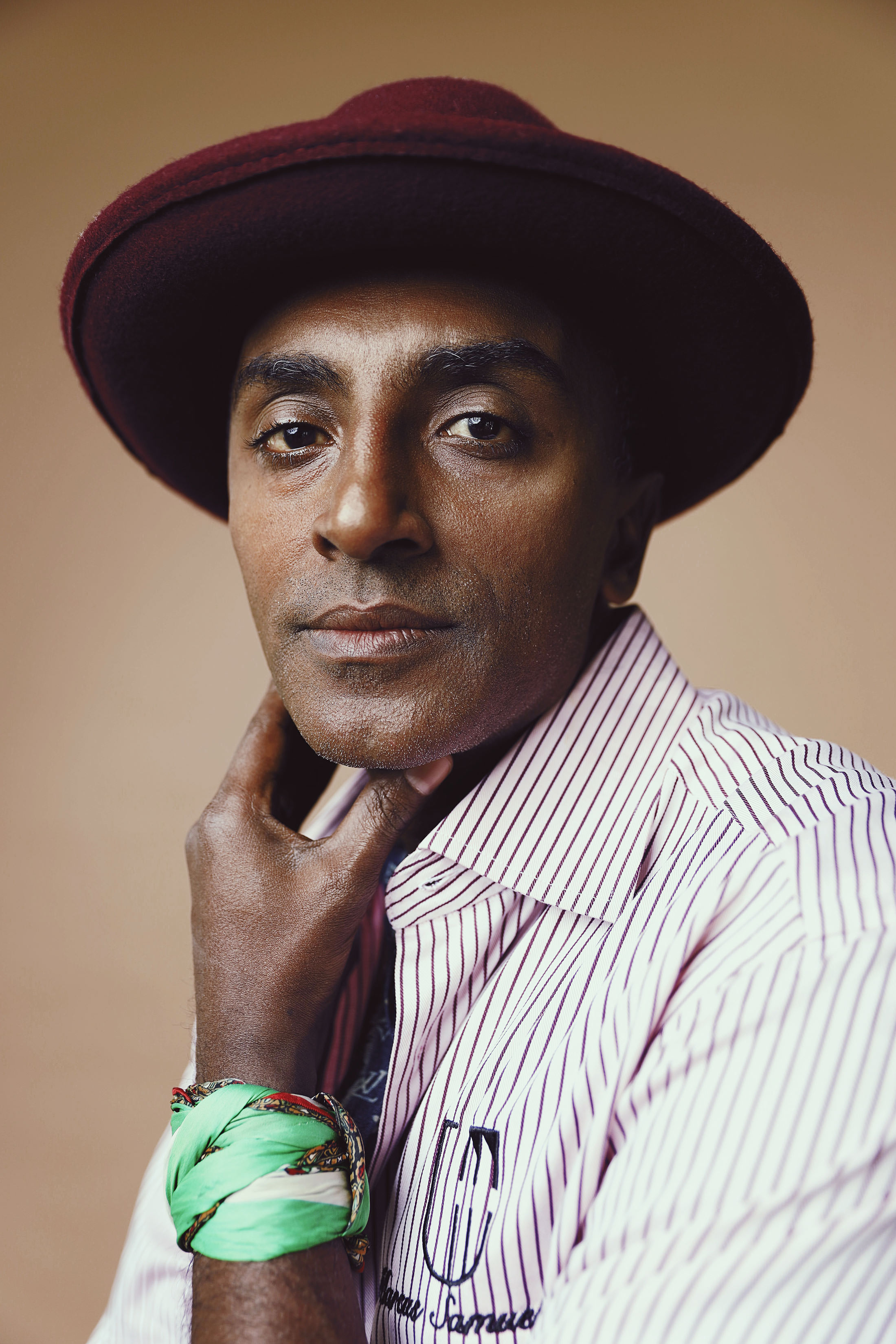
Breaking into the upper echelons of the fine-dining world presented its own set of systemic barriers. Samuelsson discussed the challenges of being a Black chef in a hierarchical European system that rarely saw people of color in leadership positions. Despite being told that a Black man could not own a successful high-end restaurant, he bet on himself, eventually moving to New York City. At just 24, he became the youngest executive chef to receive a three-star review from the New York Times for his work at Aquavit. Yet, even as his fame grew, he felt a pull toward his origins. One of the most emotional highlights of the conversation was his description of returning to Ethiopia as an adult to find his biological father, a priest who had survived the war, and meeting eight half-siblings he never knew existed. This reconnection provided the missing piece of his identity, allowing him to finally blend his Swedish training with his African roots.

Related article - Uphorial Shopify
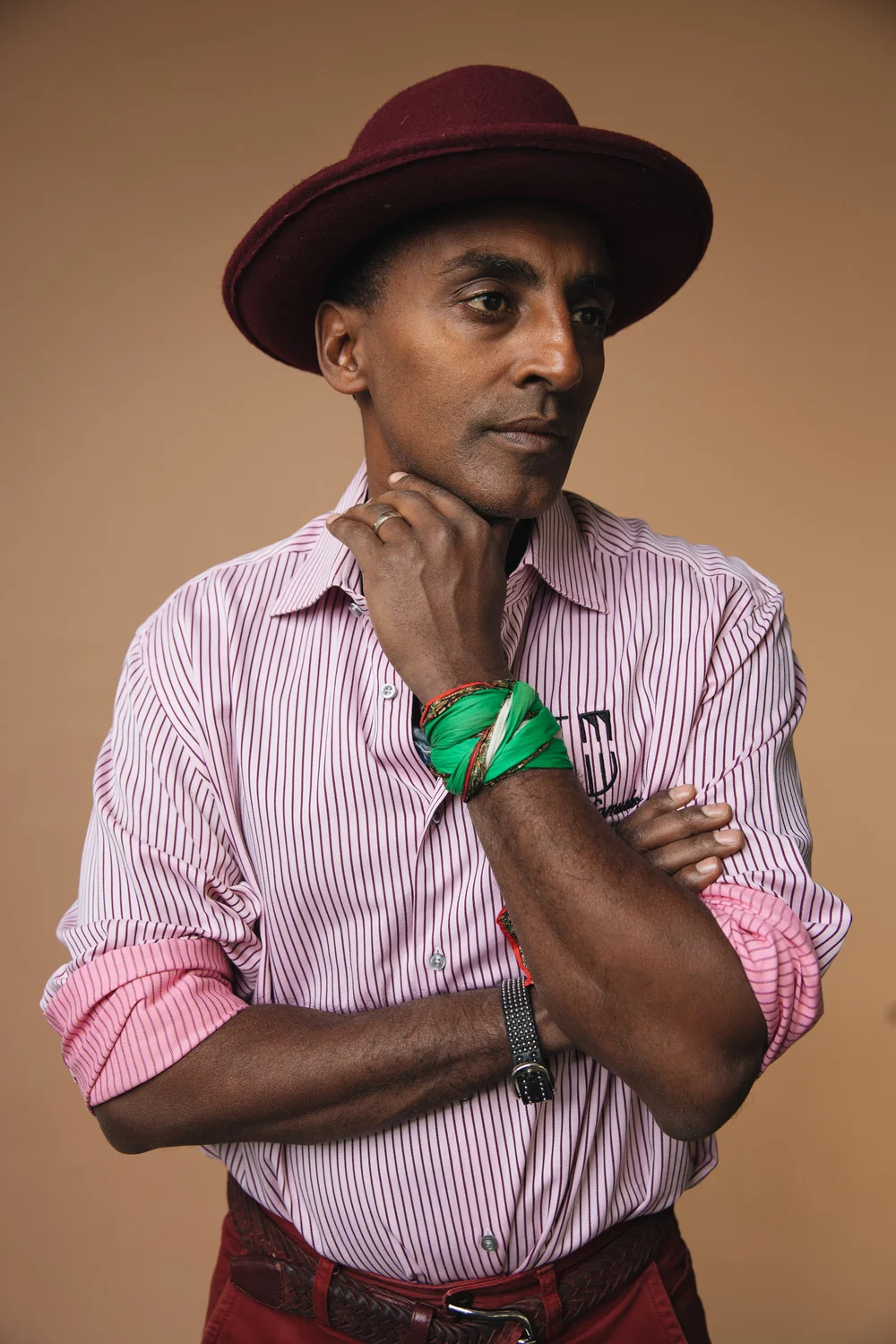
This synthesis of heritage is most visible in his newest New York venture, Hav & Mar, located in Chelsea. The name itself—Hav meaning ocean in Swedish and Mar meaning honey in Amharic—serves as a linguistic bridge between his two worlds. Samuelsson shared his vision for the restaurant as a modern African dining experience that honors the "mom and pop" establishments that paved the way. He emphasized that building an empire in 2026 isn't about replacing tradition but elevating it, creating spaces where the diverse stories of the African diaspora can be told through a refined lens. This philosophy extends to the Jollof Debate, a lighthearted but spirited segment of the conversation where Samuelsson weighed in on the legendary rivalry between West African nations over the origins and superiority of the iconic rice dish, ultimately celebrating it as a unifying symbol of the continent's culinary reach.
The role of mentorship and the shifting digital landscape were also central to the discussion. Samuelsson credited industry legends like Sylvia Woods, the "Queen of Soul Food," and lifestyle icon B. Smith for providing the guidance and community support necessary to thrive in Harlem. He spoke on the importance of "paying it forward" in 2026, navigating the impact of social media on cuisine while ensuring that the core values of hospitality—warmth, story, and soul—remain intact. For Samuelsson, food is more than just sustenance; it is a first language that transcends the borders of the countries he has called home. As he continues to expand his global footprint, his story remains a powerful testament to the idea that purpose and perseverance can indeed redefine what is possible in the world of gastronomy.