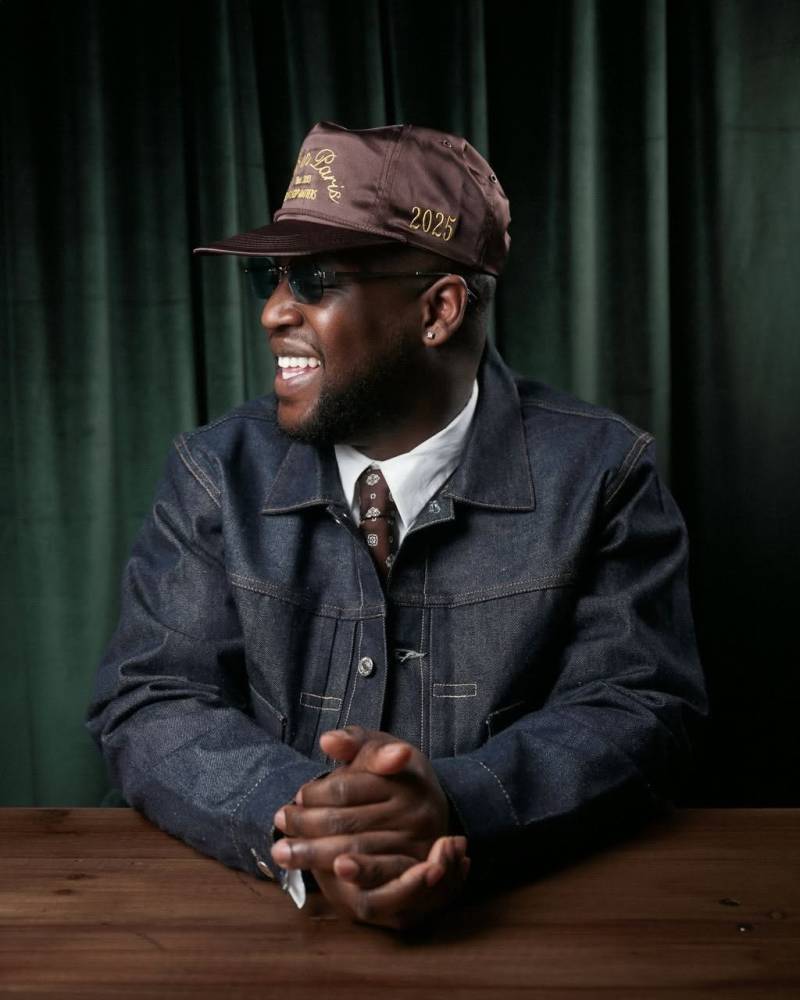
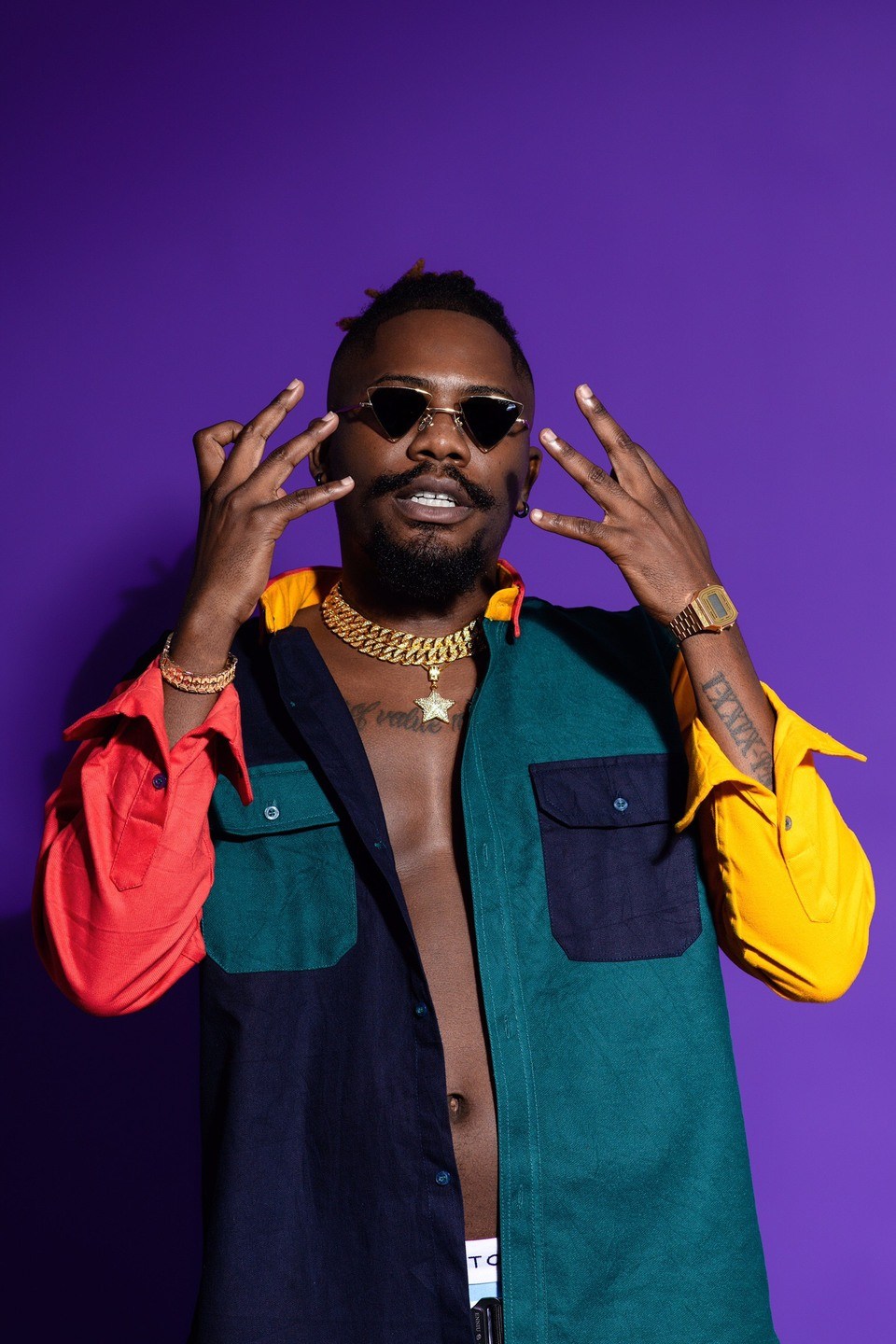
LAGOS - The journey of a creative soul is rarely a straight line, but for Nigerian artist YCee, the path has been one of profound turbulence and, ultimately, hard-won self-awareness. In a recent, deeply candid appearance on the Afropolitan Podcast, the rapper—known for his magnetic stage presence and trailblazing contributions to the Nigerian hip-hop scene—pulled back the curtain on a four-year hiatus that left fans and industry insiders speculating. What emerged was not a story of professional indifference, but a courageous account of a man navigating the invisible battles of mental health while simultaneously fighting to reclaim his narrative from the systemic machinations of an industry that often prioritizes output over the human being behind the microphone.
At the absolute zenith of his public profile, YCee was grappling with a diagnosis of bipolar disorder. It is a revelation that reframes his absence entirely, turning what was viewed as a career pause into a necessary reclamation of his interior life. YCee spoke with unflinching honesty about the clinical reality of his condition and the "foggy" dissociation induced by the medication he required, which, while necessary, effectively stifled the very wellspring of his creativity. His struggle was compounded by the societal environment in Nigeria, where the stigma surrounding mental health often acts as an invisible wall, discouraging the very discourse needed to heal. He contrasted this experience with his time in London during the global lockdown, where the discourse around well-being felt more accessible, offering him the space to breathe and, eventually, to understand that he had to separate his existence from his discography.This journey of self-discovery was further complicated by the sobering financial realities of the music business. YCee shared the harsh, often bitter lesson he learned during his tenure with Tiny Entertainment, a label that propelled him to national prominence with hits like "Jagaban" and "Juice." Despite the songs generating hundreds of millions of streams—numbers that, in the digital age, typically signify massive commercial success—YCee revealed he did not receive financial compensation for those records. He characterized the arrangement as a crushing realization of the "outsider’s perspective": from the outside, his life appeared to be a whirlwind of endorsement deals and international tours, but internally, the economics simply did not make sense. His departure from the label was more than just a business move; it was a desperate act of preservation, a necessary severing of a tie he described as detrimental to his creative and financial freedom.
Related article - Uphorial Shopify
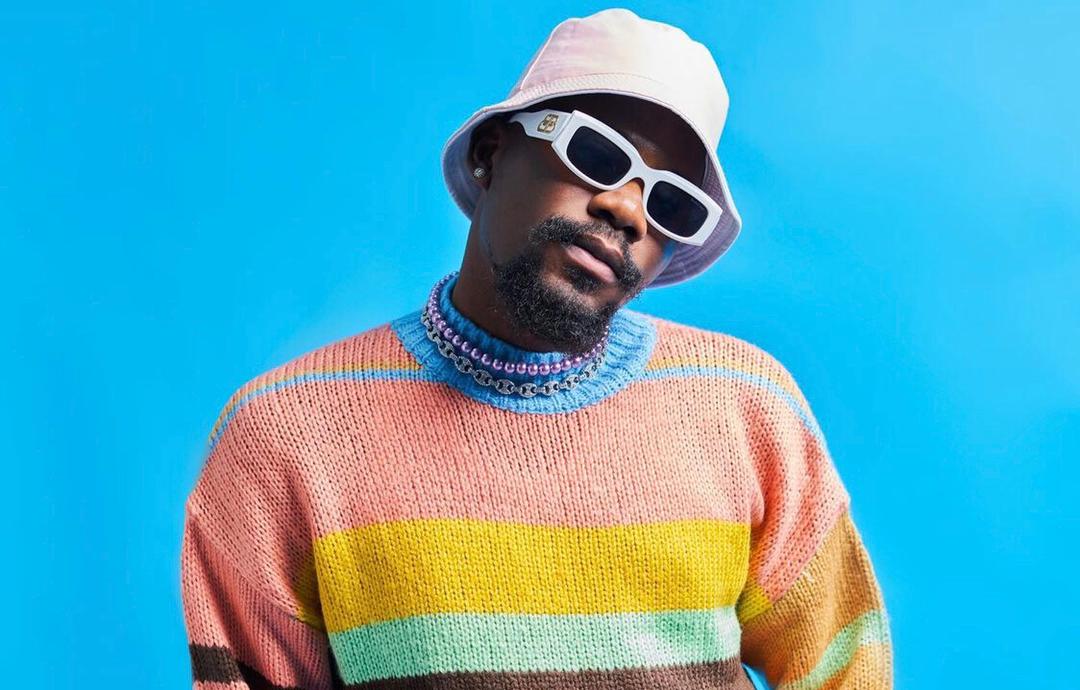
His perspective on the broader state of the Nigerian music industry is equally critical. YCee laments a pervasive shift toward a "virality-first" model, where the pursuit of short-lived streaming spikes has begun to eclipse the development of enduring artistic craft. Yet, amidst his critique, he remains a dedicated student of the culture. He speaks with genuine reverence for the new guard of Nigerian rap, singling out artists like Odumodublvck and Black Bones, whom he credits with maintaining a commitment to high-quality sound and authentic expression—a rare commodity in an industry increasingly homogenized by pop sensibilities.YCee’s cultural understanding extends to the semantic confusion currently plaguing the industry: the blurred line between "Afrobeat" and "Afrobeats." He argues that the industry’s failure to establish clear identity markers and educate the public on the distinction between the politically charged, high-life-infused Afrobeat pioneered by Fela Kuti and the pop-leaning, globally exported Afrobeats of the modern era has been a missed naming opportunity that invites unnecessary friction. He also addresses the pragmatic realities that force Nigerian artists to consider the viability of performing in their own country, where infrastructure costs and security concerns frequently necessitate a "necessary compromise"—a sobering reminder of the logistical hurdles that exist beneath the veneer of the industry's global rise.

The interview concluded with a characteristic display of candor regarding the high-profile conflict between J. Cole, Kendrick Lamar, and Drake. While YCee acknowledges a profound professional respect for J. Cole, he offers a sharp, strategic critique of the "beef" culture that has come to define modern hip-hop. He warns against the dangerous glorification of public conflict, arguing that once an artist steps into the arena of a lyrical battle, they must be prepared to commit fully. His words serve as a cautionary note to a generation of rappers often too eager to trade on the currency of confrontation, reminding his peers that the weight of one’s words is a responsibility that should not be taken lightly.Ultimately, YCee’s return to the spotlight is not merely a comeback; it is a reinvention. He emerges as an artist who has been forced to confront the exploitative underbelly of the music industry and the fragility of his own mental landscape. By refusing to be defined solely by his work—and by advocating for a culture that respects the artist as much as the output—YCee has managed to find a clarity that was missing at the height of his fame. For a generation of artists watching his journey, he serves as a powerful reminder that while the music is the vessel for our stories, the life lived in the quiet moments between the tracks is where the real work of art actually takes place.