SYDNEY-- The 2026 KPMG Sydney Sail Grand Prix concluded this weekend in spectacular fashion, providing a masterclass in high-stakes maritime tactics and technical precision on one of the world’s most challenging natural racing circuits. The event, which serves as a pivotal stop on the global SailGP calendar, saw ten national teams navigate the notoriously unpredictable corridors of Sydney Harbor. Over the course of seven grueling fleet races and a high-tension podium final, the regatta tested the absolute limits of hydrofoiling technology and athlete endurance, culminating in a dramatic upset that shifted the season's leaderboard.
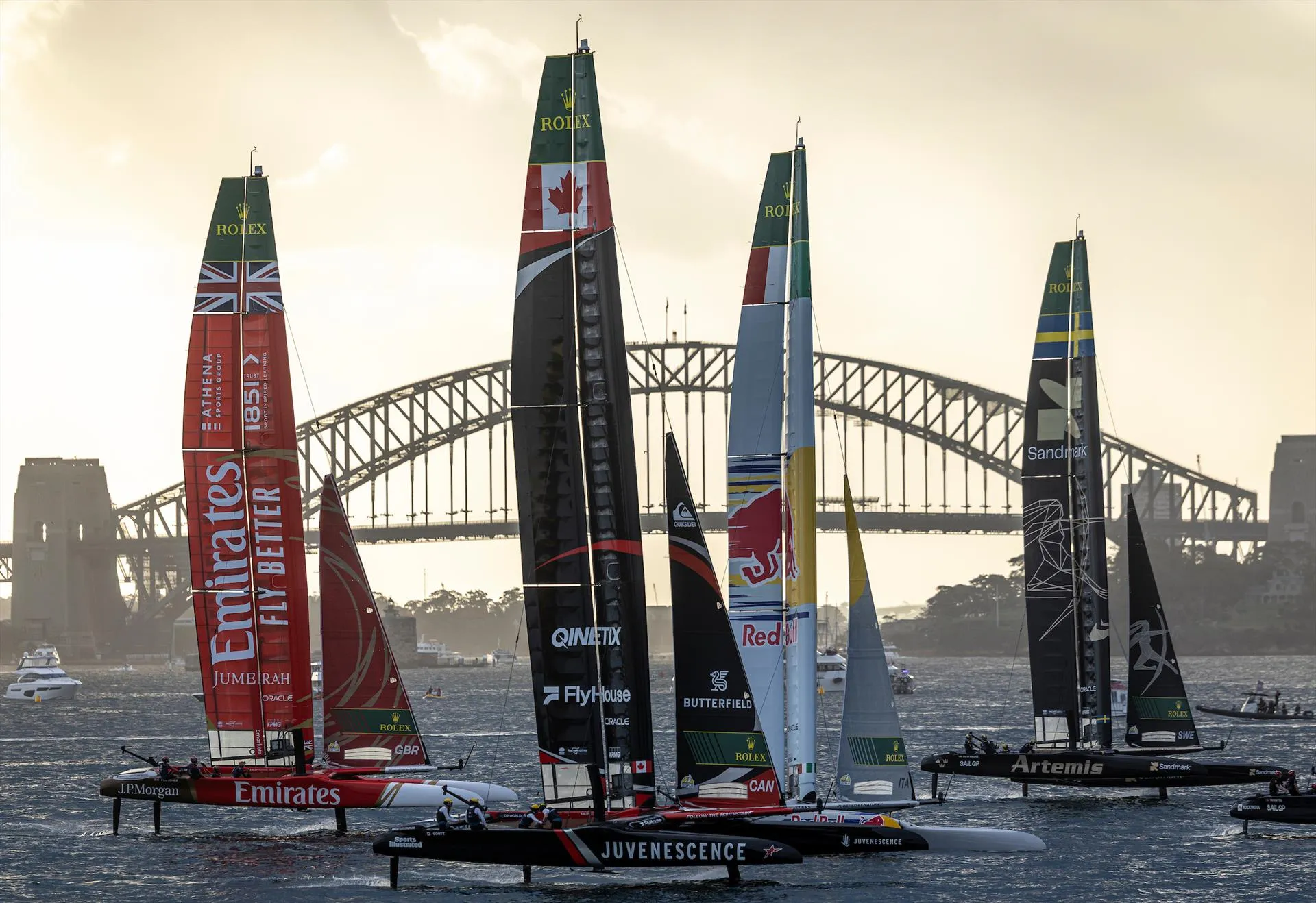
Sailing in Sydney Harbor presents a unique set of architectural and geographical hurdles that distinguish it from the open-water segments of the tour. Competitors were forced to contend with significant "wind shadows" cast by the city’s iconic skyline and the undulating topography of the shoreline, which can cause sudden, catastrophic losses in velocity. Navigating the tight boundaries around Shark Island required split-second decision-making, as teams balanced the need for optimal wind angles against the risk of grounding or mid-fleet collisions. The technical focus of the weekend remained squarely on the "flight" of the F50 catamarans; maintaining stable hydrofoiling capabilities was the baseline for success, with teams reaching breathtaking speeds while suspended meters above the white-capped harbor waters.
The early and middle stages of the regatta were defined by a fluctuating hierarchy, as varying wind conditions favored different tactical philosophies. The home favorites, Team Australia, utilized their intimate knowledge of the harbor’s currents to secure early victories, much to the delight of the partisan crowds lining the foreshore. However, they were pushed to the brink by a resurgent Spanish squad and a clinical Danish team, both of whom claimed crucial wins in the middle fleet races. These preliminary rounds emphasized that speed alone is insufficient in Sydney; the ability to execute complex foiling maneuvers while reacting to rapid shifts in wind pressure became the primary differentiator between the podium contenders and the rest of the pack.
Related article - Uphorial Shopify
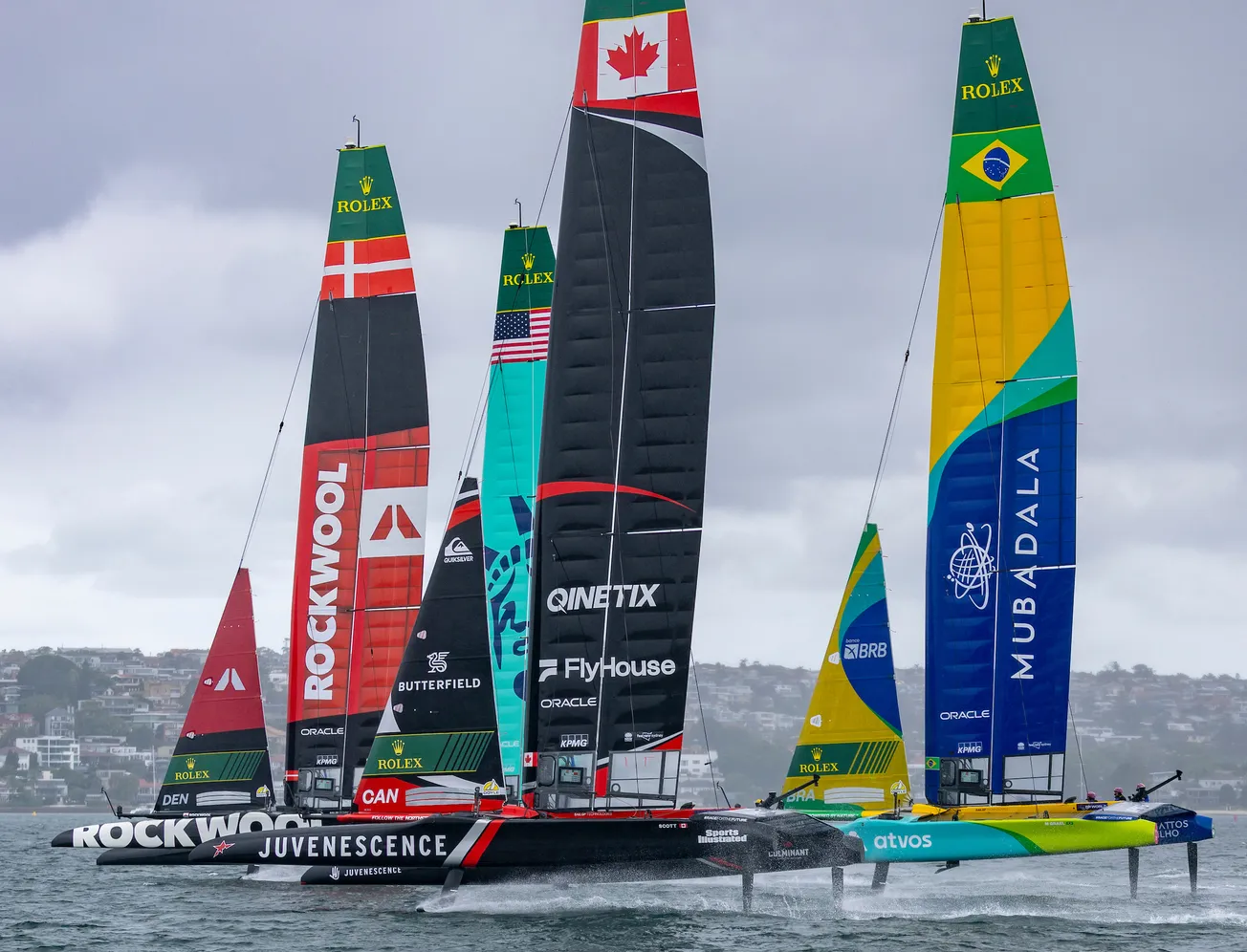
As the seventh fleet race concluded, the mathematical dust settled to reveal a surprising trio for the winner-take-all event final: the United States, Spain, and Great Britain. The absence of the dominant Australian and New Zealand teams from the final gate set the stage for an intense showdown between three nations hungry for a breakthrough. The final race began under darkening skies and volatile gusts, forcing the flight controllers and wing trimmers into a state of hyper-vigilance. While Great Britain showed early aggression at the starting line, it was the tactical composure of the American and Spanish boats that allowed them to break away during the first downwind leg.
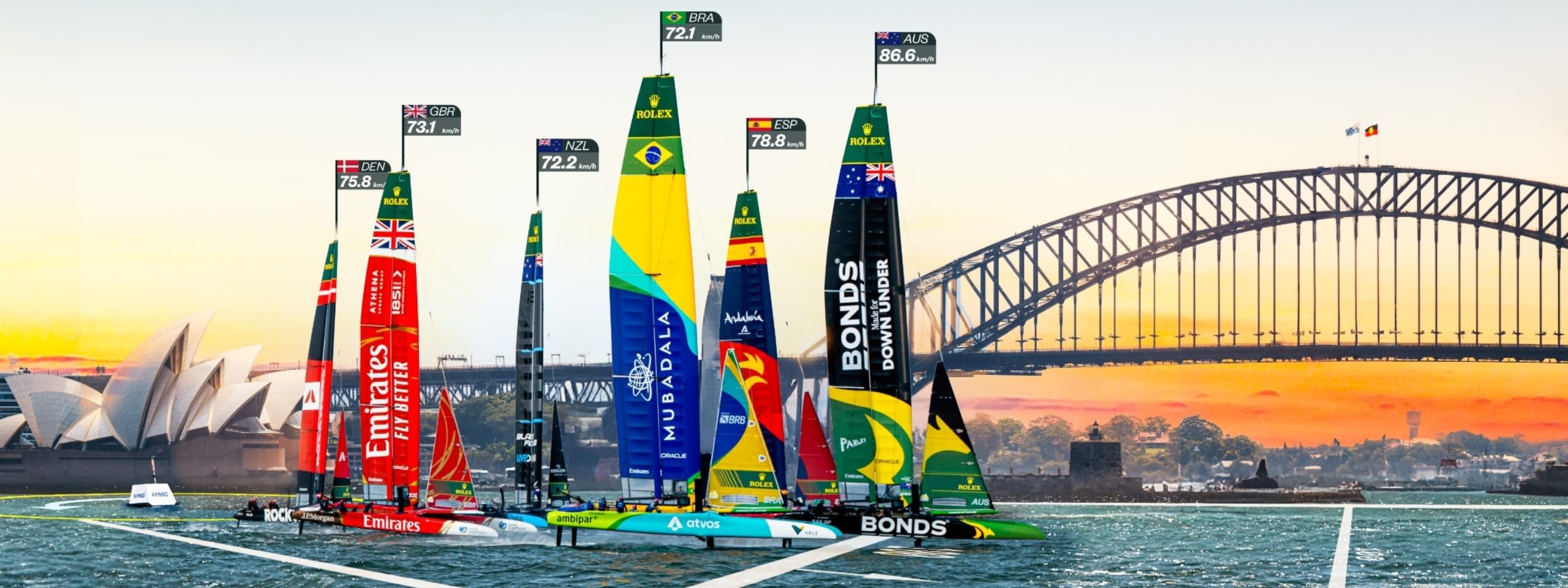
The climax of the Grand Prix centered on a daring tactical maneuver by the US SailGP Team during the final turn near the Opera House. Utilizing a superior foil-to-foil tack that allowed them to maintain maximum kinetic energy, the Americans managed to find a pocket of clean air that the British and Spanish teams missed. This split-second decision allowed the U.S. boat to accelerate into the final reach with a commanding lead. Despite a late-stage charge from the Spanish team, who demonstrated incredible recovery speed in the dying winds of the afternoon, the American crew held their line with clinical precision.
The US SailGP Team ultimately crossed the finish line to claim the 2026 Sydney title, a victory that silences critics following a string of inconsistent finishes earlier in the season. The win is particularly significant given the caliber of the competition; defeating a surging Spanish team and a seasoned British squad in a "light-air" finish underscored the depth of the American tactical bench. As the shipping containers are packed and the F50s are disassembled for the next leg of the tour, the Sydney Grand Prix will be remembered as a regatta where the mastery of the environment was just as important as the mastery of the machine. The victory for the United States not only shakes up the championship points standings but sets a high bar for the technical proficiency required as the fleet moves toward the European summer season.