Augustine "JJ" Okocha, widely celebrated as one of Africa's most gifted footballers, offered an insightful dissection of his illustrious career and the business surrounding African sport during a recent appearance on "The Long Form Podcast," recorded on the sidelines of the Sports Biz Africa forum in Kigali, Rwanda. Okocha, who now engages with the game as a stakeholder, emphasized that his involvement in the forum stems from a desire to see football—the game that created him—developed further, particularly from the business and corporate perspectives. He observed that while many stakeholders are now beginning to grasp the business side of football, which he acknowledges as a "big global business," necessary infrastructure and structures are still lacking for African legends to truly invest in local leagues and ensure value for money.
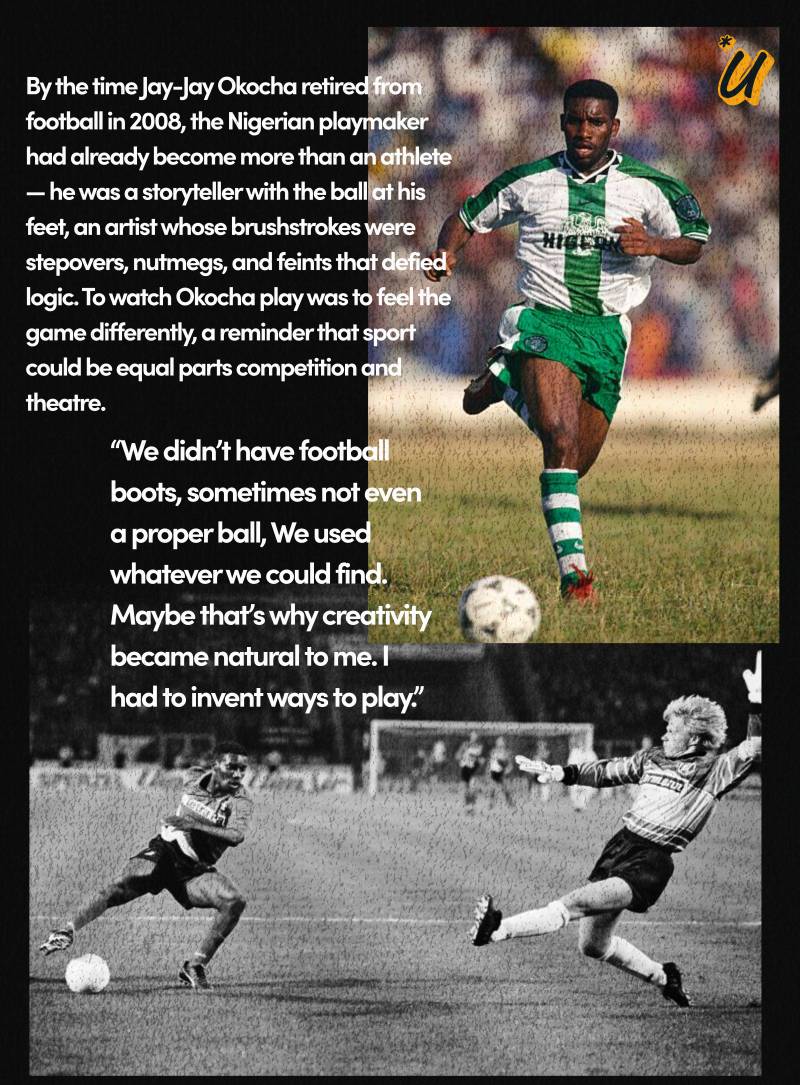
Reflecting on his remarkable path, Okocha detailed the difficult beginnings of his career, starting in 1990. He traveled to Germany on a visiting visa for trials at a third-division club, utilizing an opportunity originally meant for his senior brother, Ifeanyi. Initially, his contract was amateur, requiring him to work daily from 9 AM to 2 PM before training four times a week. His first professional contract in December 1991 was worth 5,000 Deutsch Marks (around $5,000), which he immediately saved. This financial prudence was born from an early realization that football is a short career with no pension, requiring players to become their "own government" upon retirement. Okocha, realizing the need to plan for the future in his early twenties (around age 23 or 24), adopted a strict investment strategy: contract money was reserved fully for investment, while match bonuses and endorsements covered living expenses and luxuries. His chosen avenue for securing generational wealth was property investment, avoiding high-risk ventures that he did not understand, stating, "if I buy a property, I can see my property". He also tackled the "black tax" by incorporating family support into his budget and making it clear that they had a "limited time" to utilize his assistance to become independent. He believed that helping 80% of his dependents become self-sufficient would alleviate future financial burdens upon his retirement.
Related article - Uphorial Radio
J.J Okocha, - The Money Lessons
Related article - Uphorial Sweatshirt
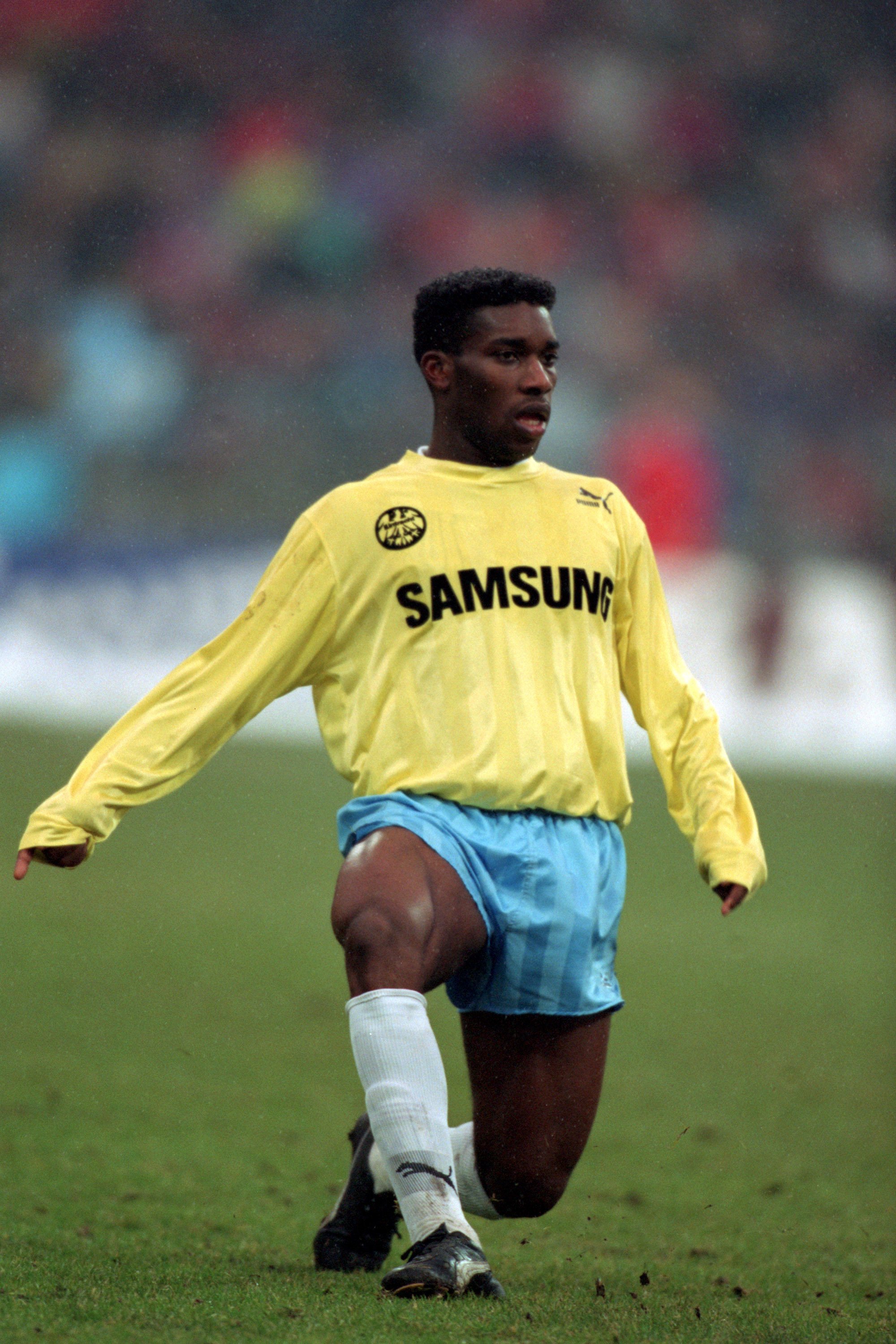
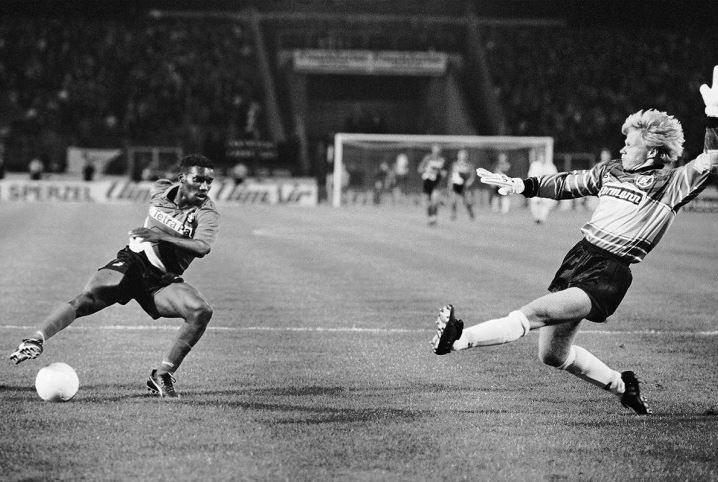
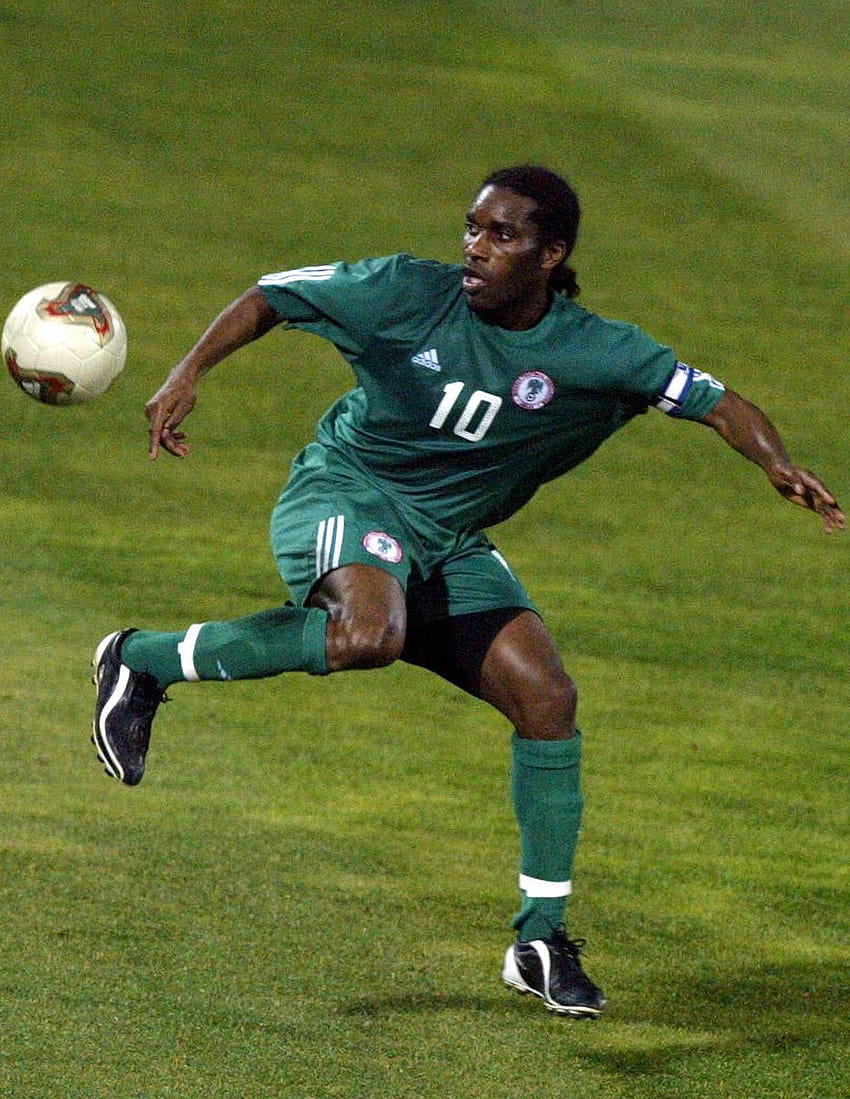
On the pitch, Okocha was determined to keep his identity, viewing himself as representing the continent. Although he had to adapt to the tactical discipline of European football, coaches recognized his "natural ability" and encouraged his flair in certain areas, especially when it resulted in winning matches. The midfield magician maintained that his greatest opponent was himself because when he possessed the ball, he was the "general," using rapid "scanning" to execute Plan A or Plan B instantaneously. While playing for Bolton Wanderers, a move he took as a free agent because they offered the "best offer" and satisfied his desire to play in the Premier League, he later rejected offers from top four clubs because he felt wanted at Bolton and embraced the challenge of helping them grow and achieve European football qualification.
Regarding career peaks and valleys, Okocha cited his relegation with Frankfurt in 1996 and the Super Eagles' failure to qualify for the 2006 World Cup as his lowest moments. His career highlight was winning the 1996 Atlanta Olympics gold, noting the unique prestige of being the first African team to achieve the feat. This success was hard-won, requiring players to collectively pay for accommodation and rent minivans after the Nigerian FA failed to pay for the team's camp and facilities, forcing them to eat the same rice and sauce for a week. Observing the current state of African football, Okocha lamented that the game is "losing our identity" and "flair" by trying to mimic predictable European play, noting that the increasing pressure on coaches for results discourages beautiful football. His proposed solution for improving African sports focuses on governance: "putting the right people in leadership in the right position," arguing that those who have been athletes are best suited to understand and lead sports federations. Ultimately, Okocha advises young people to believe in their dreams, understanding that the path to success is full of difficult "phases" which require discipline, sacrifice, and a willingness to "try" and "implement" their plans.