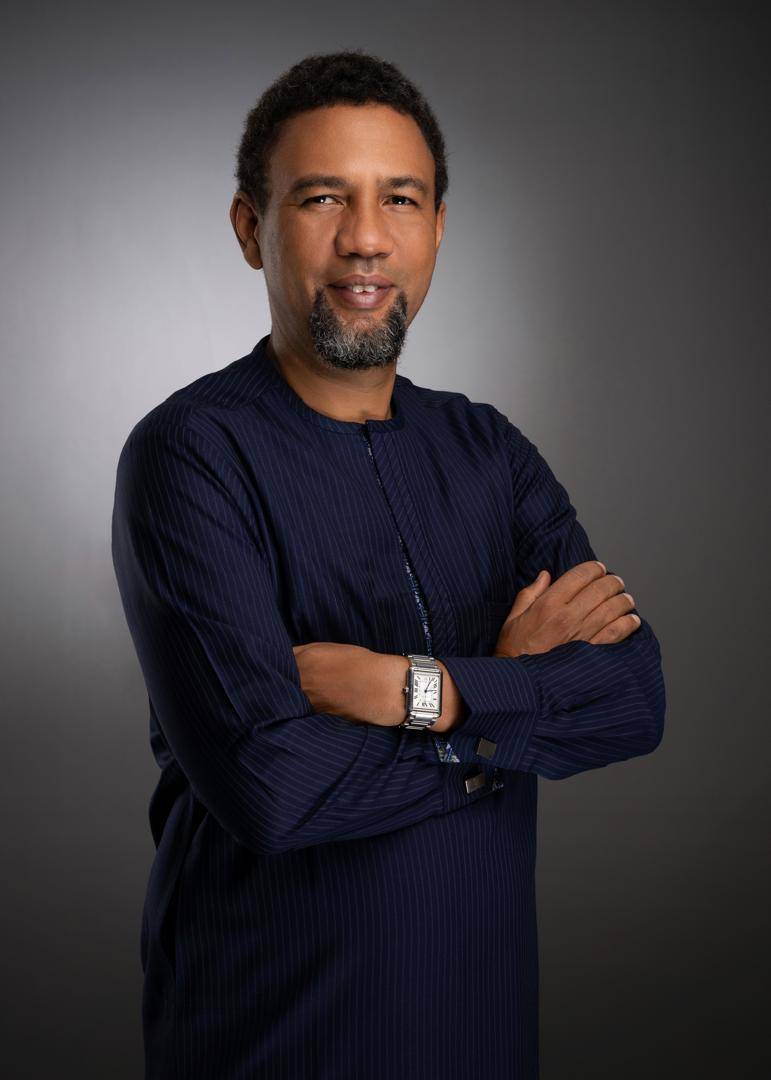
LAGOS — The Nigerian entertainment landscape, long celebrated for its cultural exports and the global explosion of Afrobeats, is currently facing a period of intense structural self-reflection. As the industry matures, the focus is shifting from the glamour of the stage to the grit of the boardroom. In a comprehensive analysis of the sector, Toby Mohammed, a partner at the prominent management and culture company The Plug, has provided a stark look at the "human-centric" infrastructure required to turn a creative boom into a sustainable economic engine. His insights suggest that while Nigerian talent is world-class, the business environment surrounding that talent is still grappling with systemic bottlenecks—most notably a critical shortage of physical infrastructure and a disconnect in fan engagement strategies.
At the forefront of the industry’s challenges is what Mohammed identifies as the "venue crisis." Despite the global demand for Nigerian music, the domestic market is being stifled by a lack of accessible, high-quality venues. He describes this as the single biggest missed opportunity in the Nigerian entertainment sector. Currently, major events are often relegated to converted event centers or makeshift spaces that lack the technical and logistical capacity of purpose-built arenas found in the US or UK. To solve this, Mohammed advocates for the development of "third spaces"—cultural hotspots designed specifically for performance and community gathering. Without these dedicated environments, the industry remains trapped in a cycle of high overhead costs and logistical chaos, preventing live entertainment from reaching its full commercial potential.
This infrastructure deficit is closely tied to how the industry perceives its audience. In recent years, there has been a noticeable trend toward high-priced, exclusive events that cater almost exclusively to the elite. Mohammed argues that this is a strategic error. He champions the "power of the masses," suggesting that the long-term health of an artist's career depends on the average consumer. By prioritizing affordability and accessibility, the industry can tap into the massive middle-market demographic that forms the true backbone of a sustainable fanbase. Focusing on the "VVIP" culture may offer quick returns, but it fails to build the kind of grassroots loyalty that sustains an artist through the inevitable ebbs and flows of a multi-decade career.

Related article - Uphorial Shopify

The volatility of talent management remains another significant hurdle. According to Mohammed, the management side of the business is frequently undermined by a "mentality problem" among emerging stars. Many artists struggle not because of a lack of talent, but because they surround themselves with voices that offer no substance or strategic value. Navigating this requires a unique blend of compassion, patience, and humility. He emphasizes that building a career is a marathon, not a sprint, and successful management must act as a stabilizing force in an environment that is often high-pressure and reactionary. This human element—treating people with grace while maintaining professional boundaries—is, in his view, the true foundation of success in an industry known for its ego-driven conflicts.

To move toward a more formalized economy, Mohammed argues that the Nigerian entertainment sector must embrace data-driven decision-making and stricter control over revenue streams. He looks to established global models as a template for how the industry should evolve. Currently, much of the revenue in the local scene remains opaque or difficult to track. By implementing better data collection and formalizing equity and partnerships, stakeholders can ensure that growth is quantifiable and fair. For The Plug, success has been found by treating their work as a service channel for brands, building equity through collaborations that go beyond simple endorsements to create genuine, long-term brand value.
A particularly poignant observation in the current market involves a comparison between the Afrobeats and Amapiano scenes. Mohammed encourages Nigerian artists to observe the Amapiano movement coming out of South Africa. He notes that Amapiano artists and their teams are often perceived as being easier to work with and less prone to the "stress-heavy" demands that have characterized some top-tier Afrobeats acts. This ease of collaboration has translated into a highly successful ticket-selling model, proving that humility and professional reliability are just as important as the music itself when it comes to capturing market share.
Ultimately, the future of Nigerian entertainment rests on the industry’s ability to move past "logistical chaos" and toward a more structured, human-centric model. Mohammed’s personal anecdotes about managing the high-pressure demands of the sector serve as a reminder that behind every global hit is a complex web of logistical maneuvering and relationship management. Success in this challenging market is not just about who has the best song, but who has the persistence and the infrastructure to deliver that song to the masses reliably. As the industry looks toward 2027 and beyond, the focus will undoubtedly remain on building the venues, the data systems, and the professional mentalities necessary to support the "African giant" that is its creative talent.