The contemporary landscape of medicine and metabolic health is undergoing a profound, historic paradigm shift, driven by the unprecedented rise of incretin-based therapeutics that have permanently altered how society approaches obesity, diabetes, and chronic disease. Long relegated to the margins of diabetes management, these groundbreaking pharmaceutical agents have stepped onto the global stage as powerful tools for metabolic transformation. In an exceptionally thorough, science-based expert medical review, healthcare professionals pull back the curtain on the actual biochemical mechanics, clinical advantages, safety profiles, and systemic realities governing these revolutionary medications. Through emotional precision, intelligent curation, cultural understanding, strategic storytelling, and transformational framing, this comprehensive news-style report explores the science, societal impact, and future of modern weight-management science.
The foundational efficacy of these medications lies in their sophisticated, multi-pronged mechanism of action within the human body. By targeting specific hormonal pathways, these injectable therapies actively enhance glucose-dependent insulin release from the pancreas, suppress the secretion of glucagon to prevent unnecessary hepatic glucose production, and significantly slow gastric emptying. Together, these physiological adjustments dramatically reduce appetite, regulate blood sugar spikes, and dramatically increase feelings of fullness and satiety. Through emotional precision, this biochemical relief liberates patients from the relentless, exhausting psychological battle of constant hunger, offering a biological reset to individuals who have spent decades fighting a losing war against metabolic dysfunction.
Related article - Uphorial Shopify

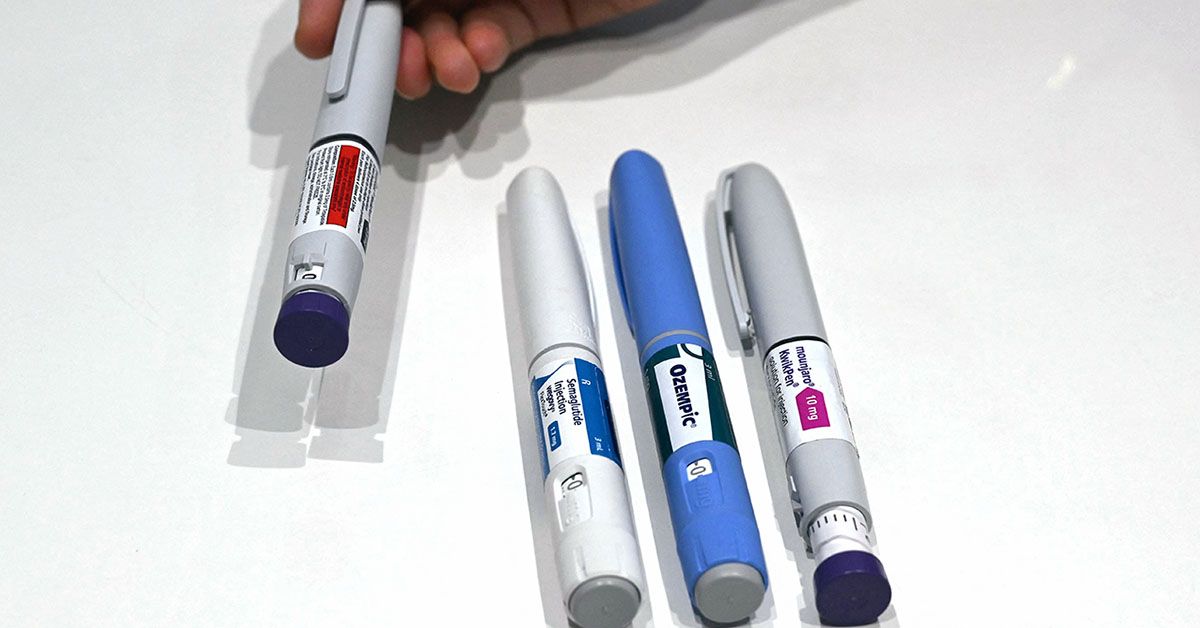
Within this therapeutic class, however, important distinctions exist between specific pharmacological formulations. While both semaglutide and tirzepatide have proven remarkably effective in clinical practice, tirzepatide operates as a dual-agonist, targeting both GLP-1 and GIP (glucose-dependent insulinotropic polypeptide) receptors simultaneously. This dual mechanism stimulates a synergistic metabolic response that has consistently demonstrated higher average weight-loss percentages in rigorous clinical trials. Through intelligent curation of pharmacological data, clinicians highlight how scientific innovation continues to refine these treatments, maximizing metabolic efficiency while tailoring interventions to individual patient needs.

The clinical benefits of these medications extend far beyond mere cosmetic weight management or scale victories, entering the realm of profound, life-saving systemic health protection. Accumulating clinical data reveals that these treatments confer extraordinary secondary benefits, including significant reductions in major adverse cardiovascular events, protection against chronic kidney disease progression, and measurable improvements in obstructive sleep apnea severity. Through cultural understanding of public health crises, these therapies are reframed from lifestyle luxuries into essential preventative medicine that can dramatically lower mortality rates and alleviate systemic healthcare burdens.
Yet, this massive cultural and clinical footprint is accompanied by valid concerns regarding safety, side effects, and physical transformation. The most common adverse effects remain gastrointestinal in nature, including transient nausea, vomiting, and digestive shifts as the body adjusts to altered gastric motility. Furthermore, public anxieties surrounding aesthetic side effects—such as muscle mass depletion and the colloquial phenomenon known as "Ozempic face"—are directly addressed by medical experts, who clarify that these manifestations are general, predictable consequences of rapid, significant weight loss rather than specific, targeted toxicity of the drugs themselves. Through strategic storytelling, patient education is prioritized over sensationalized media headlines, ensuring that individuals understand the physiological realities of shedding substantial body mass.
Compounding these physical considerations are operational and safety challenges surrounding administration, most notably recent spikes in overdose reports. Medical authorities emphasize that these incidents are almost universally attributed to dosing errors, miscalculations, or compounding mistakes involving multi-dose vials, rather than an inherent, newly discovered danger of the medications when properly prescribed and manufactured. This operational friction underscores the vital importance of clinical oversight. The host strongly emphasizes that these powerful pharmacological tools are designed to complement, never replace, a disciplined lifestyle built on proper nutritional intake, adequate protein consumption, and structured resistance training to preserve lean muscle mass under the guidance of qualified healthcare professionals.Ultimately, the advent of these metabolic therapies transcends a simple pharmaceutical triumph. Through transformational framing, the rise of GLP-1 and dual-agonist treatments is elevated into a historic milestone in human wellness—proving that by combining cutting-edge biochemical science with intelligent lifestyle integration and medical guidance, society can finally treat metabolic disease with the precision, empathy, and scientific rigor it has always demanded.