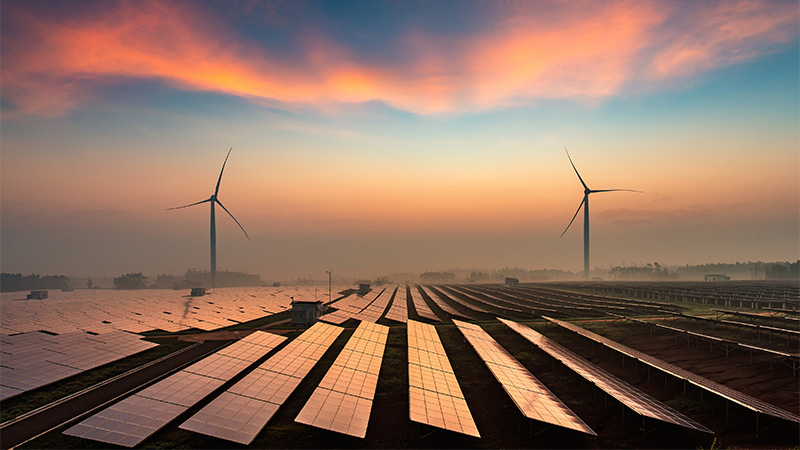
Morocco is rapidly positioning itself as a central protagonist in the global transition toward renewable energy, leveraging its unique geographical advantages to rewrite its economic future. Bathed in some of the world's most consistent sunlight and swept by powerful Atlantic winds, the kingdom is aggressively pivoting away from a historical dependence on fossil fuel imports toward a model of self-sufficiency and high-stakes exportation. This shift is not merely environmental; it is a calculated industrial revolution backed by massive international investment. One of the most ambitious manifestations of this vision is the XLinks project, which seeks to bypass traditional grids to deliver Moroccan wind and solar power directly to the United Kingdom via thousands of kilometers of subsea cables. This "energy bridge" exemplifies Morocco's potential to act as a green battery for Europe, though it also underscores the complexities of a nation balancing its own developmental needs with the lucrative demands of the global north.
Related article - Uphorial Shopify

Beyond direct electricity exports, the country is betting heavily on the "fuel of the future" by investing in green hydrogen and ammonia production. This strategy is particularly vital for industrial titans like OCP, the state-owned phosphate giant, which requires vast amounts of ammonia for fertilizer production. By decarbonizing this process, Morocco isn't just cleaning up its internal industries; it is securing a competitive edge in a global market increasingly dominated by carbon border taxes and green mandates. However, this industrial hunger for renewables brings a physical cost, specifically regarding the region's most precious and dwindling resource: water. The production of green hydrogen and the maintenance of massive solar arrays often necessitate large-scale desalination plants. This creates a delicate tension between the drive for clean energy and the immediate, basic need for drinking water in a region already grappling with chronic scarcity.
The human element of this transition remains the most debated frontier. While these multi-billion-dollar projects promise a surge in local employment and modern infrastructure, they also invite scrutiny over the "justness" of the transition. Critics and local communities have voiced concerns regarding "land grabbing," where vast tracts of communal or rural land are cordoned off for high-tech energy parks. There is a growing demand for a model that ensures the benefits of these projects—whether in the form of cheaper electricity, infrastructure, or sustainable jobs—trickle down to the people living in the shadow of these wind turbines and mirrors. As Morocco navigates this metamorphosis, the challenge lies in ensuring that its rise as a renewable powerhouse serves as a catalyst for domestic prosperity rather than functioning solely as a resource extraction point for the international market.