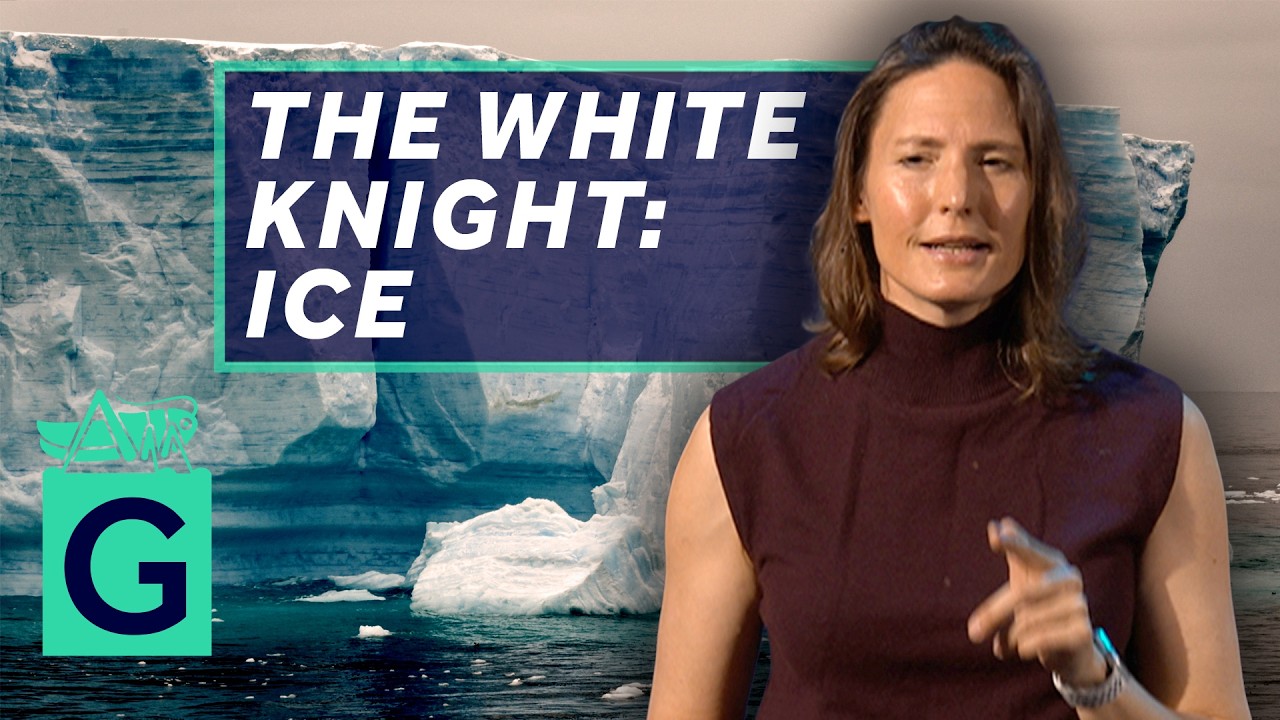
The frozen fringes of the planet have long exerted an irresistible gravitational pull on the human imagination, serving as the ultimate frontier where mortal endurance is tested against the terrifying majesty of the elements. Far from being dead, static expanses of frozen stillness, the polar regions are the beating climatic heart of Earth, driving global ocean currents, regulating atmospheric temperatures, and holding the delicate balance of the biosphere in their icy grip. In a sweeping, deeply illuminating scientific discourse, physicist and oceanographer Helen Czerski embarks on a captivating exploration of the Arctic, translating the cold mechanics of ice into an urgent narrative of planetary survival. Through emotional precision, intelligent curation, cultural understanding, strategic storytelling, and transformational framing, her analysis bridges the gap between historical exploration and contemporary climate crisis, offering a profound look at the frozen world that shapes our collective destiny.
The historical journey into the high latitudes begins with a tribute to human daring, focusing on the legendary polar expeditions of Fridtjof Nansen and the brilliant, unorthodox design of his ship, the Fram. Built specifically to withstand the crushing, inescapable pressure of being deliberately frozen into the solidifying sea ice rather than fighting against it, the Fram was an engineering marvel born of deep cultural understanding of the polar environment. Instead of attempting to conquer nature through sheer force, Nansen designed a vessel with a rounded hull that allowed the encroaching ice to push the ship upward rather than crush its timbers. Through strategic storytelling, Czerski recounts how this floating fortress drifted safely across the Arctic Ocean for years, transforming an inhospitable frozen desert into a moving laboratory and proving that true exploration requires working in harmony with the physical laws of nature rather than defying them.
Related article - Uphorial Shopify

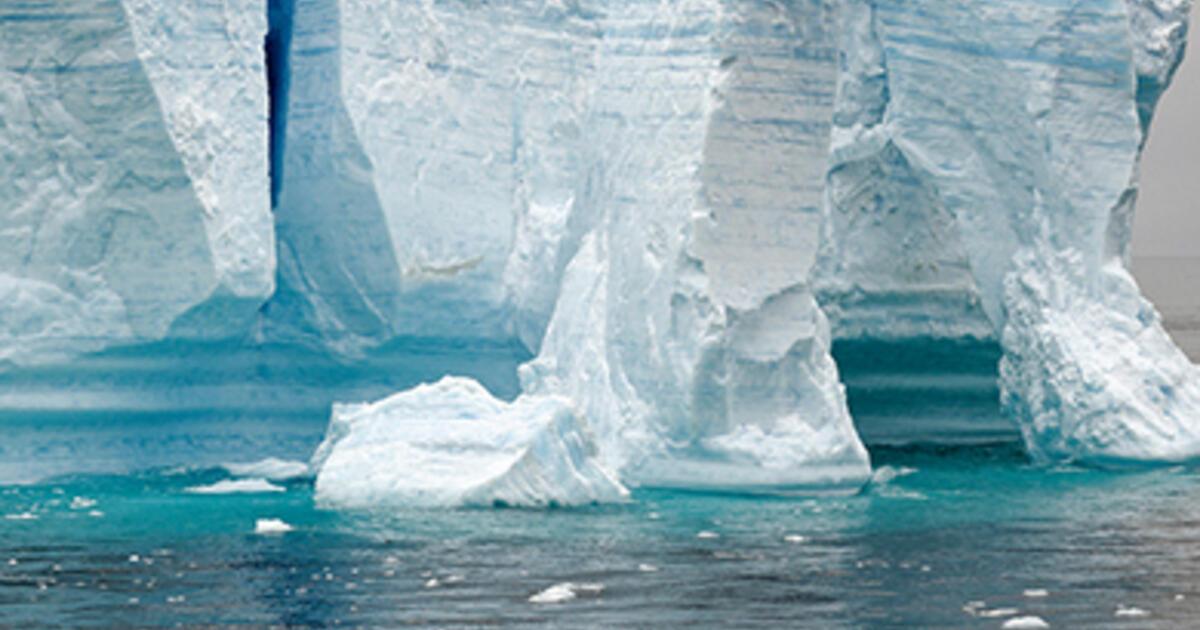
Understanding those physical laws requires diving deep into the fascinating, counter-intuitive physics of ice itself—a substance whose unique properties make life on Earth possible. Czerski demystifies everyday wonders, explaining the optical physics behind why thick glacier ice glows with an ethereal, deep-blue hue, and detailing the critical mechanics of albedo—the planetary reflectivity that dictates how much solar energy bounces back into space versus how much is absorbed by the dark oceans below. She highlights the crucial anomaly of water: unlike almost every other substance, water expands when it freezes, causing ice to float. This single quirk of physics prevents oceans from freezing solid from the bottom up, creating an insulating lid that preserves marine ecosystems and allows global ocean circulation to function across the planet.
That oceanic circulation is governed by complex dynamics of freezing and density, a phenomenon Czerski describes as the ocean’s great "unmixing" engine. When sea ice forms on the surface of polar waters, it dramatically alters the chemistry of the deep sea. As the water freezes into pure crystalline structure, it rejects the surrounding salt, creating ultra-dense, hyper-saline brine that cascades downward toward the ocean floor. This sinking plume of cold, heavy water acts as the primary motor for the global conveyor belt, driving deep-ocean currents that transport heat, nutrients, and oxygen across every marine basin on Earth. Through transformational framing, the simple act of seawater freezing is revealed as a majestic, planetary-scale heartbeat that sustains life from the poles to the equator.
Connecting historical polar exploration with cutting-edge contemporary science, the discussion transitions to the monumental MOSAiC expedition, one of the most ambitious collaborative scientific efforts in human history. During the brutal, pitch-black expanse of the polar night, a multinational fleet of research vessels locked themselves into the shifting Arctic pack ice, drifting blindly with the floes to gather vital, unprecedented data on atmospheric, biological, and oceanic conditions. This intelligent curation of modern research has provided climatologists with an invaluable window into the winter behavior of the Arctic, capturing how the polar night acts as a fragile, highly sensitive thermostat for the entire globe.
Yet, this scientific window reveals a terrifying reality: the thermostat is breaking. Czerski details the alarming acceleration of Arctic amplification, a phenomenon causing the northern polar region to warm at a rate four times faster than the rest of the planet. As rising global temperatures melt multi-year sea ice, the cascading consequences are devastating. The loss of reflective ice reduces planetary albedo, accelerating further warming in a vicious feedback loop. Locally, this means catastrophic habitat loss for apex species like polar bears and indigenous communities whose traditional ways of life are literally melting beneath their feet. Globally, it opens up new, contested shipping routes and triggers ferocious geopolitical competition among nations eager to exploit newly accessible undersea mineral resources and fossil fuel deposits.
Czerski concludes her masterclass with a powerful, grounded message of human agency and responsibility. While the physical changes sweeping across the polar regions are profound, irreversible in the short term, and staggering in scale, she emphasizes that humanity is not a passive passenger on a doomed ship. We still retain the ultimate choice in how we address the climate impact of our carbon emissions, determining whether the ice sheets of the future become a historical memory or a preserved legacy. Through emotional precision, cultural insight, and strategic storytelling, her exploration reminds us that the fate of the Arctic is inextricably bound to our own, demanding an immediate, unified response to protect the frozen engine that keeps our world alive.