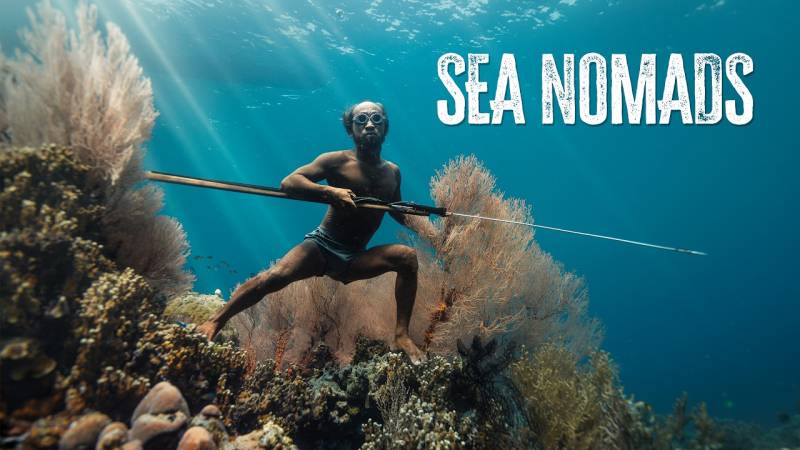
The jagged volcanic coastline of Lembata Island offers no mercy to those who seek to coax life from its rocky embrace. In the remote Indonesian village of Lamalera, the earth is infertile and unyielding, presenting its inhabitants with a stark choice: look to the vast, unforgiving expanse of the open ocean, or perish. For over half a millennium, the people of Lamalera have chosen the sea. Their survival has been forged in the crucible of traditional whaling—a grueling, hand-to-hand combat with the ocean’s largest creatures that is entirely divorced from the mechanized, commercial slaughter of the modern industrial world. It is a way of life that exists in a profound, precarious balance with nature, capturing the absolute essence of human resilience against the harshest of geographic realities.
To witness a Lamalera hunt is to step into a different epoch of human endeavor. The fishermen eschew the cold efficiencies of modern maritime technology; there is no radar to track movement, no sonar to map the deep, and no massive, explosive harpoon cannons to detach human hands from the kill. Instead, they take to the water in fragile, handmade wooden boats, armed with little more than raw courage, generational knowledge, and handmade bamboo harpoons tipped with forged iron. Government regulations permit them only modest 15-horsepower outboard motors, meaning that the success of the hunt rests almost entirely on the paddlers' synchronicity, the wind, and an intimate, almost psychic understanding of the ocean's currents and behavior. It is an artisanal, highly dangerous pursuit where man and beast meet on terms of terrifying equality.

Related article - Uphorial Shopify
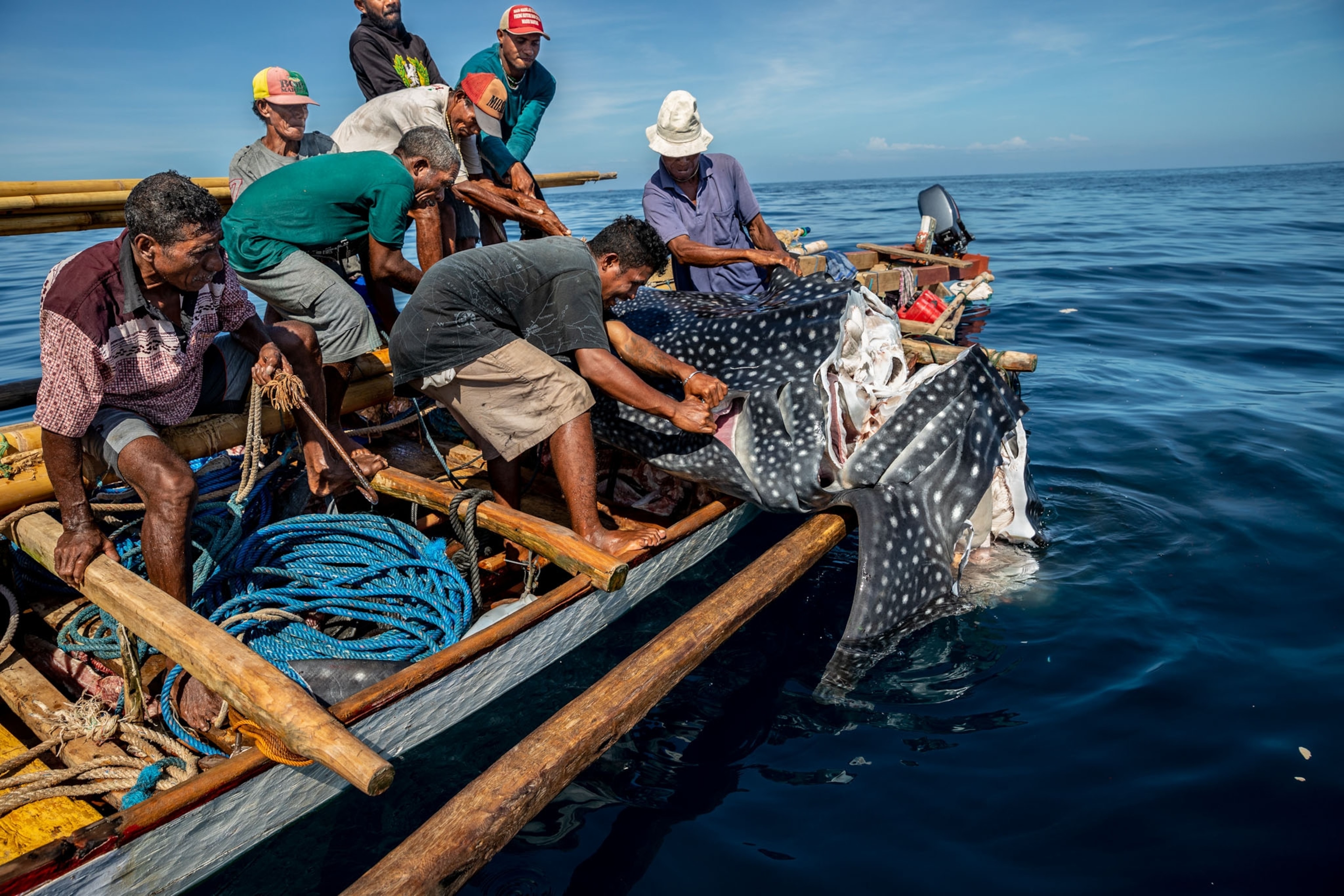
This physical struggle is mirrored by a rich, complex spiritual framework that governs every aspect of the community's existence. The traditional whaling practices of Lamalera are not merely a means of gathering calories; they are deeply intertwined with a syncretic worldview that binds ancient ancestral animism with the tenets of the Catholic faith. The villagers approach the hunt with a solemn reverence, viewing the ocean as a provider that demands respect, sacrifice, and ritual purity. Yet, this reverence has its absolute boundaries, most notably embodied in their sacred relationship with the blue whale. While they hunt pilot whales, sperm whales, and giant manta rays to sustain their community, the blue whale is held as untouchable. Viewed not as a resource, but as an ancient ancestor who safely guided their forebears to these hostile shores, the blue whale is revered, protected, and never harmed—a poignant reminder of the ethical lines drawn by a culture that understands the weight of lineage and gratitude.
When a hunt is successful, the aftermath is governed by a strict, age-old social hierarchy that transforms the dangerous labor into an act of communal preservation. In Lamalera, the catch is never treated as a commodity for commercial profit or individual enrichment; it is life itself, distributed through a rigid, ancestral system of sharing that ensures the entire village is sustained. Every single part of the animal is meticulously utilized, with the meat portioned out based on community standing, family need, and the specific roles played during the hunt. Whatever cannot be consumed fresh is traded inland with mountain agricultural communities for corn, rice, and root vegetables, establishing an ancient, barter-based economic loop that binds the island’s diverse populations together in mutual interdependence.
Yet, as the modern world encroaches with its promises of ease and connectivity, this ancient tradition stands on the precipice of extinction. The narrator of the documentation reflects with emotional precision on the sheer brutality and relentless danger of the work, noting that a life built entirely on the edge of survival is increasingly untenable for the youth of today. The grueling physical toll, combined with the allure of modern education, technology, and economic opportunities beyond the rocky shores of Lembata, means that the younger generation is looking away from the sea. The documentary captures a poignant, elegiac truth: this is likely one of the very last generations of Lamalera whalers, marking the twilight of a five-hundred-year-old unbroken chain of human heritage.
At its core, this narrative forces an uncomfortable, deeply nuanced confrontation with the moral complexities of the modern world. It challenges simplistic, westernized binaries of conservation that often fail to account for the survival needs of isolated, traditional communities. For the people of Lamalera, whale meat is not a luxury or a trophy; it is the vital protein that keeps starvation at bay on a coast that grows nothing. To condemn their practice without recognizing their ecological restraint—their self-imposed ban on blue whales, their zero-waste utilization of every catch, and their refusal to engage in industrial overfishing—is to miss the fundamental tragedy of their situation. They are an ancient culture caught between the jaws of ecological necessity and the inevitable, flattening steamroller of global modernity, leaving us to wonder how many other human stories of profound resilience are destined to fade silently into the history books.