DRM News has brought to light a significant diplomatic discourse where the leaders of Zimbabwe, Sierra Leone, and Botswana challenge traditional global power dynamics by asserting a new era of African sovereignty. President Emmerson Mnangagwa of Zimbabwe characterized his nation as a sovereign state that prioritizes results for its own people over the desire to please foreign powers, whether from the East or the West. While acknowledging historical ties to the West, Mnangagwa noted that Zimbabwe has benefited significantly from evolving cooperation and investment with China. This sentiment of self-determined partnership was reinforced by President Mokg竖eetsi Masisi of Botswana, who explained that despite a long-standing "special relationship" with Western powers, Botswana now engages with China on terms defined by its own national interests. Masisi emphasized that African nations are now equal negotiators who sit at the table to match international offerings against their specific developmental needs.
The continent's demographic surge was identified as a primary pillar of its future global influence, with President Julius Maada Bio of Sierra Leone describing Africa’s high birth rate as a fundamental strength that ensures sustainability and prevents gaps in the development process. Bio’s administration has responded to this growth by implementing free primary and secondary education, viewing it as essential "navigation equipment" for a complex, digital-first world. President Masisi further asserted that with a median age of 19.3, Africa is "poised to rule the world," provided that innovation is internalized and used to serve humanity rather than a "predatory elite". He urged young Africans to remain rooted in their home countries while spreading their influence globally as "digital natives".

Related article - Uphorial Shopify

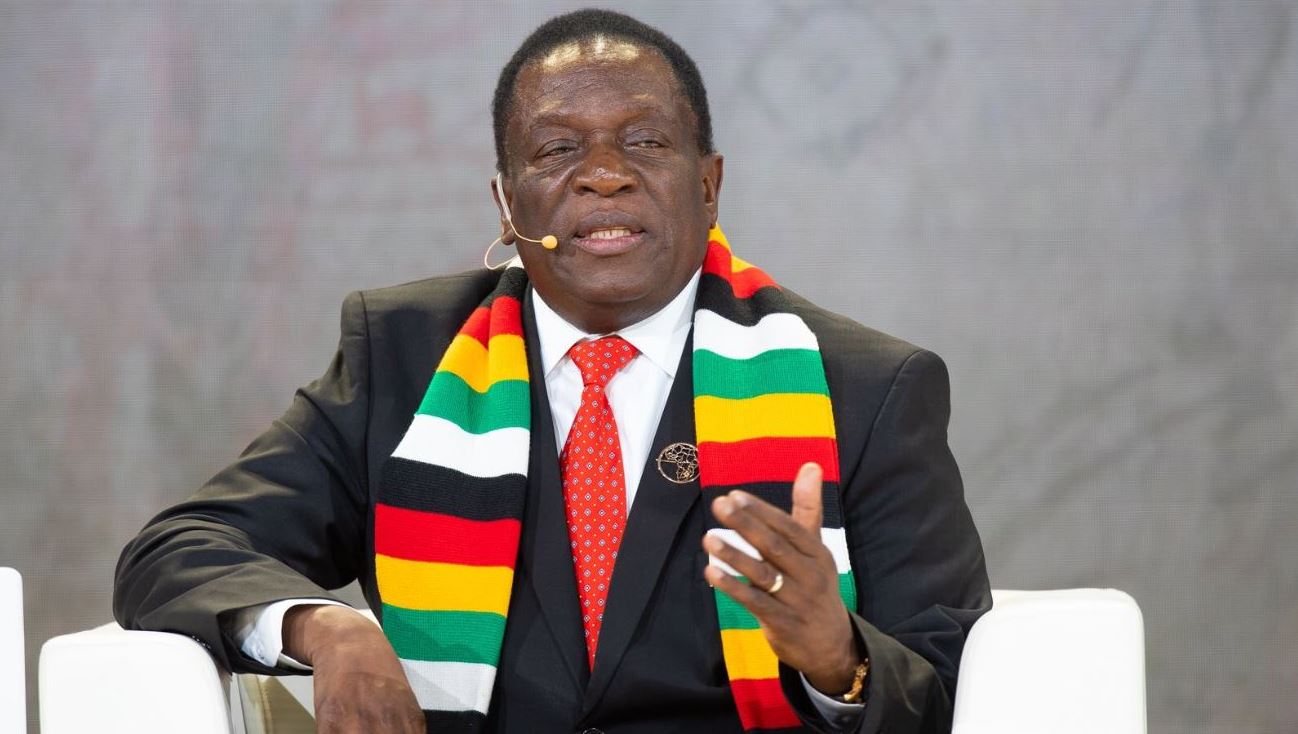
The discussion also addressed the controversial history of land reform and international sanctions in Zimbabwe, with President Mnangagwa defending the seizure of land as a necessary assertion of independence. He maintained that land belongs to the people of Zimbabwe rather than any specific race and noted that despite decades of British-led sanctions, the country has successfully developed on its own. This spirit of independence coincides with a broader skepticism regarding the current global state of democracy. President Bio observed that the world is in a "state of flux," noting that Western nations which once championed democratic ideals no longer seem as committed to them. Despite these global "reverses," Bio reaffirmed Sierra Leone’s commitment to liberal democracy as the best existing method for observing human rights and liberties.
Deep concern was expressed regarding the perceived fragmentation of the rules-based international order. Discussing recent political upheavals, President Bio admitted to being "stunned" by how the foundations of international stability appear to be destroying themselves in real-time. President Masisi offered a stinging critique of the current status quo, stating that international rules now seem to matter very little and are often applied selectively depending on who is "wielding the stick". He concluded that true international law must respect the territorial integrity and self-determination of every nation, describing external intrusion into the affairs of sovereign states as an "affront" to a fair world order. Together, these leaders presented a vision of an African continent that is no longer a passive recipient of foreign policy but an active, self-interested player on the world stage.