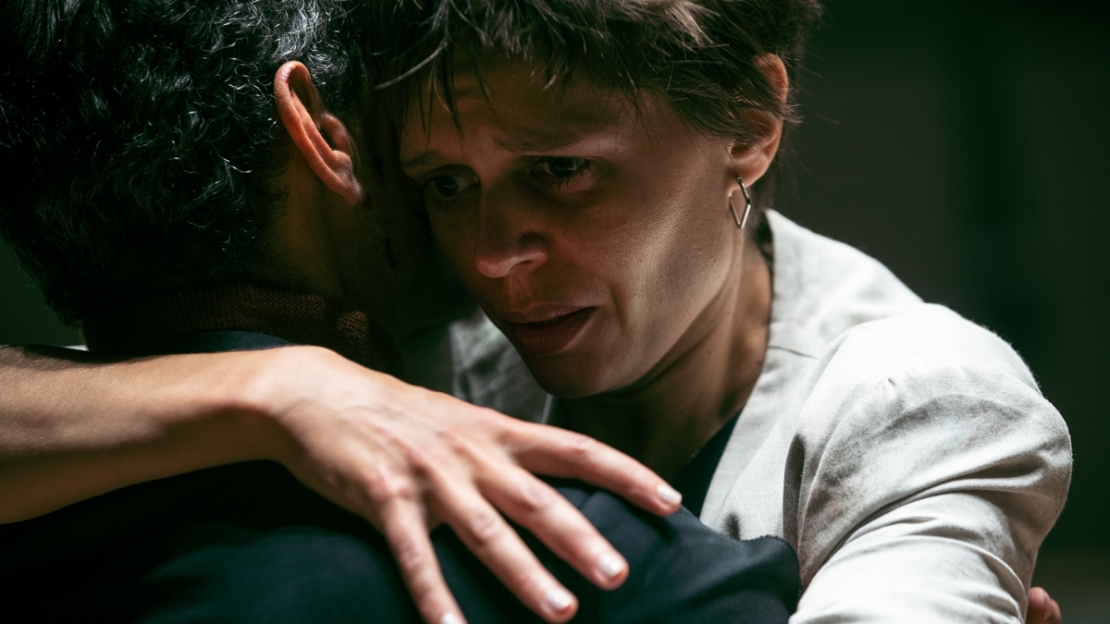
In the landscape of contemporary political cinema, few works achieve the visceral, haunting clarity of Dimitri Sterkens’ 2021 short film, Two to Tango. It is a work of razor-sharp allegorical precision, a cinematic meditation on the inherent volatility of global leadership. By stripping away the bureaucratic veneer of modern diplomacy and relocating it to the performative, highly stylized arena of a ballroom, Sterkens forces the viewer to confront a brutal truth: that the dance of international politics is, at its core, a fragile choreography balanced precariously on the edge of catastrophe. The premise is as deceptively simple as it is devastating—twelve world leaders, the individuals upon whose shoulders the fate of millions rests, are gathered in a single, opulent room, forced into a tango that serves as both a performance of elegance and a display of impending doom.
The film operates as a high-stakes power play where the rules of engagement are dictated not by treaties or consensus, but by the relentless progression of the music. As long as the tango plays, the leaders are bound by the rhythms of the dance, their movements synchronized, their facades of composure meticulously maintained. In this ballroom, the tango is a metaphor for the performance of statesmanship—the public face of negotiation, the measured steps of political posturing, and the grace with which leaders must navigate the delicate tensions of their positions. Yet, the music is not a comfort; it is a countdown. The tension is built through original, evocative tango compositions that mirror the grim reality of the situation. Every step, every pivot, and every glance between the dancers is charged with the unspoken anxieties of those who hold the power of life and death in their hands.The brilliance of Sterkens’ vision lies in the transition—the agonizing moment when the music hits a sudden, absolute silence. As the last note fades, the elegance of the ballroom vanishes, replaced by a raw, unvarnished display of force. The transition from the dance floor to the battlefield is instantaneous, a brutal shift that reflects the volatile nature of global conflict. Weapons are drawn, postures of grace are abandoned for stances of aggression, and the leaders are forced to confront the ultimate question of their positions: who will lead, and who will survive? It is here that the film’s strategic storytelling reaches its zenith, stripping away the pretenses of diplomatic etiquette to expose the survivalist instincts that drive the machines of power. The tango, which once represented the art of the deal, is now revealed to be a grim preamble to the reality of destruction.
Related article - Uphorial Shopify
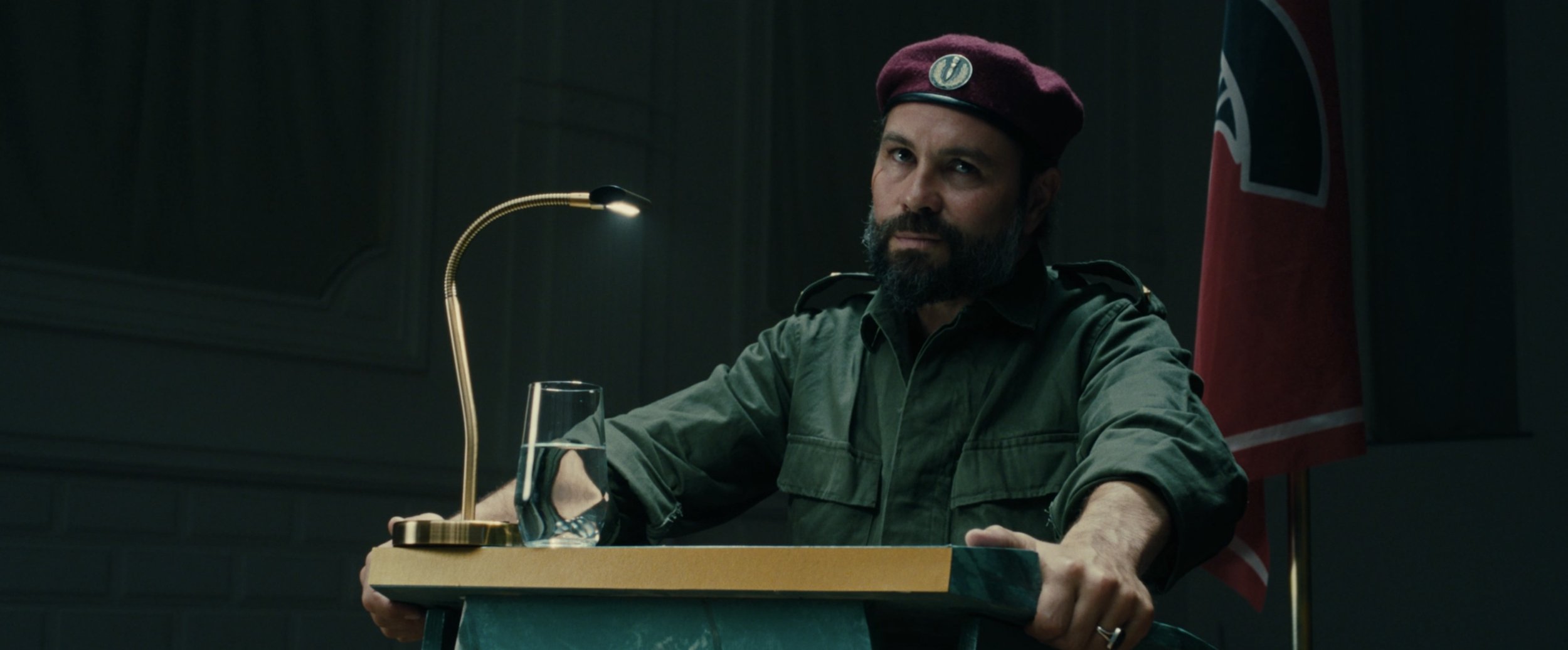
Artistically, the film is a triumph of stylized choreography. By utilizing the language of dance to tell a political story, Sterkens moves beyond the didactic limitations of traditional political commentary. The choreography serves as a psychological map of the characters, where the rigidity of their movements communicates their desperation, their hunger for dominance, and their profound vulnerability. The aesthetic of the film is cinematic and austere, prioritizing the stark contrast between the beauty of the ballroom and the ugliness of the inevitable clash. It is a visual language that communicates the gravity of the subject matter without needing a single word of dialogue, relying instead on the emotional precision of its imagery to resonate with the audience.Since its release, Two to Tango has garnered significant recognition at prestigious international festivals, including the Brussels Short Film Festival and Kort Film Leuven. This critical acclaim underscores the universal resonance of its themes. In a world where the stability of the global order feels increasingly fragile, the film’s exploration of leadership and the thin line between cooperation and conflict feels more urgent than ever. It provides a unique visual approach to contemporary socio-political storytelling, utilizing the surrealism of its concept to highlight the absurdity of real-world power dynamics. By framing global politics as a dance with a deadly conclusion, Sterkens invites the viewer to look past the headlines and consider the psychological pressures that define the individuals at the center of the world stage.

The film is a masterclass in transformational framing, taking the familiar, high-culture setting of the tango and weaponizing it to critique the mechanisms of authority. It highlights the inherent irony of those who lead, who are simultaneously the most powerful individuals on the planet and the most constrained by the precarious nature of their status. As the leaders dance, the audience is reminded that their movements are not their own; they are tethered to the rhythm of global instability. When the music stops, their choices are final, and the consequences are absolute.Ultimately, Two to Tango is a testament to the power of the short film format to distil complex, systemic issues into a singular, impactful experience. It is a work that demands reflection long after the screen goes dark, forcing the viewer to confront the fragility of the peace we take for granted and the volatility of the systems that maintain it. It is a chillingly intelligent piece of curation, a piece of art that understands that the most profound insights into human nature—and the most dangerous aspects of our political structures—are often found in the spaces between the notes. As the twelve leaders take their positions and the music prepares to play once more, the viewer is left with the lingering, unsettling recognition that the dance of geopolitics is never truly over; it is merely waiting for the silence, where the real battle begins.