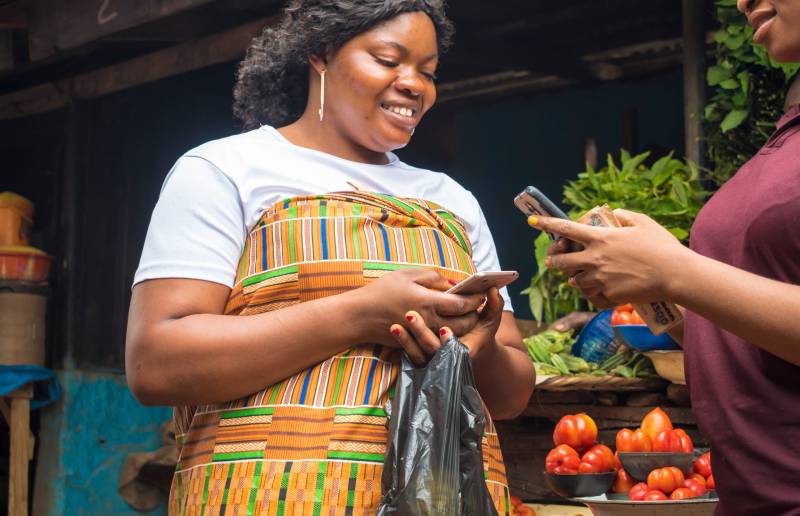
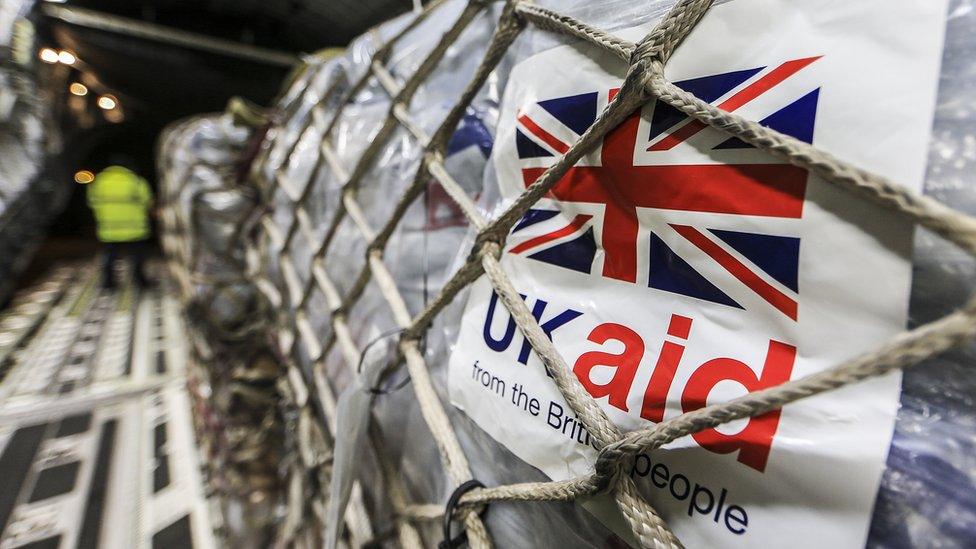
When the United Kingdom announced a drastic reduction in its foreign aid budget, the news sent ripples across continents—but none felt those ripples more deeply than Africa. The UK’s decision to slash its foreign aid by billions of pounds has reignited urgent conversations about the fragile nature of international support systems and the complex dynamics between donor nations and the developing world. But beneath the headlines and numbers lies a deeper story—one of historical ties, economic realities, and the evolving future of African development. For decades, the UK’s foreign aid has been a cornerstone in funding critical projects across Africa, from healthcare and education to infrastructure and crisis relief.
British aid has not only injected much-needed capital but also symbolized a lingering connection shaped by history, responsibility, and global partnership. Yet, with the UK government’s recent announcement to reduce its foreign aid spending to below the internationally agreed 0.7% of GDP, many African nations face a jarring new reality. This cut, driven by Britain’s domestic economic pressures and changing foreign policy priorities, threatens to stall progress on vital development goals.
Related article - Uphorial Podcast
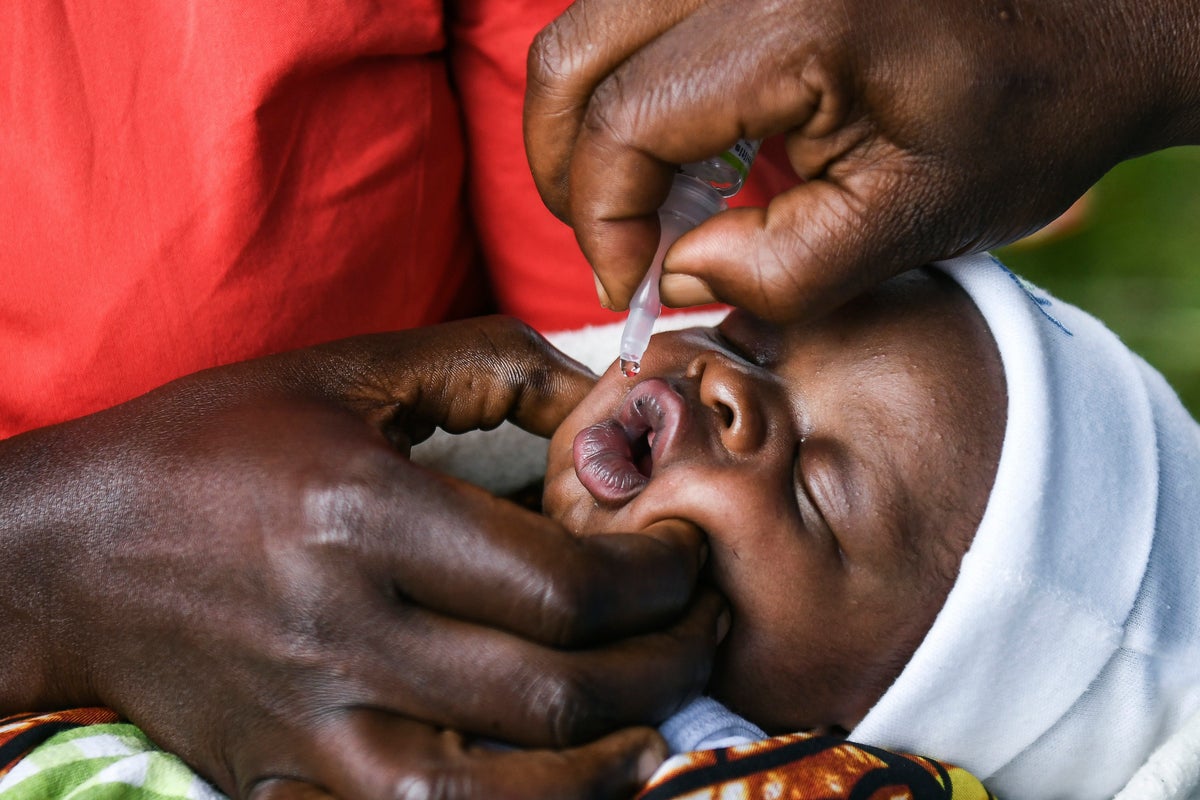
But the impact goes beyond just numbers on a spreadsheet or interrupted programs. The UK’s aid cuts highlight a broader narrative of dependence and resilience, power imbalances, and the urgent need for Africa to forge new paths to self-sufficiency. It raises uncomfortable questions about the sustainability of development models that hinge on external funding—and about the lingering shadows of colonialism and aid diplomacy that still shape relations today. The decision reverberates most profoundly in countries where British aid has been a lifeline in times of crisis. Nations grappling with poverty, conflict, health emergencies, and climate challenges now face the daunting prospect of filling gaps left by a retreating benefactor. Hospitals that relied on aid to provide vaccines, schools funded by British grants, and humanitarian programs aimed at displaced populations risk being left vulnerable. The consequences could slow the momentum of Africa’s strides towards achieving the UN Sustainable Development Goals.
However, this moment of disruption also underscores the resilience and ingenuity inherent in African societies. Across the continent, leaders, innovators, and communities are increasingly pushing for homegrown solutions and diversified partnerships. Economic growth in several African countries, though uneven, offers a foundation to rethink development beyond aid dependency. Initiatives such as the African Continental Free Trade Area (AfCFTA) demonstrate a collective ambition to boost intra-African trade and build economic autonomy. The aid cut, while painful, serves as a catalyst for deeper reflection on what true partnership and empowerment mean. The UK’s move also sheds light on the shifting geopolitics of global aid. As emerging powers like China and the Gulf states expand their influence in Africa through infrastructure investments and strategic alliances, the traditional aid landscape is evolving. For African nations, this diversification presents both opportunities and risks, challenging them to balance partnerships while safeguarding their sovereignty and development priorities.
Yet, perhaps the most poignant lesson lies in aid itself. Aid is often heralded as an act of charity or diplomacy, but its effectiveness depends on genuine collaboration, respect, and a shared vision for the future. The UK's aid reduction reveals the precariousness of relying on external generosity, subject to political whims and economic fluctuations abroad. It’s a wake-up call for a new era of African leadership that centers on local expertise, accountability, and sustainable financing models. Ultimately, the UK’s aid cuts are not just a policy shift; they are a narrative turning point. They compel us to reckon with the legacy of aid, the complexities of international relations, and the evolving aspirations of a continent on the rise. While the immediate future may bring challenges and uncertainty, it also opens space for Africa to redefine its development story on its terms—resilient, resourceful, and ready to lead. This isn’t merely about lost pounds or dollars—it’s about reimagining the future of a continent whose story is still being written.