LAGOS - The modern bureaucratic waiting room is a peculiar, high-stakes theater where human desperation collides with absolute authority, stripping away pretense and reducing every visitor—regardless of their social standing—to a nervous petitioner seeking passage across borders. Within the satirical, sharply observed universe of the hit series Visa On Arrival, this universal truth is magnified into a brilliant comedic and social commentary on power dynamics, celebrity ego, and institutional rigidity. In an uproarious yet deeply revealing episode, viewers are plunged straight into the suffocatingly chaotic atmosphere of a government visa application office, where overworked, unrelenting staff members navigate a minefield of high-profile applicants, fragile egos, and simmering internal office politics. Through emotional precision, intelligent curation, cultural understanding, strategic storytelling, and transformational framing, the episode serves as a biting mirror reflecting the absurdities of modern status culture.
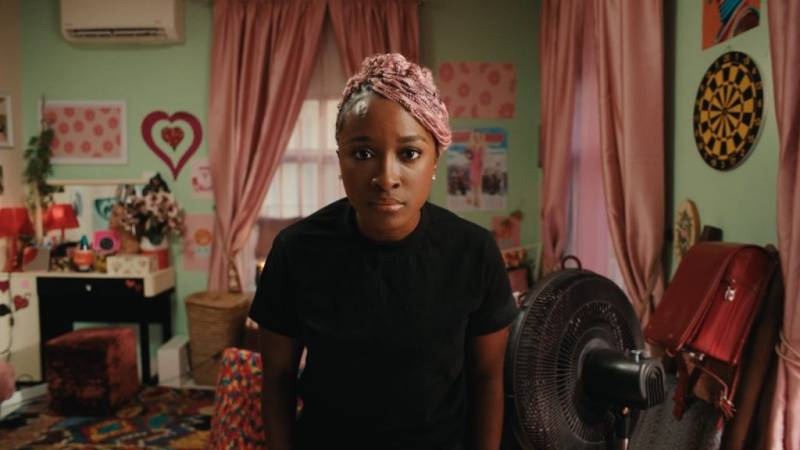
At the epicenter of this bureaucratic fortress stands Officer Charity, a formidable guardian of the gates whose demeanor is defined by unyielding strictness and a deeply ingrained, unapologetic skepticism of the famous. Charity operates with a razor-sharp, judgmental eye, refusing to be swayed by flashing camera lights or cultural clout. Throughout the episode, she engages in delicious, high-tension clashes with a parade of Nigerian pop-culture royalty, including hitmaker Maliki, charismatic rapper Dremo, and acclaimed screen actor Kunle Remi. With surgical precision, Charity routinely challenges their professional integrity, scrutinizes their life choices, and interrogates their travel justifications, treating their celebrity status not as a VIP pass, but as probable cause for intense suspicion—frequently culminating in the most dreaded bureaucratic hammer blow: a flat-out visa denial.

Related article - Uphorial Shopify

Related article - Uphorial Shopify

While Charity relishes her position as the moral and procedural gatekeeper, her colleagues experience the harsher, more volatile side of public desperation. Officer Francis finds himself trapped in a spiraling vortex of genuine fear and anxiety after a rejected, furious applicant delivers a thinly veiled, ominous threat to "show him love" outside the office gates. Terrified of facing retribution in the unforgiving streets, Francis stumbles through a comically awkward, desperate attempt to secure physical protection and emotional support from his battle-worn colleagues, including the fiercely pragmatic Flora. His panic highlights the fragile human vulnerability hidden beneath government uniforms, exposing the stark contrast between wielding power behind a secure desk and facing accountability in the real world.
That vulnerability is further compounded by the simmering, continuous power struggles and ideological clashes defining the office's internal staff dynamics. Flora and Charity remain locked in a perpetual philosophical war over professional standards, ethical boundaries, and the proper protocol for handling high-net-worth VIP applicants. Caught permanently in the crossfire of this toxic professional marriage is Francis, who serves as the office's ultimate punching bag, clumsily trying to appease both sides while desperately attempting to survive his shift unscathed. Through strategic storytelling, the episode captures the petty workplace politics and ideological friction familiar to any corporate or government office, humanizing the bureaucrats even as they inflict administrative misery on others.
The consequences of this rigid institutional intolerance are laid bare when Dremo steps up to the interview window, only to suffer a hilariously swift and absolute downfall. Eager to project a carefully curated image, Dremo attempts to bend the truth during his interrogation, but is instantly caught in a blatantly fabricated lie regarding his social media habits—specifically his use of Snapchat. The staff, possessing a zero-tolerance policy for dishonesty and an uncanny radar for celebrity deceit, pounces on the discrepancy with ruthless efficiency, resulting in an immediate visa denial that serves as poetic justice for his hubris.Ultimately, this unforgettable episode of Visa On Arrival transcends simple sketch comedy, offering a transformational framing of modern socio-cultural hierarchy. By juxtaposing the inflated egos of celebrity culture against the petty, unyielding power of low-level government gatekeepers, the show delivers a sharp cultural critique. It reminds viewers that in the grand theater of bureaucracy, titles and gold chains mean nothing when you are standing on the wrong side of the stamp.