The modern cultural landscape operates under an unyielding tyranny of metrics, algorithms, and market forecasts, dictating that art must be optimized for mass consumption before it is even born. Yet, standing completely apart from this industrial assembly line is Rick Rubin, a legendary sonic architect whose minimalist philosophy and radical reverence for intuition have shaped the sound of modern music for decades. In an exceptionally profound, masterclass-level philosophical exploration, Rubin pulls back the curtain on the sacred mechanics of creation, stripping away the corporate noise to reveal what it truly means to make something authentic. Through emotional precision, intelligent curation, cultural understanding, strategic storytelling, and transformational framing, this comprehensive news-style report examines the timeless wisdom, unconventional methodologies, and deep spiritual alignment of a modern creative sage.
At the very heart of Rubin’s methodology is what he boldly terms the "Indefensible" Rule—a radical creative compass that advocates for following instincts that might appear completely illogical, counterintuitive, or in direct defiance of traditional market logic. Rubin argues passionately that these exact impulses, precisely because they cannot be explained away by focus groups or boardroom analytics, are the ones that consistently lead to the most groundbreaking, culturally seismic work. Through emotional precision, this philosophy validates the terrifying vulnerability of trusting an inner voice that whispers against the grain of commercial safety, reminding creators that true innovation is inherently an act of defiance against the predictable.

Related article - Uphorial Shopify

This courage to defy convention is tied directly to his radical view on the fundamental nature of creativity itself. Rubin firmly believes that creativity is not a rare, genetically gifted commodity bestowed upon a chosen few, but an innate, universal human birthright that is systematically suppressed by external labels, rigid societal expectations, and the heavy armor of fixed personal identities. He encourages seekers to shatter these self-imposed and cultural constraints, treating art not as a performance for an audience, but as a meditative practice of unlearning. Through intelligent curation of human psychology, Rubin reframes creative blockage not as a lack of talent, but as an excess of conditioning, proving that unblocking the channel is simply a matter of stepping out of one's own way.
As the conversation turns to the modern technological panic surrounding artificial intelligence, Rubin offers a grounded, deeply philosophical perspective. While he acknowledges AI as a brilliantly powerful utility for rapid experimentation, raw sound design, and mocking up initial concepts, he firmly asserts that true art requires a distinctly human point of view, lived experience, and emotional weight. For Rubin, the true spark of creativity does not reside in the machine-generated output, but entirely in the human intention and the originating prompt—the soul behind the machinery. Through cultural understanding of humanity's ancient need for storytelling, he positions technology as a brush, but insists that the hand and heart holding it must belong to a living, breathing soul.
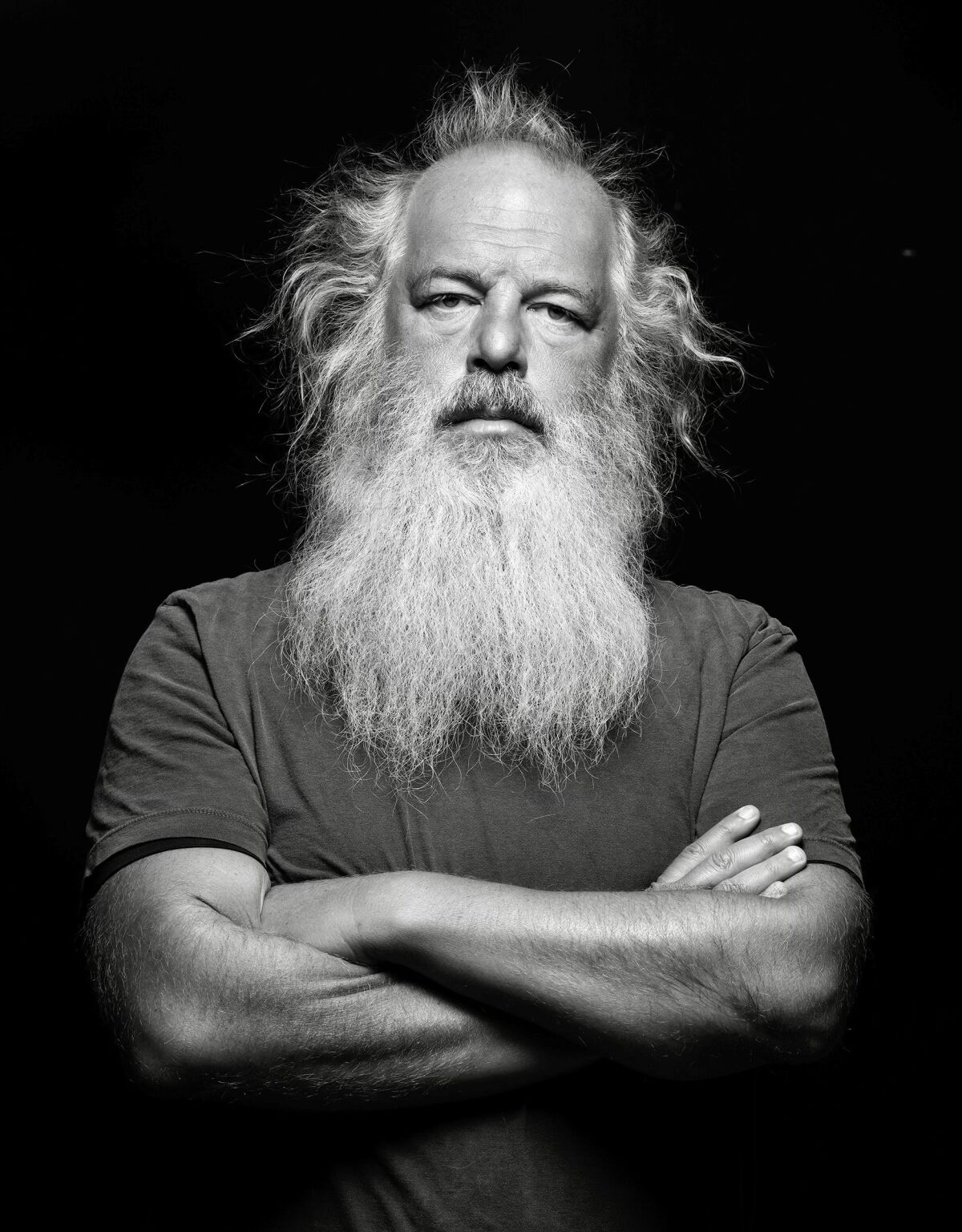
This philosophy of deep, human-centric creation is vividly illustrated through his legendary, genre-spanning collaborations with iconic artists like Jay-Z and Johnny Cash. Rather than imposing a heavy-handed corporate producer's stamp on these musical titans, Rubin acted as a spiritual mirror, highlighting the vital importance of patience, humble curiosity, and unyielding focus. He reflects candidly on how these historic sessions were built on listening rather than talking, creating a sacred container where artists could strip away their armor. Significantly, Rubin also opens up about his own harrowing encounters with the shadow side of the psyche, reflecting on his personal experience with overcoming a difficult, paralyzing depressive episode at age 33—a crucible that fundamentally reshaped his relationship with peace, purpose, and existence. Through strategic storytelling, these legendary collaborations and personal trials are woven into a masterclass on resilience, demonstrating that profound art requires an artist who has looked into the abyss and learned how to listen in the quiet.
The architectural culmination of Rubin’s wisdom is found in his signature "vacuum strategy" and the misunderstood power of non-action. In a professional world addicted to frantic hustle, constant output, and relentless deadlines, Rubin champions the quiet art of doing nothing until the work demands to be born. He emphasizes that the most resonant, enduring work never stems from chasing commercial metrics, viral trends, or artificial timelines, but flows effortlessly from internal alignment and deep personal resonance. Through transformational framing, Rubin’s entire philosophy is elevated into a timeless spiritual blueprint—proving that when a creator learns to quiet the noise, honor their most indefensible instincts, and create from a place of pure internal stillness, they do not just make art; they leave an immortal echo of their humanity upon the world.