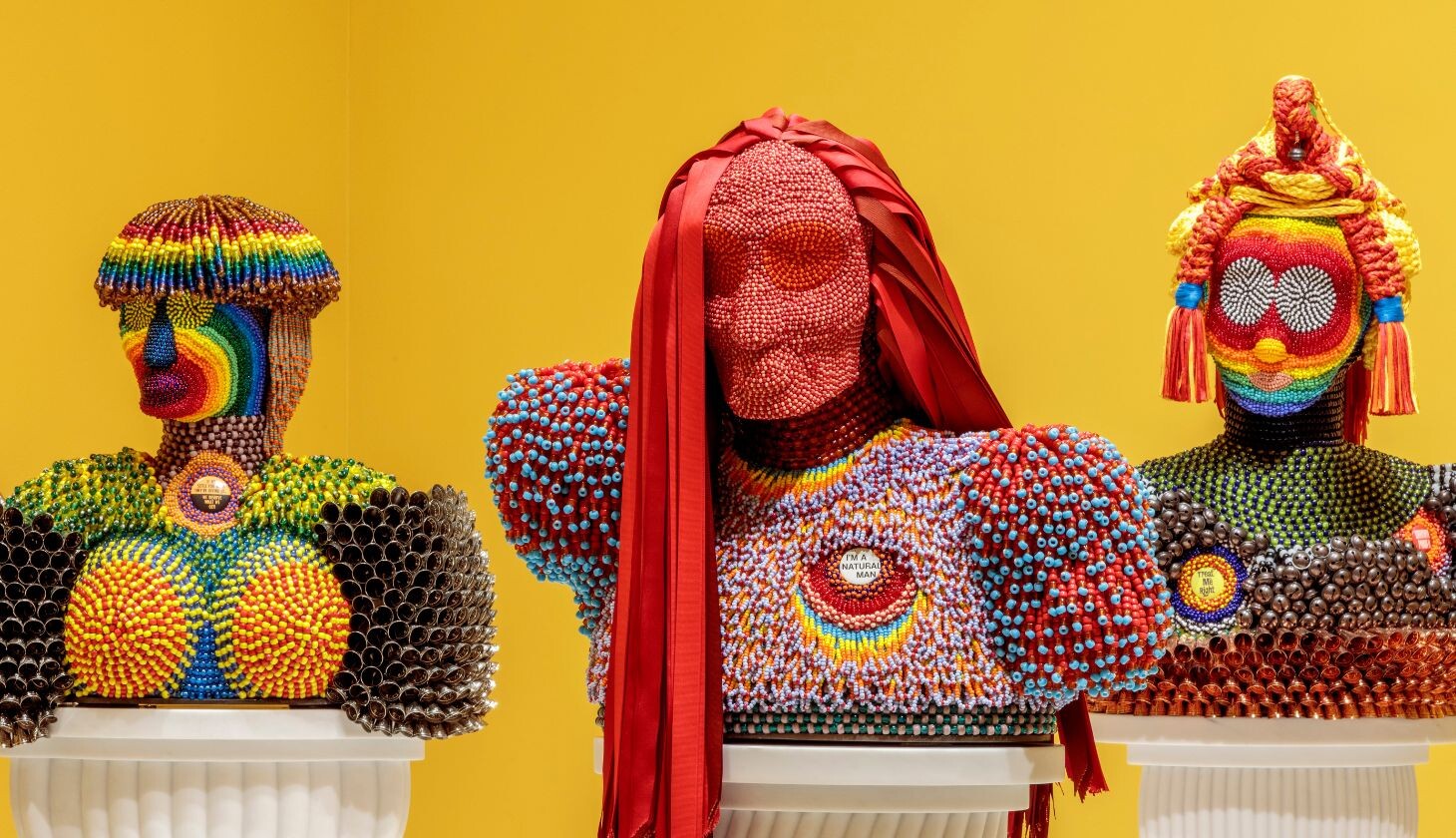
In a revealing profile on his artistic evolution, celebrated multidisciplinary artist Jeffrey Gibson has detailed the "strategy of beauty" and the cross-cultural influences that propelled him from a nomadic childhood to the facade of the Metropolitan Museum of Art. Gibson, a member of the Mississippi Band of Choctaw Indians and of Cherokee descent, is currently making headlines for his monumental bronze installation, The Animal That Therefore I Am, which transformed the Met’s neoclassical Fifth Avenue exterior into a stage for Indigenous and ecological kinship. The artist’s journey is rooted in a unique upbringing across the United States, Germany, and South Korea. Growing up as what he describes as an "indiscriminate race" abroad, Gibson learned to use performance as a survival mechanism—a skill that later informed his approach to public art. He credits his father for instilling a relentless work ethic, famously being told he would have to work twice as hard to succeed. This resilience, combined with early exposure to New York’s 1980s art scene via MTV, inspired him to pursue a career that could bridge his Indigenous heritage with queer and popular cultures.
Related article - Uphorial Shopify
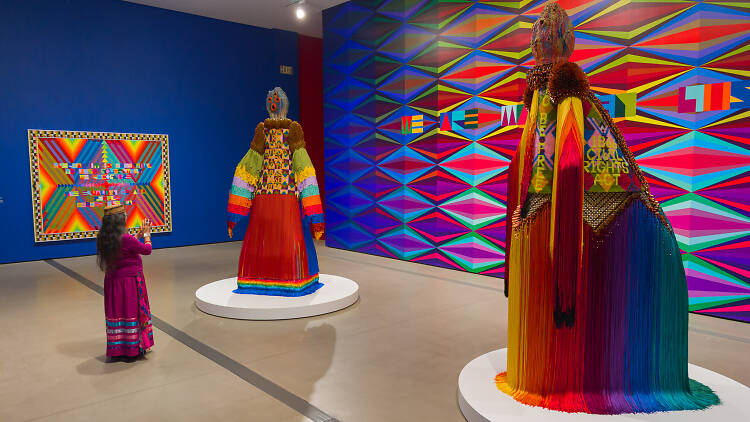

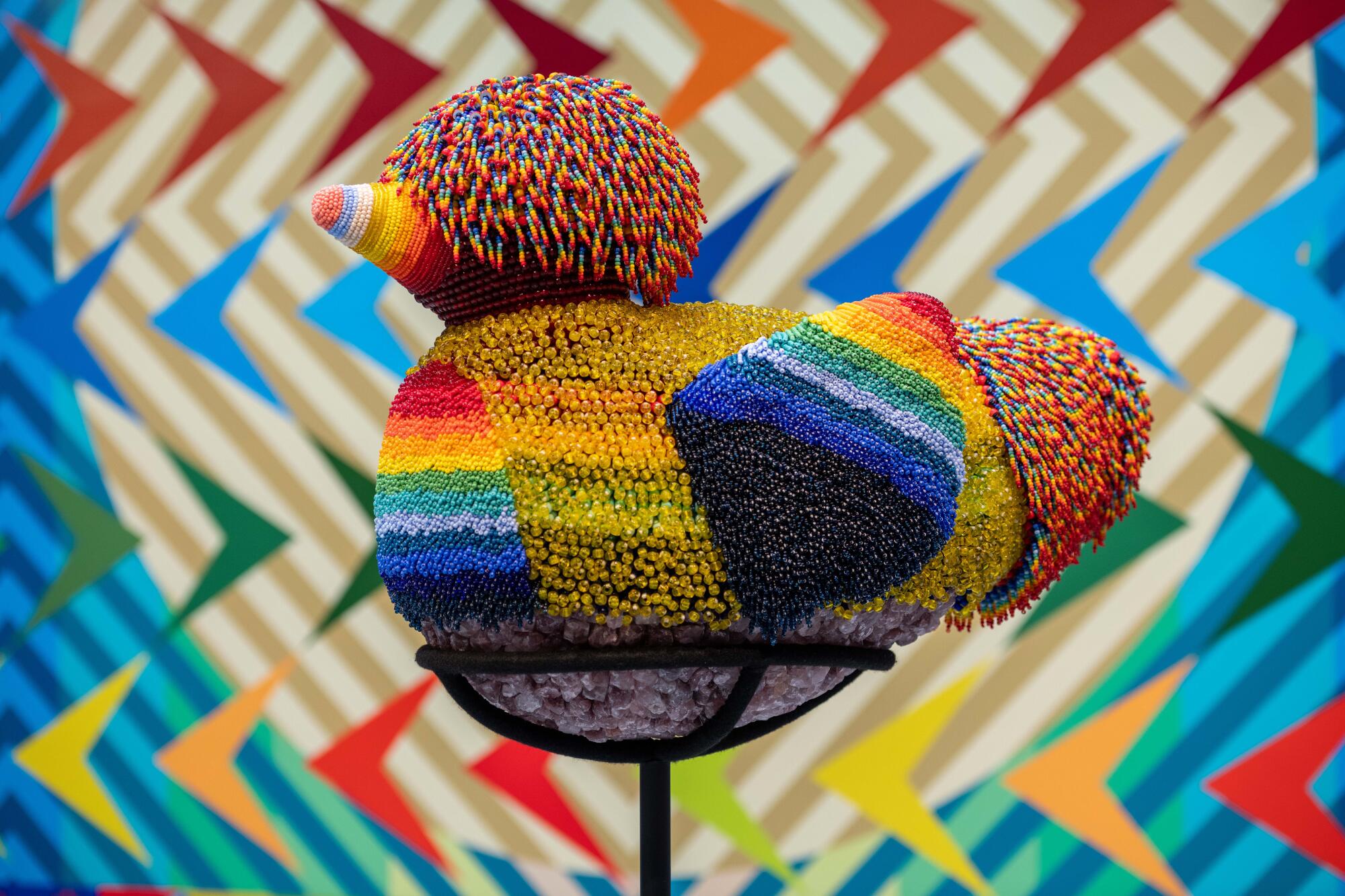

Gibson’s aesthetic was profoundly shaped by the "counter-personas" of his youth. He cites Madonna’s 1990 Blonde Ambition tour as a foundational influence for its provocative stance on morality during the AIDS crisis, and performance artist Leigh Bowery for proving that artistic boundaries are meant to be broken. However, it was a transformative encounter with Henri Matisse’s large-scale cutouts that helped him understand the power of physical presence in art. Despite early career struggles and the "suffocating" weight of 1990s identity politics, Gibson developed what he calls his "strategy of beauty"—using intricate craft and vibrant aesthetics not for their own sake, but as a "hidden agenda" to draw viewers into complex dialogues about hope and endurance. This strategy is on full display in his current Met Facade Commission, which features four 10-foot bronze sculptures of animals native to the Hudson Valley and Central Park: a hawk, a squirrel, a coyote, and a deer. Drawing inspiration from philosopher Jacques Derrida’s critique of human domination over animals, Gibson utilized 3D scans of driftwood and traditional Indigenous materials like beads and textiles to create the forms. The sculptures are a deliberate push against the "flattening" of Indigenous identity, representing tribal communities as dynamic and peer-to-peer with the natural world rather than mere historical artifacts. Reflecting on his trajectory—including his historic turn representing the United States at the 2024 Venice Biennale—Gibson’s advice to the next generation is one of scale and ambition. He maintains that artists must set goals large enough to justify the inevitable sacrifices of the craft, asserting that it is far easier to fight for a grand vision than to suffer over a small one.