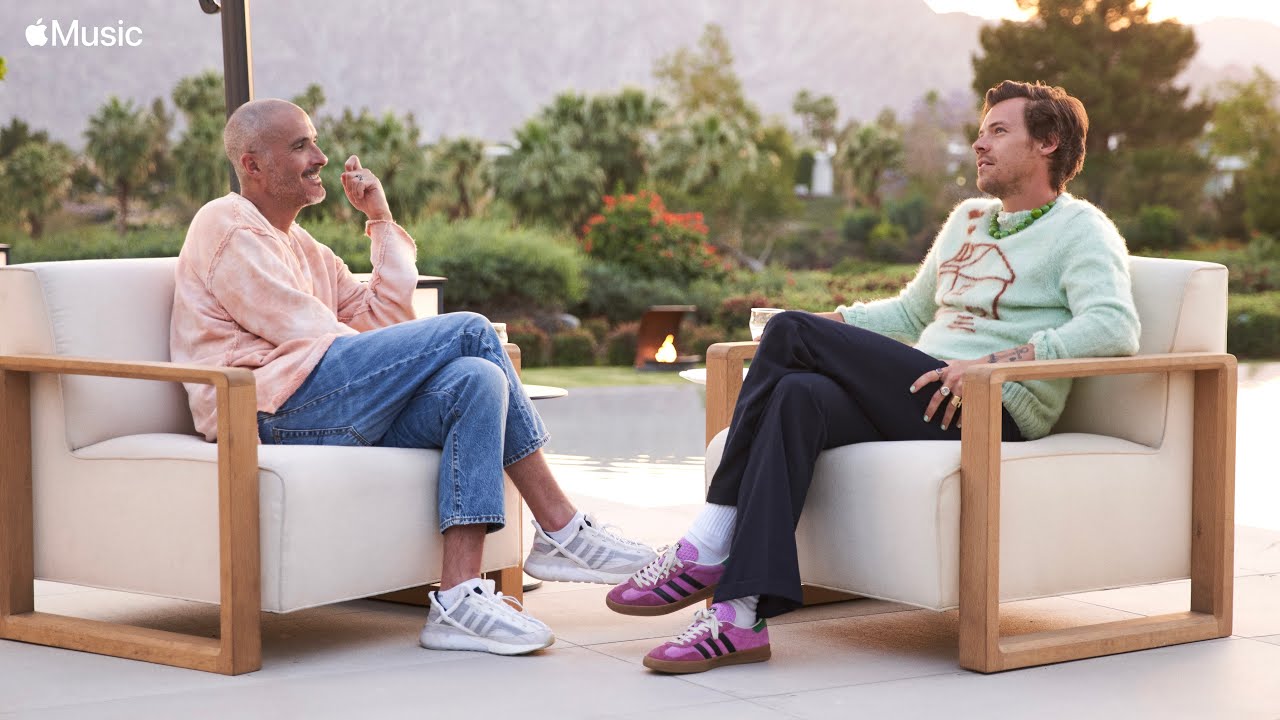
In an expansive and deeply personal dialogue with Apple Music’s Zane Lowe, global icon Harry Styles has pulled back the curtain on his latest studio album, Kiss All the Time. Disco, Occasionally. The interview serves as a roadmap to Styles’ recent psychological and creative evolution, marking a definitive shift from an artist once driven by external validation to one now anchored in self-reflection and a reclaimed love for the craft. Styles credits a pivotal interview with producer Rick Rubin for changing his approach to recording, moving away from the pressure of replicating "brilliant sounds" to simply chasing the visceral feeling of hearing a song for the first time.
The new record is defined by an uncompromising "do I love it?" check-in. Styles told Lowe that his current tenure in the industry is no longer fueled by obligation; he maintains that if the joy ever vanished, he would step away entirely to remain fair to himself and his audience. This newfound clarity follows a battle with imposter syndrome that peaked after his Album of the Year win. Styles revealed he wrote a letter to himself to be opened the day after the Grammys, reminding him that the true reward is the creation of the art, not the trophy. A humorous encounter with a flight attendant who congratulated him on his "Emmy"—and mistook his grandmother for the presenter—further helped him "zoom out" of the industry bubble and embrace a more ordinary perspective.
The tracklist of Kiss All the Time. Disco, Occasionally functions as a diary of Styles' growth. He described "Season 2 Weight Loss" as the album's mission statement, representing a return as a stronger, more defined version of himself. Other key tracks include "Aperture," a song about accountability and the space required for personal growth, and "Are You Listening Yet?", a stream-of-consciousness piece written during a challenging tour period in New York. Styles also delved into the vulnerability of "Paint By Numbers," asserting that an artist’s true strength lies in allowing the public to see them as an ordinary person.

Related article - Uphorial Shopify


Themes of identity and domesticity permeate the later half of the record, heavily influenced by a period of "slowing down" in Italy. Styles shared how the simple pleasures of Italian life allowed him to process experiences he had previously outrun while on tour. This is reflected in "American Girl," a "lonely song" about navigating single life while watching close friends marry, and "Coming Up Roses," which explores the beauty of transient relationships that don't necessarily need to last forever to be meaningful. He also highlighted "Carla" as a foundational track, inspired by witnessing a friend’s pure, first-time reaction to Paul Simon’s "Bridge Over Troubled Water."
Styles’ future strategy mirrors this shift toward sustainability. He announced a new touring model that prioritizes extended stays in single cities rather than constant travel, a move designed to improve the quality of the show while allowing him and his band members to maintain stable personal lives. Ultimately, Styles views this era as one defined by trust and curiosity. Whether through the carefree nature of "Dance No More"—featuring a guest appearance by "Fox"—or the cynical self-reflection of "The Waiting Game," the artist is no longer interested in being "buttoned up." Instead, he is choosing to show up as his true self, regardless of the persona the world expects.