SAFARI - In a groundbreaking showcase of natural history filmmaking, the BBC Earth team has unveiled ten extraordinary animal behaviors documented for the first time in high definition. This collection of "filming firsts" traverses the globe, from the lightless depths of the abyss to the highest peaks of the Himalayas, capturing rare hunting techniques and survival strategies that have long eluded scientists and cinematographers alike. These sequences represent a milestone in wildlife photography, utilizing advanced camera technology to peer into the most secretive lives of the animal kingdom.
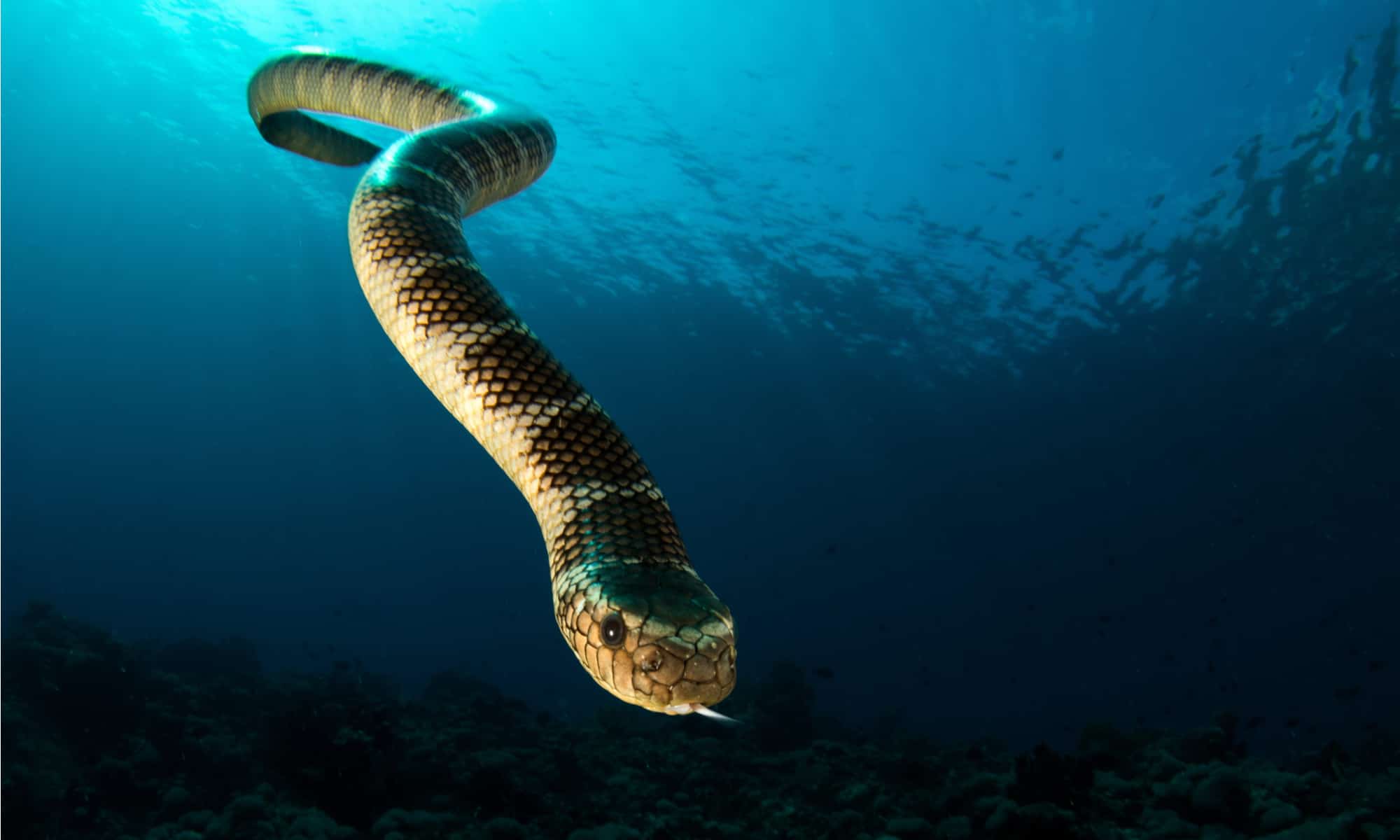
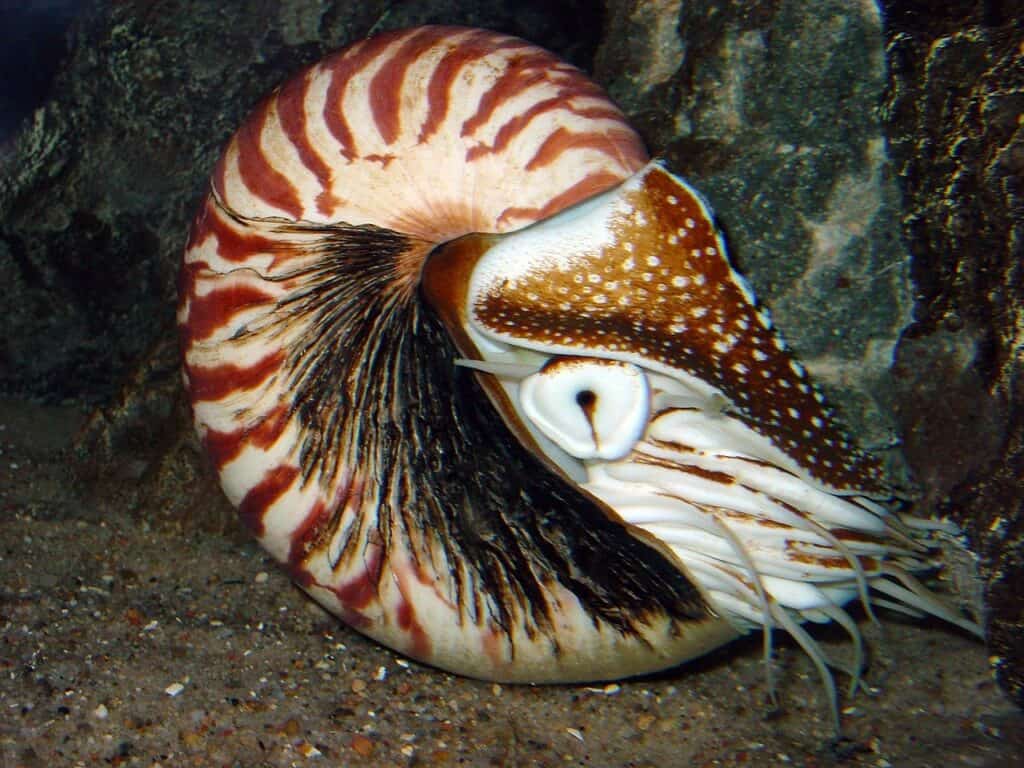
The journey into the deep sea offers a rare glimpse of the vampire squid, which was filmed deploying a specialized defense mechanism. Rather than ink, the cephalostat utilizes bioluminescent bacteria at the tips of its arms to create a disorienting display that confuses predators in the darkness. Nearby, the ancient nautilus was captured navigating the ocean floor shell-first, a unique locomotive method used to hunt for prey. In the vibrant coral reefs of Indonesia, the crew documented an unexpected interspecies alliance: banded sea crates were seen hunting cooperatively with goatfish and trevally, marking a sophisticated level of cross-species communication rarely observed in marine environments.
The focus then shifts to the brutal reality of terrestrial survival and the extremes of parasitism. In the rainforests, the crew filmed the terrifying progression of the Cordyceps fungus as it infiltrated the nervous system of a bullet ant, effectively hijacking its mind to relocate the insect to a vantage point ideal for spore dispersal. On the vast tundra, the team tracked a wolf pack as they executed a high-speed pursuit of caribou, showcasing the endurance required for Arctic survival. Meanwhile, in the Himalayas, the use of remote camera traps yielded the first intimate, high-resolution images of a snow leopard and her cub, providing a look at the maternal bonds of this "ghost of the mountains."

Related article - Uphorial Shopify



Marine mammals and apex predators further demonstrated the ingenuity of nature's hunters. In Western Australia, dolphins were filmed "hydroplaning"—purposefully surfing onto the shore in extremely shallow water to snatch fish from the beach. In Africa, a large pride of lions was documented in a rare and desperate attempt to take down a full-grown elephant, a high-risk endeavor that highlights the evolving dynamics of savanna predation. Further north, a polar bear was observed navigating thick sea fog on a remote island to stalk a massive walrus herd, a testament to the bear’s adaptability as its icy habitat shifts.
The collection concludes with a masterclass in coordinated aquatic hunting. Off the coast, sailfish were filmed utilizing rapid color changes and synchronized movements to corral schools of baitfish into a "bait ball." This flashing of vibrant colors is believed to be a communication tool used to prevent collisions among the hunters while simultaneously stunning their prey. These ten sequences not only provide a visual feast for audiences but also offer invaluable data for biologists seeking to understand the complex, ever-evolving behaviors of Earth's most elusive creatures.