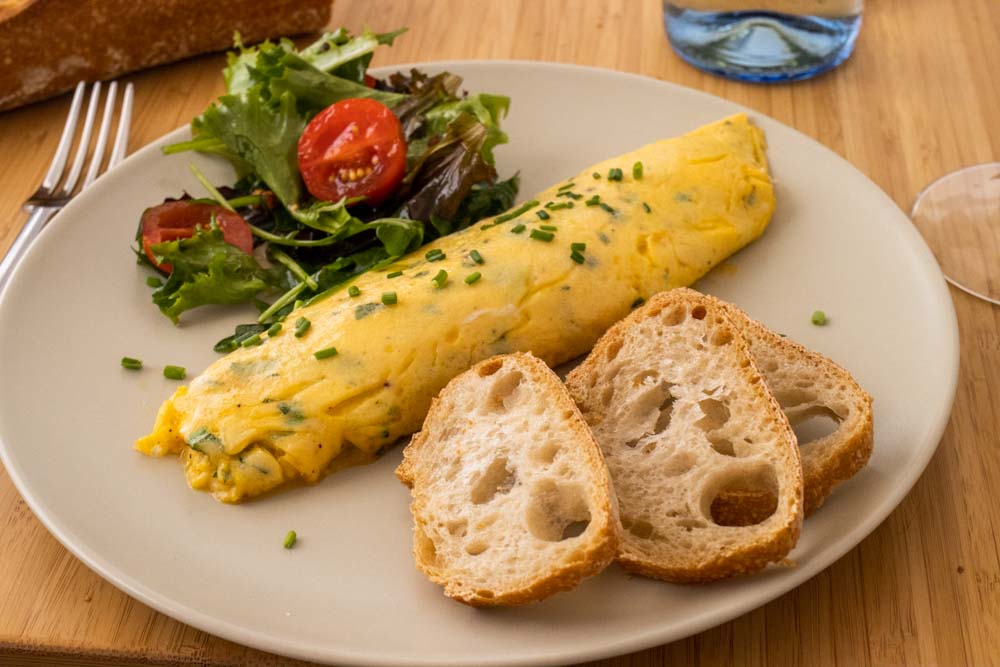
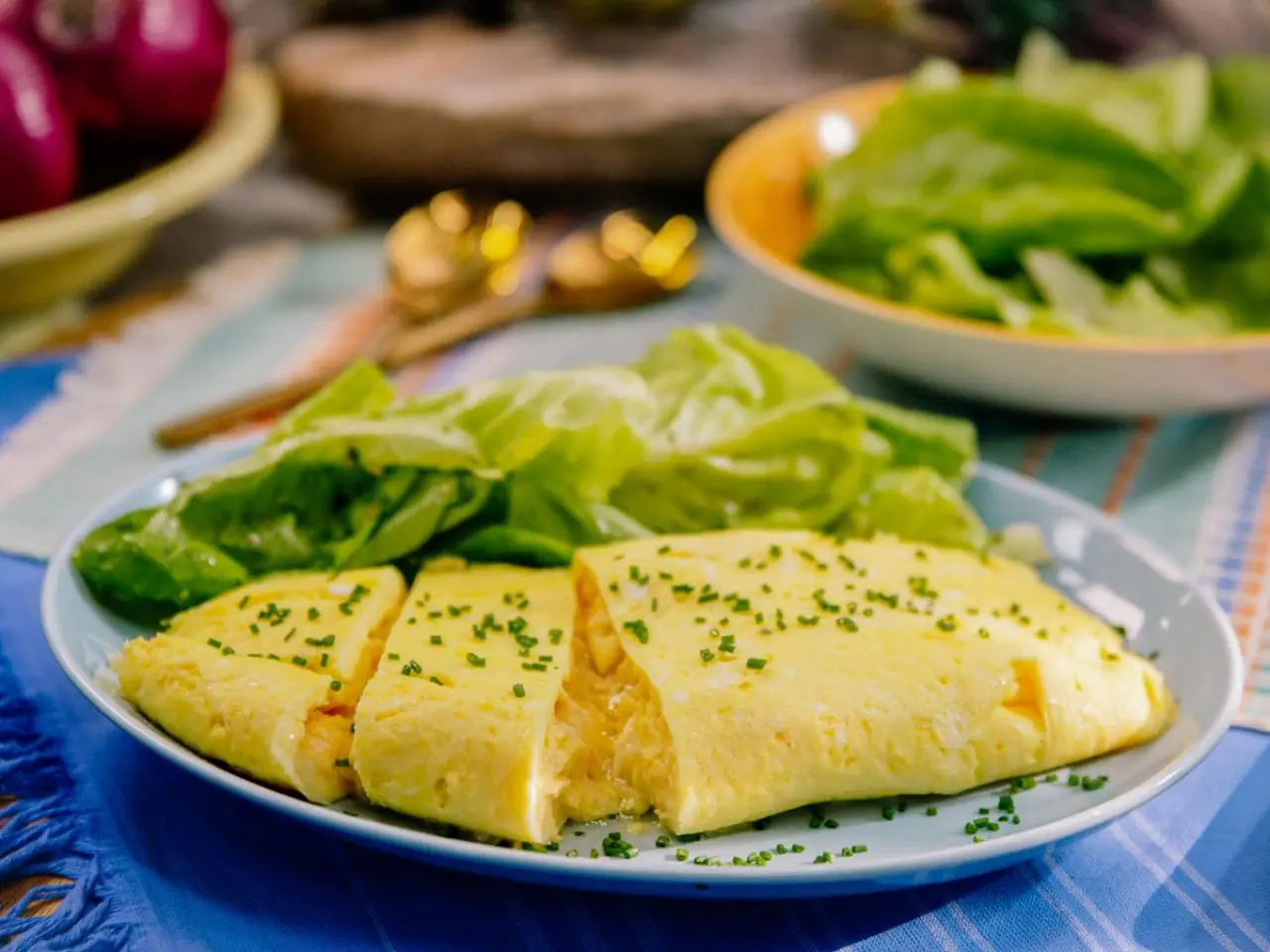
The simple omelet serves as a global culinary canvas, a fact highlighted by Epicurious as they assembled twelve distinct chefs to demonstrate how technique and environment dictate the final plate. At the Brooklyn Diner, success is defined by a staggering volume of 20,000 omelets per month, necessitating a high-speed approach where eggs are pre-whisked and ingredients like bacon are par cooked to ensure a turnaround of two minutes or less. This industrial efficiency contrasts sharply with the traditional French bistro style, which prioritizes a "non-dry, non-color" finish. French chefs often reject the "brutal" whisk in favor of a fork to maintain a fluffy, moist interior, finishing the dish in a classic oval "football" shape with a shine of clarified butter.
Beyond traditional methods, the dish undergoes radical transformations through global fusion and luxury adaptations. For instance, a Spanish tortilla can be elevated with the addition of roasted kimchi and Korean spices, requiring a precise "tempering" of the eggs to prevent them from being shocked by the heat. Meanwhile, an Italian Japanese fusion focuses on a layered Tamagoyaki seasoned with anchovies and "slice spice" to mimic pizza, using a sushi mat to compress the structure. In the realm of high-end luxury, The Plaza utilizes "crate-free" eggs and decadent toppings like lobster and caviar. Hotel chefs here must master the logistics of "carryover cooking," preparing room-service orders to only 80% doneness so they reach the guest perfectly after finishing in a heated transport box.
Related article - Uphorial Shopify

Technical precision is equally vital in specialized sectors like aviation and public education, where health and safety are the primary drivers. When designing for the world's longest flights, chefs must minimize fats and salts to prevent passenger swelling at high altitudes, instead using sumac and chili flakes for flavor and veggie fillings like zucchini and shiitake mushrooms to aid digestion. These airline omelets are finished in foil kits for reheating, much like the school lunch programs that must feed over a million children daily. In schools, the focus is on 100% natural, antibiotic-free proteins served in 51% whole wheat wraps with fresh spinach and roasted salsa to meet strict nutritional standards.
Ultimately, whether the goal is a "shaved jelly bowl" texture for Japanese Omurice or a "crusty" finish for a private client’s seafood-laden breakfast, the foundation remains mise en place. As Epicurious illustrates through this diverse assembly, the perfect omelet is not a single recipe but a reflection of a chef's specific constraints and creative philosophy. From the "homogeneous" whisking taught in culinary school to the use of an apple-and-pear pico de gallo in a school cafeteria, the humble egg proves that preparation and intention are the most essential ingredients in any kitchen.