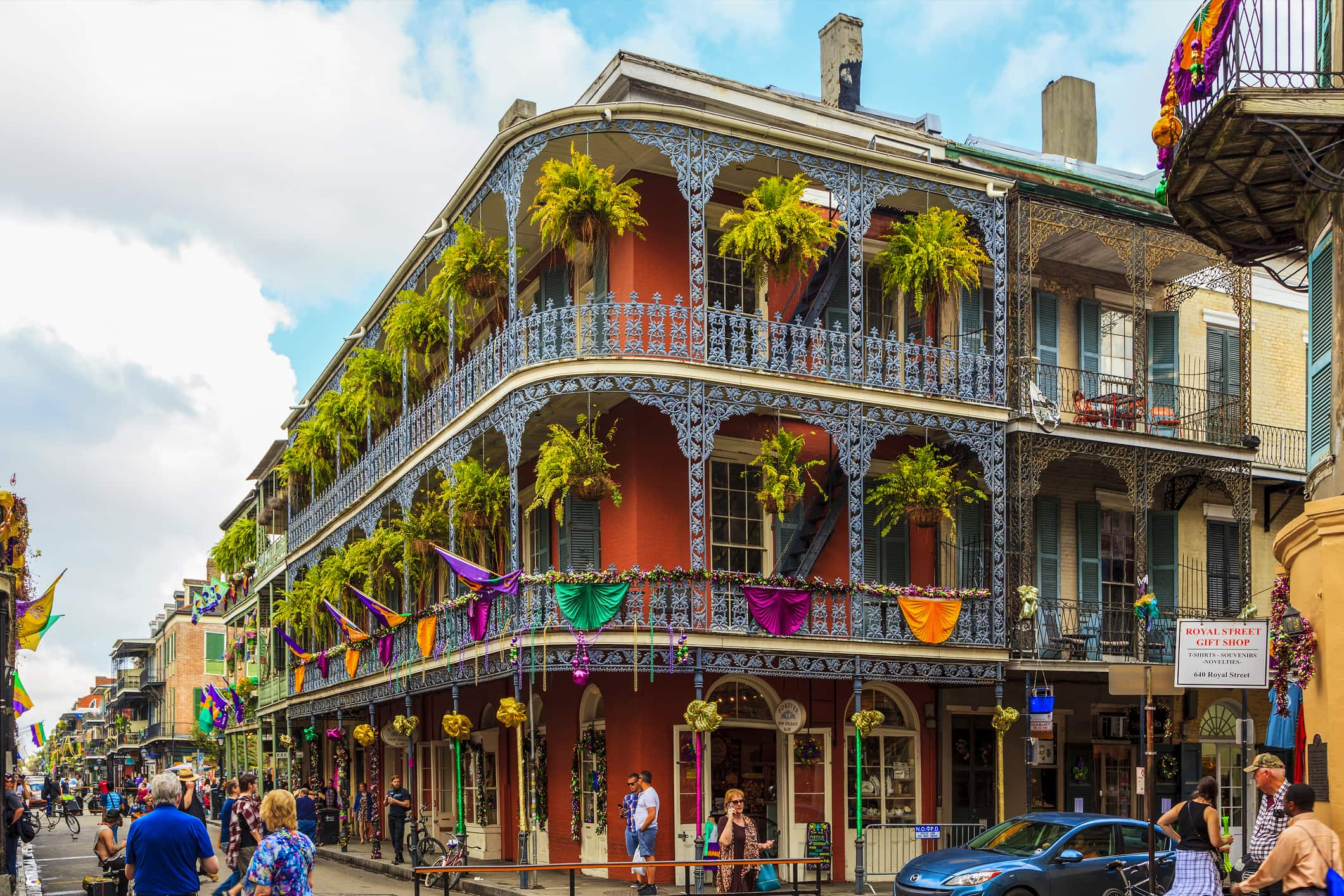
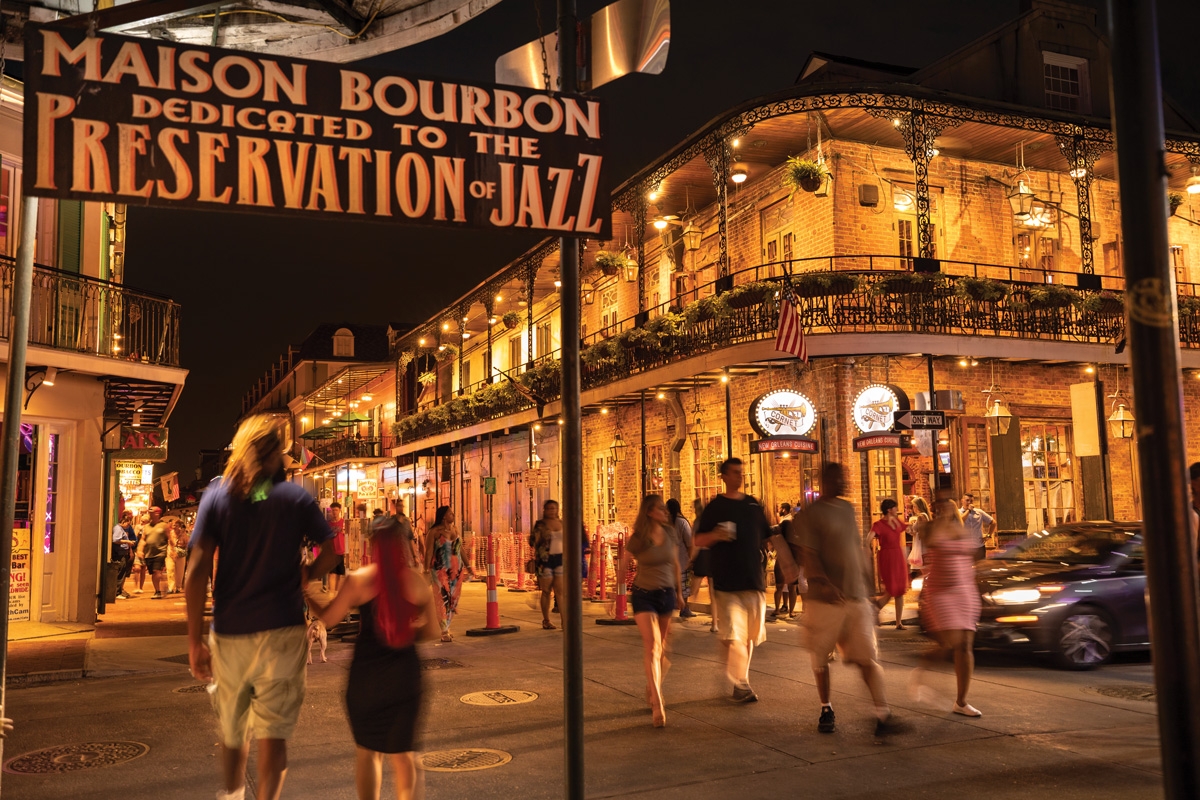
NEW ORLEANS – In the humid, rhythmic corridors of New Orleans, a city often reduced to the neon artifice of Bourbon Street, a deeper, older narrative is reclaiming its space. A new cultural report has peeled back the layers of the "Big Easy" to reveal a metropolis fundamentally anchored by African spirit and history—a legacy that has survived centuries of enslavement, a catastrophic flood, and the modern pressures of displacement. From the bubbling pots of Creole kitchens to the hallowed ground of Congo Square, the city’s identity is increasingly being recognized not as a European import with local flavor, but as a West African stronghold that has adapted to survive.
The report highlights the work of Chef Chris Fonta, who argues that the city’s world-renowned Creole cuisine is the most immediate evidence of this biological and cultural link. While often described as a blend of French and Spanish influences, the "soul" of the menu is undeniably African. This is most evident in gumbo, a dish whose very name is derived from kingombo, the Central Bantu word for okra. Brought to the Americas on slave ships, okra served as a primary thickening agent and a nutritional lifeline for enslaved populations. Today, the dish stands as a culinary monument to West African traditions, a complex stew that serves as a literal and figurative melting pot for the city's diverse ancestry.
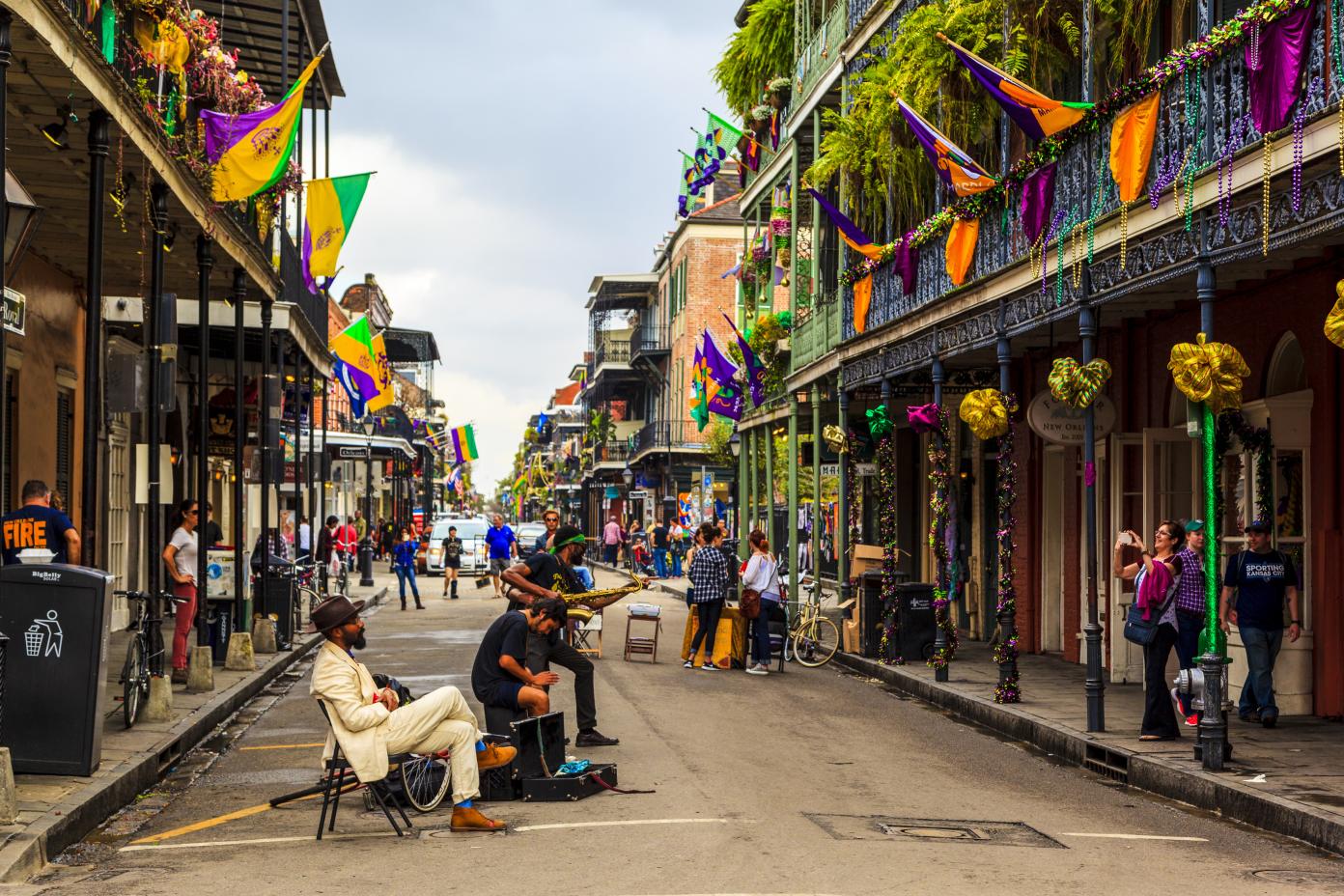
This cultural preservation extends from the kitchen to the public square. The documentary journey identifies Congo Square, located on the edge of the French Quarter, as the spiritual birthplace of American music. During the 18th and 19th centuries, New Orleans was unique in the American South for allowing enslaved Africans to gather on Sundays. In this small plot of land, they maintained ancestral drumming, singing, and dancing rituals that would have been suppressed elsewhere. It was within these Sunday circles that the rhythmic seeds of jazz were planted, blending traditional African polyrhythms with European instruments to create a sound that would eventually change the global musical landscape.
Related article - Uphorial Shopify
Beyond art and food, the report delves into the spiritual resilience of the city through the lens of Voodoo. Far from the sensationalized "Hollywood magic" often sold to tourists, the study presents Voodoo as a sophisticated spiritual tool for survival. Brought from West Africa and Haiti, the practice was frequently disguised behind the iconography of Catholicism to avoid persecution. This syncretism allowed practitioners to maintain a connection to their ancestors and their land, providing a sense of agency and protection in a society designed to strip them of both.
However, the resilience of New Orleans’ African heart was put to its ultimate test in 2005. The report provides a sobering retrospective on Hurricane Katrina, noting that while the storm was a natural disaster, the resulting tragedy was a man-made failure. When the city’s flood walls collapsed, 80% of New Orleans was submerged, with Black neighborhoods in low-lying areas—such as the Lower Ninth Ward—bearing a disproportionate brunt of the devastation. Twenty years after the levees broke, the demographic landscape has been permanently altered. While the city has shown immense grit in its recovery, the report warns that "climate gentrification" has become a new barrier. As higher-elevation areas become more desirable, rising costs and shifting policies have made it increasingly difficult for many original Black residents to return to the neighborhoods their families occupied for generations.
Ultimately, the story of New Orleans in 2026 is one of a "living archive." Despite the physical changes to its streets and the economic pressures on its people, the African influence remains the city's most durable asset. Whether through the annual rhythms of the Congo Square festivals or the persistent steam rising from a bowl of okra-based gumbo, the city continues to honor a heritage that refuses to be erased. New Orleans remains a testament to the fact that while a city can be flooded and its residents displaced, the spirit of a culture—once rooted—can never truly be washed away.