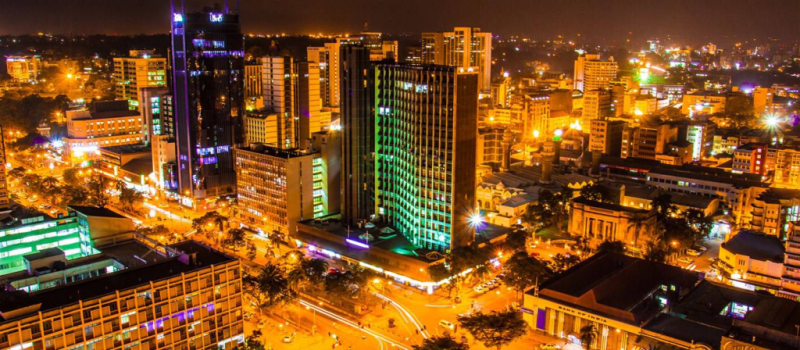
LOS ANGELES – The allure of the American Dream has long acted as a beacon for ambitious minds across the African continent, with Los Angeles standing as the ultimate destination for those seeking to conquer the worlds of entertainment, technology, and high-stakes entrepreneurship. However, a new, unflinching documentary by filmmaker Tayo Aina has pulled back the curtain on the "City of Angels," revealing a landscape that is as much about grueling sacrifice and systemic barriers as it is about red carpets and palm trees. Through the eyes of African immigrants navigating the 2026 economic climate, the film dismantles the glossy myths of instant stardom, replacing them with a sobering narrative of grit, financial precarity, and the relentless hustle required to simply stay afloat in one of the world’s most competitive environments.
A central theme of Aina’s exploration is the "Reality of the Hustle," a direct challenge to the popular misconception that success in Los Angeles is an immediate byproduct of arrival. Contributors to the documentary, many of whom have spent years clawing their way into the industry, describe a fast-paced environment that humbles even the most established African stars. In Los Angeles, the film suggests, your previous accolades often carry little weight; the culture is one of perpetual auditioning. Persistence is not just a virtue in this context but a mechanical necessity for survival. The documentary highlights that the "glamour" sold to the outside world is a thin veneer covering a daily grind where the work never stops, and the margin for error is razor-thin.
The financial pressure of maintaining a life in Southern California serves as the documentary's most significant cautionary tale. Residents interviewed by Aina emphasize that the cost of living is the primary predator of the immigrant dream. The film warns newcomers against the "facade of luxury"—the temptation to project an image of success that their bank accounts cannot yet support. With rent prices reaching historic highs and basic necessities becoming increasingly expensive, the documentary paints a stark picture of the consequences of failure. Many ambitious individuals who arrive with high hopes and limited capital find themselves spiraling toward homelessness, a reality that stands in brutal contrast to the city's reputation as a land of boundless opportunity.
Related article - Uphorial Shopify

To navigate this treacherous landscape, the film identifies networking and community as the essential lifeblood of the African diaspora in Los Angeles. Influential voices, including Angie, the founder of the digital powerhouse The Shade Room, and the prominent creator Drea, explain that professional survival is impossible in a vacuum. Building a robust network is portrayed as a defensive strategy against the city’s inherent loneliness and a functional tool for career advancement. Finding a supportive community of fellow immigrants provides not only emotional sanctuary but also the "insider" knowledge required to bypass the significant barriers to entry that often stymie those without local connections.
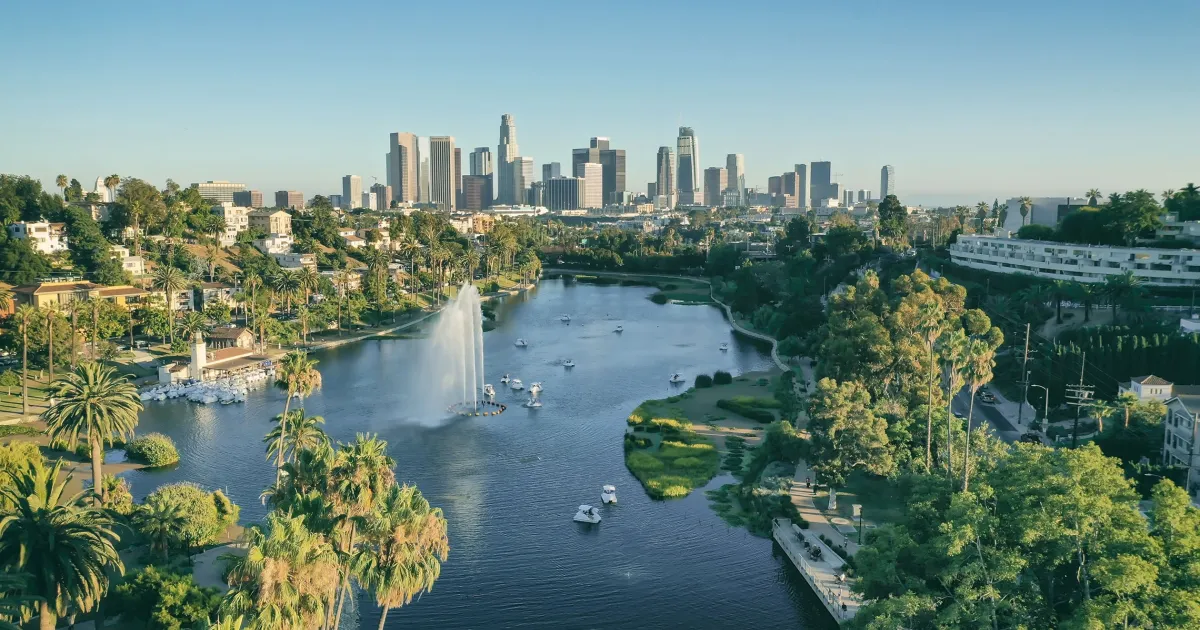
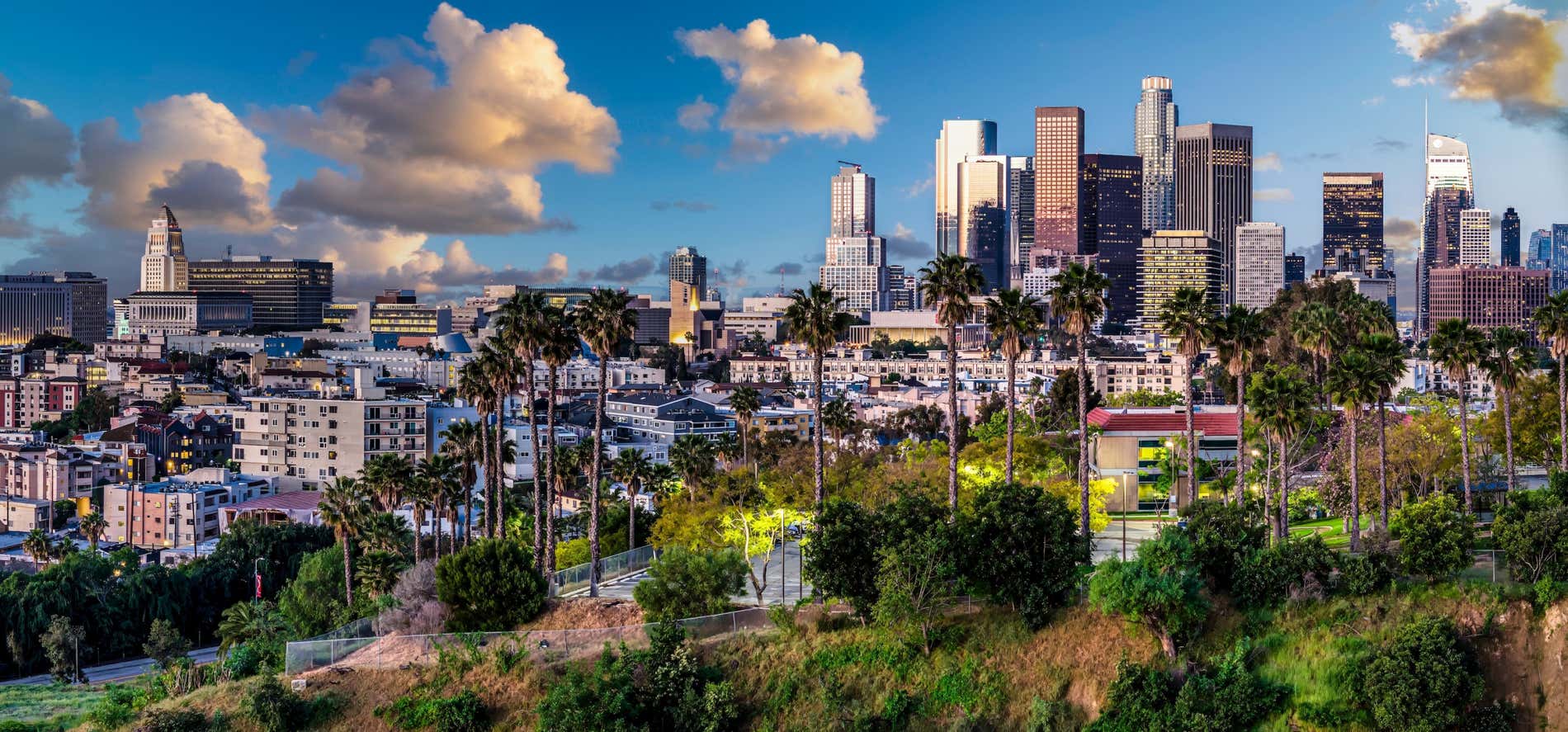
The documentary further illustrates the city’s complexity by exploring the staggering disparity between its extremes. Aina takes viewers through the ultra-wealthy enclaves of Beverly Hills and Bel Air, where residential real estate prices can soar into the hundreds of millions of dollars. These sprawling estates, symbols of the absolute peak of global wealth, are juxtaposed against the city’s escalating homelessness crisis and high crime rates. This visual and social contrast serves as a metaphor for the Los Angeles experience: it is a city of "all or nothing," where the distance between a mansion on a hill and a tent on the sidewalk can be measured in a few short miles, yet represents an almost impassable economic divide.
Ultimately, Tayo Aina’s documentary functions as a candid, high-definition look at the modern American Dream from a uniquely African perspective. It does not shy away from the harsh truths of the city—its extreme competitiveness, its unforgiving costs, and the psychological toll of the hustle. Yet, beneath the warnings, there remains a sense of determined optimism. The film concludes that while Los Angeles may not be the land of easy opportunity it is often advertised to be, it remains a place where the determined can succeed—provided they are willing to trade the dream of instant glamour for the reality of long-term, calculated endurance. For the African immigrant in 2026, the city is not a gift, but a prize that must be fought for every single day.