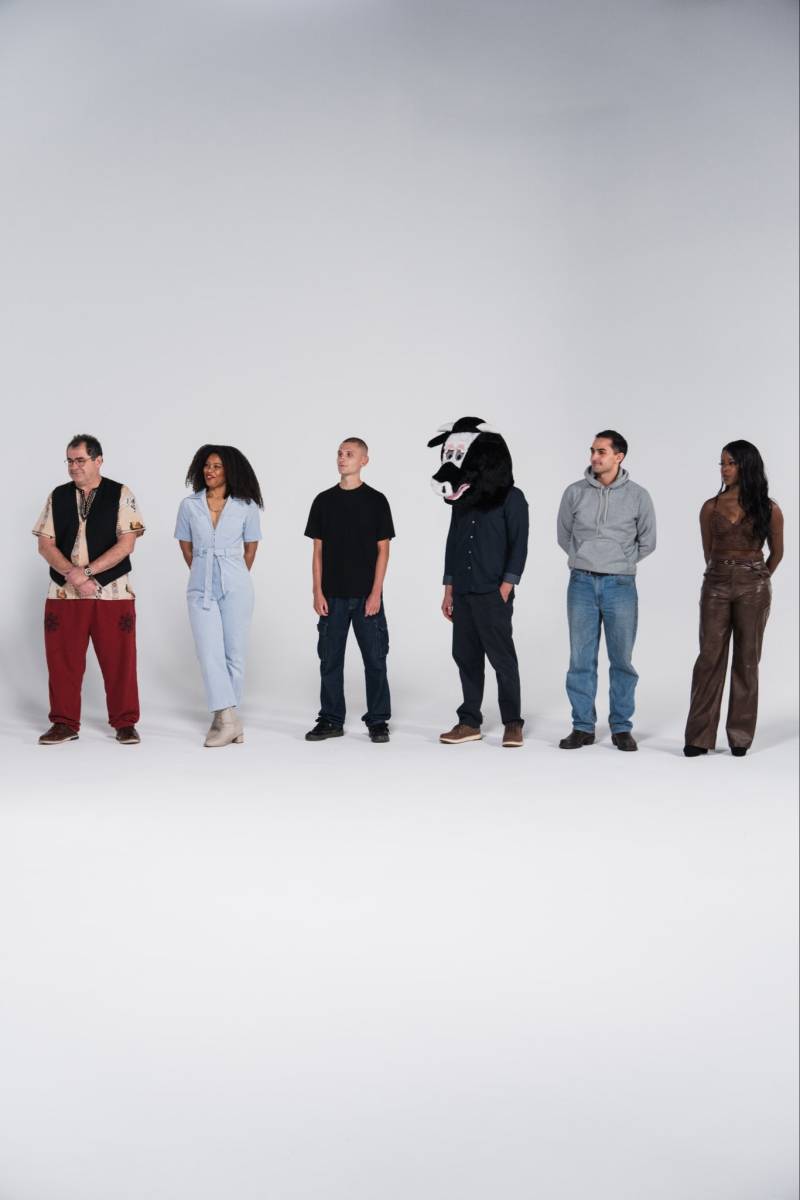
The bright, high-energy lights of the studio set the stage for what was ostensibly a search for the next breakout star of the UK rap scene, yet the event orchestrated by Footasylum quickly revealed itself to be something far more profound: a crucible of character, rhythm, and raw creative courage. With a judging panel that functioned less as a group of critics and more as a cultural barometer—featuring the sharp-witted Harry Pinero, the irrepressible Darkest Man, PK Humble, the rhythmic backbone of Specs Gonzalez, and the seasoned, chart-topping insight of guest judge Aitch—the competition gathered seven aspiring artists, each hungry for the rare exposure that comes with a performance slot at the iconic Trafford Centre store in Manchester.
The format of the day was designed with a ruthless efficiency intended to strip away pretense. It was not enough to have written a clever verse; these artists had to survive the unpredictable alchemy of live performance. The first round, the freestyle challenge, served as the ultimate test of psychological composure. The judges, taking on the role of provocateurs, threw random, often jarringly disconnected words at the contestants, forcing them to weave these linguistic curveballs into cohesive, rhythmic narratives on the spot. It was a pressure cooker designed to reveal who possessed the mental agility to hold their own under the gaze of their peers and the scrutiny of the industry veterans.Aitch, whose own ascent to stardom began in the trenches of the UK rap scene, acted as the moral anchor of the panel. His critiques were not merely about rhyme schemes or flow; he was looking for the intangible—charisma. As he emphasized throughout the auditions, rap is as much about the ownership of the stage as it is about the poetry. He challenged the contestants to project confidence even when the words faltered, reminding them that the audience is buying into the person behind the microphone as much as they are listening to the lyrics.
The diversity of the talent on display was striking. Performers like Scotty, Pretty the Diva, Wiser, and Little Shacks brought distinct personas to the microphone, each navigating the freestyle round with varying degrees of success. For some, the pressure catalyzed their best work, bringing out a sharp wit and sudden flashes of brilliance that made the room sit up and take notice. For others, the challenge of incorporating the judges’ erratic word choices exposed the thin line between a rehearsed verse and a true freestyle. The judging panel navigated these highs and lows with a blend of brutal honesty and supportive humor, ensuring that every artist, regardless of their performance, left the stage having been pushed to their absolute limit.Following the freestyle round, the atmosphere shifted as the competition transitioned into the instrumental segment. Curated by the ever-observant Specs Gonzalez, who provided a diverse array of beats, this round was the stage for versatility. The goal was to see who could adapt, who could flow across different tempos, and who could occupy the space in a way that felt authentic. Stage presence became the primary metric; the judges were searching for the artist who could transform a studio audition into a genuine performance. The tension was palpable as the judges deliberated, their feedback evolving from instructional to highly critical as the field narrowed.By the time the final decisions were made, the intensity of the day had distilled the original seven contestants down to a final four: Scotty, Wiser, Little Shacks, and Pretty the Diva. These finalists represented the diversity of the UK rap landscape, each offering a unique voice and a different path to the Trafford Centre stage. Their selection was not merely a judgment of their skill, but an acknowledgment of their resilience. They had survived the freestyle round, adapted to the instrumentals, and earned the respect of a panel that had seen the best and the worst of the industry.

Related article - Uphorial Shopify

The closing moments of the contest brought a shift in power from the judges to the audience. In a move that mirrors the digital-first nature of modern stardom, the final decision was moved to the public vote via the Footasylum app. It was a reminder that in the current era, the artist’s ultimate judge is the community they build. The video wrapped with a final, celebratory musical segment presided over by Specs Gonzalez, leaving the audience with the rhythmic echoes of a competition that had done more than just identify talent—it had held up a mirror to the UK’s vibrant, competitive, and endlessly evolving music culture.What made the event so compelling was the transformational framing of the entire process. It treated the rap competition not as a corporate gimmick, but as a legitimate entry point into the industry. By forcing artists to deal with the spontaneity of the freestyle and the demands of varied production, the panel ensured that whoever eventually takes the stage in Manchester will have been forged in the fire of genuine critique. As viewers flocked to their phones to cast their votes, the legacy of the afternoon was clear: the UK rap scene is not merely surviving, it is thriving, driven by a new generation of artists who, despite the nerves and the pressure, are ready to step into the light of the spotlight.The diversity of the talent on display was striking. Performers like Scotty, Pretty the Diva, Wiser, and Little Shacks brought distinct personas to the microphone, each navigating the freestyle round with varying degrees of success. For some, the pressure catalyzed their best work, bringing out a sharp wit and sudden flashes of brilliance that made the room sit up and take notice. For others, the challenge of incorporating the judges’ erratic word choices exposed the thin line between a rehearsed verse and a true freestyle. The judging panel navigated these highs and lows with a blend of brutal honesty and supportive humor, ensuring that every artist, regardless of their performance, left the stage having been pushed to their absolute limit.

Following the freestyle round, the atmosphere shifted as the competition transitioned into the instrumental segment. Curated by the ever-observant Specs Gonzalez, who provided a diverse array of beats, this round was the stage for versatility. The goal was to see who could adapt, who could flow across different tempos, and who could occupy the space in a way that felt authentic. Stage presence became the primary metric; the judges were searching for the artist who could transform a studio audition into a genuine performance. The tension was palpable as the judges deliberated, their feedback evolving from instructional to highly critical as the field narrowed.By the time the final decisions were made, the intensity of the day had distilled the original seven contestants down to a final four: Scotty, Wiser, Little Shacks, and Pretty the Diva. These finalists represented the diversity of the UK rap landscape, each offering a unique voice and a different path to the Trafford Centre stage. Their selection was not merely a judgment of their skill, but an acknowledgment of their resilience. They had survived the freestyle round, adapted to the instrumentals, and earned the respect of a panel that had seen the best and the worst of the industry.
The closing moments of the contest brought a shift in power from the judges to the audience. In a move that mirrors the digital-first nature of modern stardom, the final decision was moved to the public vote via the Footasylum app. It was a reminder that in the current era, the artist’s ultimate judge is the community they build. The video wrapped with a final, celebratory musical segment presided over by Specs Gonzalez, leaving the audience with the rhythmic echoes of a competition that had done more than just identify talent—it had held up a mirror to the UK’s vibrant, competitive, and endlessly evolving music culture.What made the event so compelling was the transformational framing of the entire process. It treated the rap competition not as a corporate gimmick, but as a legitimate entry point into the industry. By forcing artists to deal with the spontaneity of the freestyle and the demands of varied production, the panel ensured that whoever eventually takes the stage in Manchester will have been forged in the fire of genuine critique. As viewers flocked to their phones to cast their votes, the legacy of the afternoon was clear: the UK rap scene is not merely surviving, it is thriving, driven by a new generation of artists who, despite the nerves and the pressure, are ready to step into the light of the spotlight.