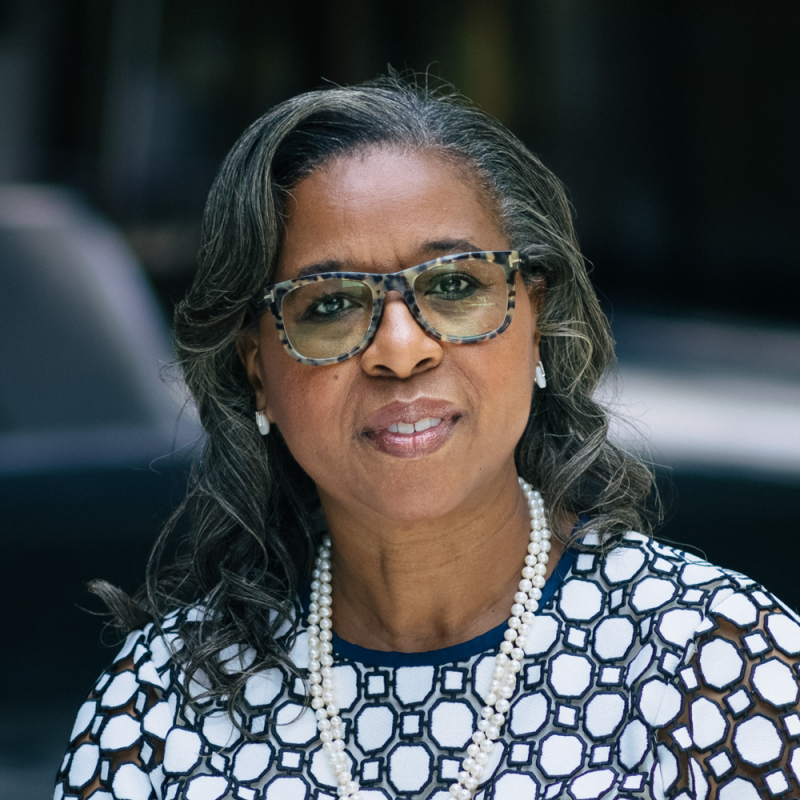
LAGOS - The narrative of African economic evolution is often told through the lens of external aid or speculative macro-trends. However, stepping onto the bustling, humid streets of Lagos, Nigeria, offers a radically different perspective—one defined by the grit, vision, and uncompromising ambition of those actually building the continent’s future. In a recent immersive journey through the city’s nerve centers of commerce, the reality of Africa’s business landscape is revealed not as a struggle for survival, but as an expansive terrain of industrial possibility. From the quiet intensity of high-level boardrooms to the sprawling scale of modern refineries, the story is consistent: a new generation of leaders is shifting the paradigm from import dependency to home-grown, value-added industrialization.
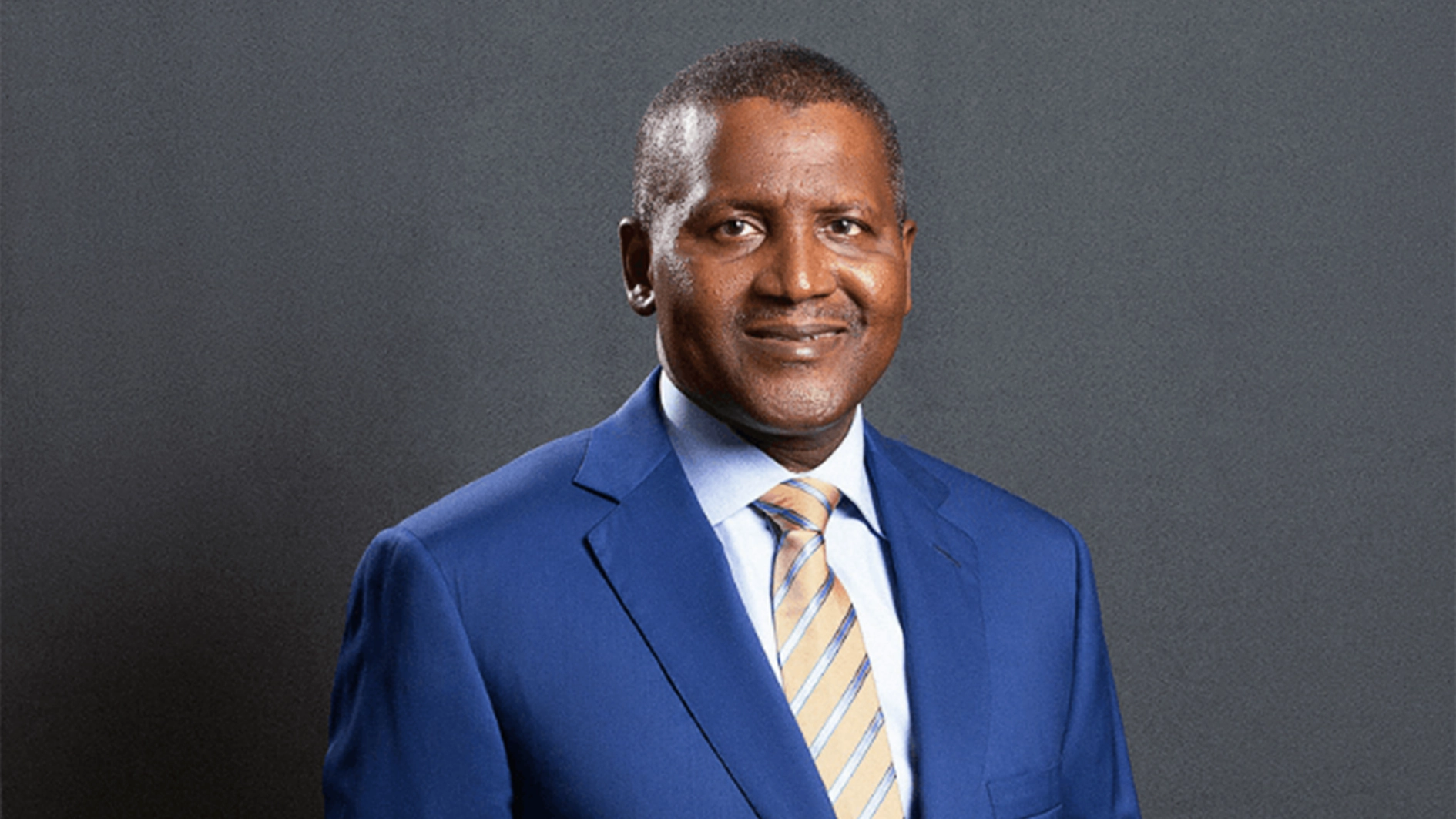
The architecture of this transformation is perhaps best embodied by the philosophy of Aliko Dangote. For years, the global discourse on African business focused on trading—moving goods from one port to another. Dangote, the continent's most prominent industrialist, has spent decades dismantling that model in favor of "backward integration." This strategy is not merely a corporate maneuver; it is a fundamental restructuring of the economic value chain. By controlling the production process from raw material to finished good, leaders like Dangote are creating self-sustaining ecosystems that insulate the local economy from the volatility of global foreign exchange markets and external supply shocks. His massive refinery projects and industrial complexes are not just signs of corporate growth—they are physical manifestos for continental self-sufficiency.

Related article - Uphorial Shopify
This sentiment of "building from within" echoes across the city’s broader business community. In conversations with a leading private equity investor, the conversation shifts to the untapped potential of the informal economy. For her, resilience is not just a personality trait; it is a core business competency. She emphasizes that the true growth engine of Africa is not found in spreadsheets but in the millions of micro-entrepreneurs who navigate structural challenges with agility. It is a sector that requires "deep market knowledge"—a commitment to understanding the ground-level realities of infrastructure, logistics, and consumer behavior that no international consulting report could ever fully capture.
Similarly, the perspective of an oil and gas executive provides a lesson in the art of the pivot. In an industry often characterized by its rigid reliance on tradition, he speaks to the necessity of focus and the surgical precision required to close high-value deals. His outlook acknowledges the enduring relevance of the energy sector but re-frames it within the context of sustainable development. The goal is no longer just extraction for global export; it is about leveraging natural resources to fuel the internal power needs of a growing nation. This is the new "energy security"—one that prioritizes the empowerment of local industries over the mere volume of barrels shipped abroad.
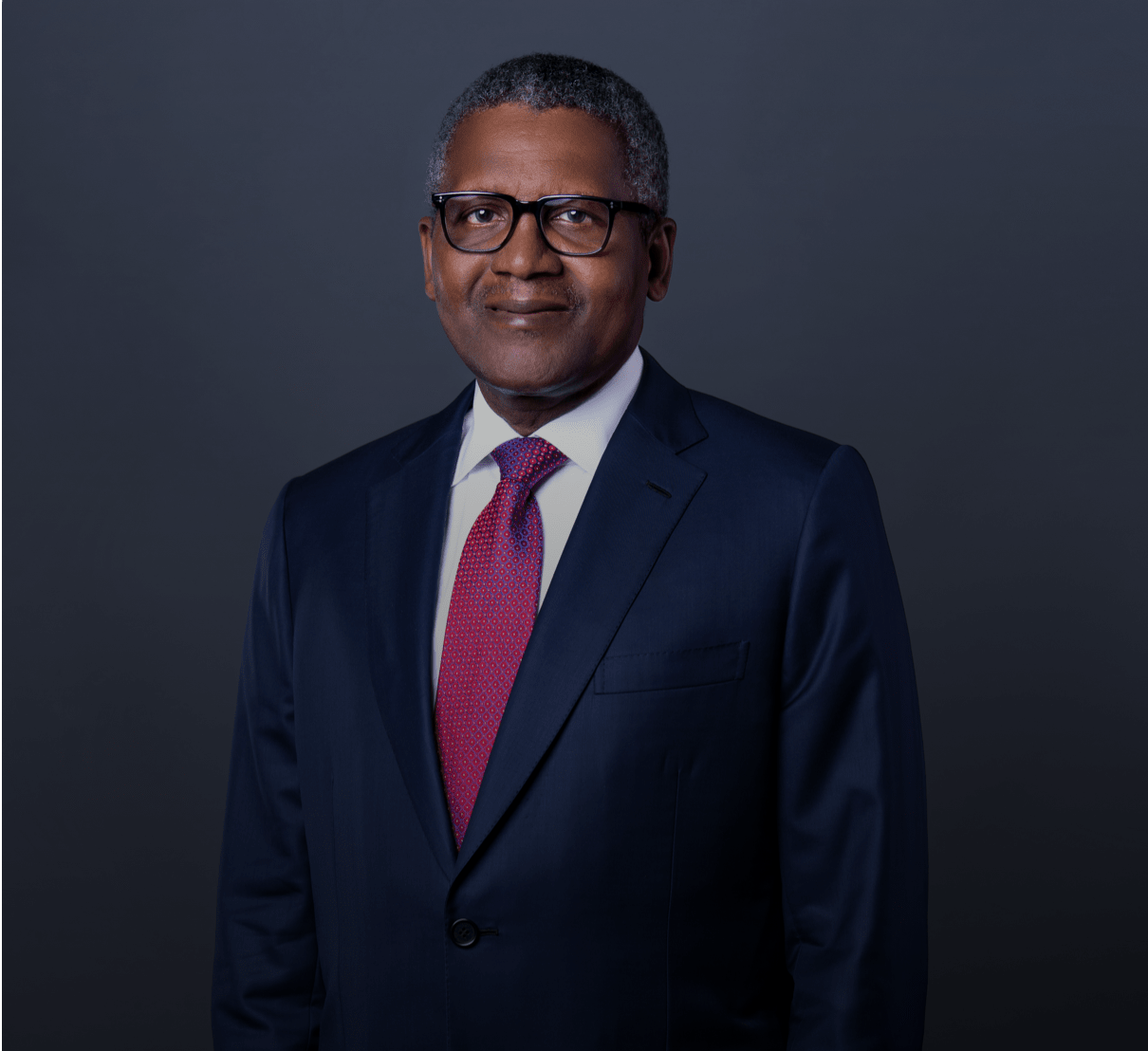
Across these diverse sectors—finance, energy, and manufacturing—the themes are remarkably consistent. They speak of a culture of discipline, faith, and a relentless commitment to legacy. There is a palpable rejection of "quick-fix" solutions. These leaders talk about the "long game"—the recognition that Africa’s demographic dividend, its booming youth population, and its vast natural resources require a level of patience that is often misunderstood by outside investors. This is entrepreneurship as an act of service, a commitment to creating the infrastructure, jobs, and social stability that will define the continent’s trajectory for the next century.
The message to the next generation of African entrepreneurs is one of both caution and extreme optimism. Success here is not predicated on following the established patterns of the West; it is predicated on the ability to innovate in the absence of legacy infrastructure. It is about viewing every administrative barrier or logistical hurdle as an invitation for a homegrown solution. It is a philosophy that honors humility—acknowledging the communal impact of business—while maintaining the iron discipline required to scale in one of the most competitive, fast-paced environments on Earth.
As the journey through Lagos concludes, the transformation is clear. The era of Africa as a mere consumer of global goods is receding, replaced by an era of Africa as a producer, a creator, and a formidable industrial force. The leaders interviewed do not speak of the future as something that will happen to them; they speak of it as something they are currently constructing, brick by brick, deal by deal. In the quiet, determined voices of those reshaping the continent, the promise of a self-sufficient Africa is no longer a distant dream—it is a live, unfolding reality..