The global technology landscape is currently witnessing a massive convergence of geopolitical shifts, high-stakes defense innovation, and a fundamental restructuring of the artificial intelligence sector. As markets react to the possibility of de-escalation in the Middle East, specifically regarding potential ceasefire talks in Iran, the ripple effects have been immediate and profound. Investors have begun pivoting back into high-growth tech shares as oil prices retreat, creating a favorable backdrop for a series of industry-shaking announcements. In the latest edition of Bloomberg Technology, hosts Caroline Hyde and Ed Ludlow detailed a week that could redefine the future of space exploration, semiconductor manufacturing, and national security.
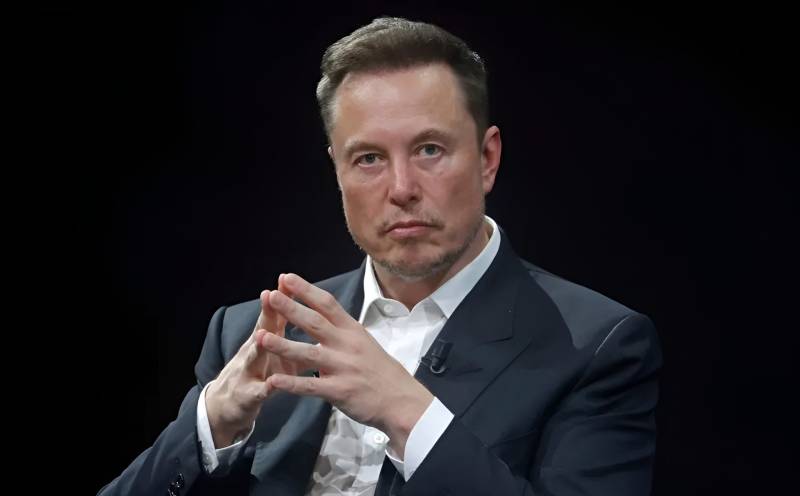
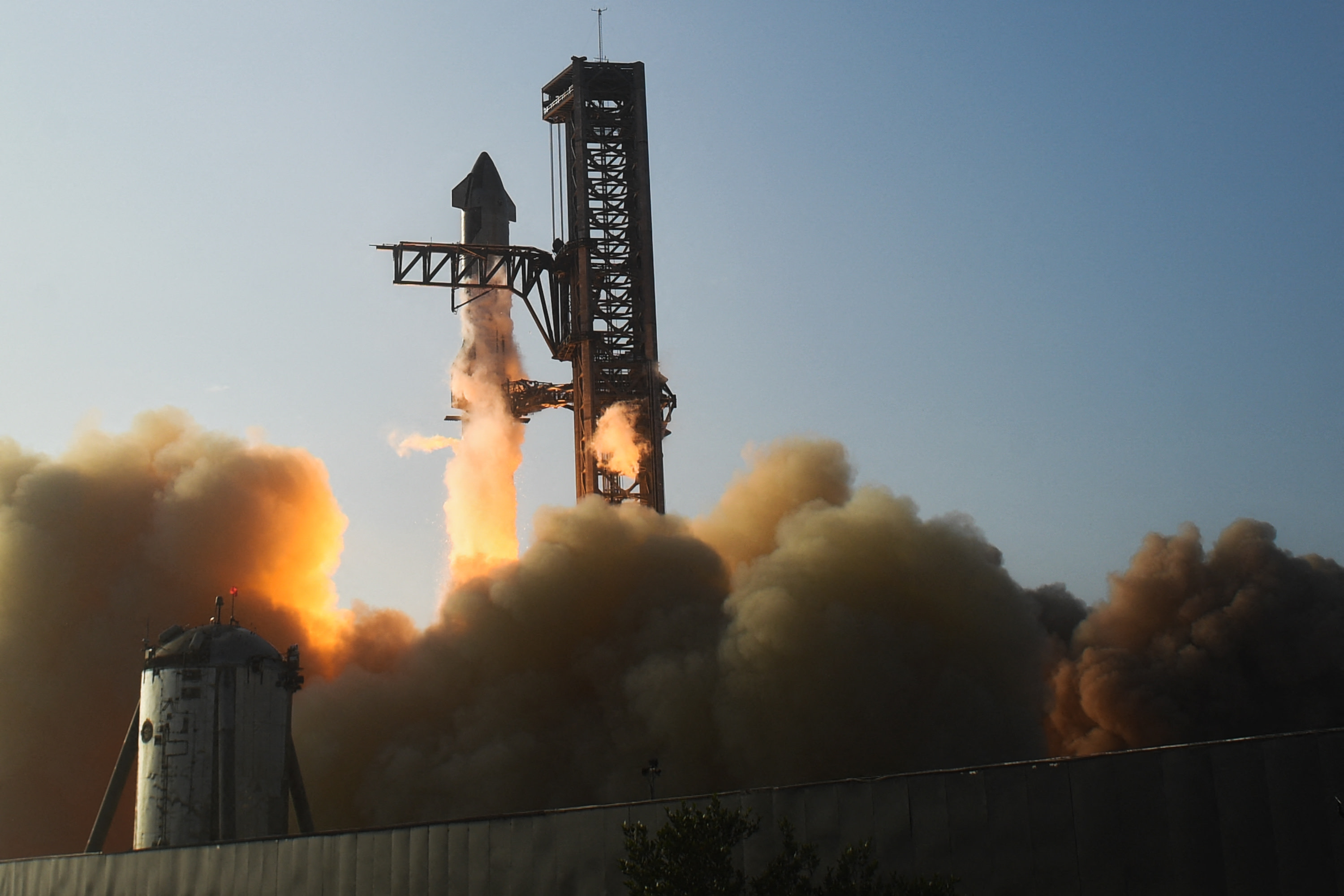
At the center of this whirlwind is SpaceX, which appears to be on the precipice of a historic financial milestone. Reports indicate that the Elon Musk-led aerospace giant is preparing a massive prospectus filing that could be made public by the end of the week. This potential IPO represents more than just a liquidity event; it signifies the institutionalization of the private space race. As SpaceX moves closer to the public markets, it carries with it the expectations of a burgeoning space economy that is increasingly vital to both global telecommunications and sovereign defense strategies.
This intersection of technology and warfare is becoming a primary theme for Silicon Valley’s most influential players. Shyam Sankar, the Chief Technology Officer of Palantir, recently shed light on how AI is no longer a peripheral tool but a central nervous system for modern combat operations. While the battlefield is becoming increasingly digitized, the financial reality at the Pentagon tells a different story. Rachel Hoff of the Ronald Reagan Institute noted a glaring discrepancy in how the United States prepares for future threats. Despite the rapid advancement of autonomous systems and predictive analytics, Pentagon spending on defense technology remains stubbornly under one percent of total contract dollars. This gap suggests a bureaucratic friction that continues to slow the adoption of cutting-edge innovation within the military-industrial complex.

Related article - Uphorial Shopify
The semiconductor industry is also undergoing a radical transformation as the "AI arms race" intensifies. ARM, traditionally known for licensing its architecture to other chipmakers, is now pivoting toward a more direct and aggressive business model. CEO Rene Haas confirmed that the company is shifting its strategy to design and sell its own proprietary chips. This move places ARM in direct competition with some of its long-term partners, yet it has already secured a significant victory. Meta has been named as ARM’s first major customer for these custom chips, signaling a desire among big tech firms to move toward vertically integrated hardware that is specifically optimized for large-scale AI workloads.

As hardware evolves, the software that interacts with consumers is being rebuilt from the ground up. Apple is reportedly preparing for a massive overhaul of its ecosystem, with plans to transform Siri from a basic voice assistant into a sophisticated, standalone AI agent app. According to Mark Gurman, this revamp is expected to be a centerpiece of the upcoming Worldwide Developers Conference (WWDC). By evolving Siri into an agent capable of executing complex tasks across various applications without manual user intervention, Apple aims to reclaim its position in an AI landscape currently dominated by LLM-based startups.
The capital required to fuel these breakthroughs is reaching unprecedented levels. OpenAI is reportedly nearing a staggering $120 billion valuation, a figure that underscores the market's belief in the transformative power of generative AI. This valuation surge is being met by a massive influx of venture capital from established firms. Ilya Fushman, a partner at Kleiner Perkins, recently detailed the firm’s $3.5 billion raise, which is earmarked specifically for AI and autonomous technologies. This massive commitment of capital suggests that despite economic fluctuations, the long-term investment thesis for autonomy and artificial intelligence remains robust. As tech shares continue to benefit from shifting geopolitical tensions and falling energy costs, the industry is entering a new era of expansion where space, defense, and silicon are inextricably linked.