LAGOS - The air outside the gated residence was thick with the kind of suburban tension that typically precedes a domestic earthquake. For Os, a young woman poised to meet her boyfriend’s mother for the very first time, the setting was far from ideal—a locked gate, a missing key, and a silent, judgmental vacuum waiting to be filled. But for Monica, the boyfriend’s mother, this was not merely an inconvenience; it was the opening act of an orchestrated campaign to preserve the sanctity of her son’s future. The stage was set for a classic confrontation, yet what unfolded in the quiet street was a masterclass in psychological warfare, a comedic drama titled AURA FOR AURA that dissects the fragile, high-stakes architecture of familial entry.
The initial confrontation was as cold as the gate itself. Monica, armed with a sharp tongue and a clear, unwavering disdain for her son’s choice of partner, wasted little time in drawing battle lines. She did not merely criticize; she dismantled. With a surgical precision that only a mother protecting her perceived interests can possess, she launched a series of disparaging remarks aimed directly at Os’s background. The verdict was delivered with icy finality: her son would never marry Os. It was a classic power move, designed to induce the kind of submissive retreat that usually allows a matriarch to maintain her domestic hegemony. Yet, Monica had miscalculated her opponent.
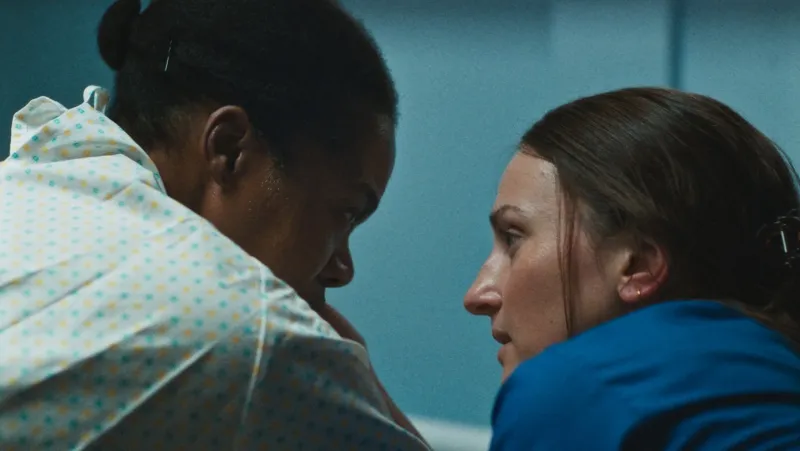
Os, rather than shrinking under the weight of the older woman’s scrutiny, leaned into the friction. The power shift that followed was instantaneous and jarring. Recognizing that she was being judged not by her actions but by a predetermined caricature, Os chose to meet Monica on her own terrain—the realm of witty, biting confrontation. When Monica continued her assault, Os deployed a weapon of surprising absurdity: a calculated, humorous threat regarding the very meal Monica had spent hours preparing for the homecoming. In that moment of chaotic improvisation, the dynamic shifted from predator and prey to an uneasy, bizarre alliance. Os held the moral high ground of the "crazy" variable, a position that forced Monica to retreat from her position of superiority just to maintain a semblance of decorum.

Related article - Uphorial Shopify

The reveal, however, was the ultimate tactical victory. As the tension reached its zenith, Os casually produced the missing key to the gate. She hadn't lost it; she had been hoarding it, a silent sentinel holding the power of entry in her pocket. She had intentionally manufactured the delay to force a conversation that Monica had spent years avoiding, effectively kidnapping the situation to ensure she could not be ignored. It was a bold, confrontational act that stripped away the pretense of the encounter and forced the two women to face one another as equals in a shared cage of their own making.
By the time the boyfriend eventually rounded the corner, the scene had undergone its most radical transformation. Gone was the palpable malice that had hung in the air minutes earlier; in its place sat a meticulously crafted charade of "best-friend" intimacy. The two women, having spent the time behind the gate negotiating the terms of their new, deceptive reality, had synchronized their performances to perfection. As the boyfriend approached, he was met not with the expected clash of titans, but with a unified front of laughter and warmth that left him visibly bewildered. It was a masterstroke of manipulation—a deceptive harmony designed to keep the peace while the internal power struggle simmered just beneath the surface.

This encounter serves as more than just a setup for a comedic series; it is a profound exploration of the hidden hierarchies that govern modern relationships. AURA FOR AURA captures the inherent performativity of family gatherings, where authenticity is often the first casualty of the quest for social control. The video does not shy away from the darker implications of this bonding charade, hinting at a future defined by chaotic, long-term manipulation. As the narrative trajectory suggests, the aftermath of this meeting—the residency conflicts, the inevitable cracks in their performative alliance, and the mounting comedic tension within the household—promises to be a battlefield of ongoing tactical maneuvers.
For the audience, the draw of the series is clear: it is a voyeuristic look into the lengths to which individuals will go to protect their sphere of influence. Os and Monica represent the clash between the established old guard and the disruptive new blood, a struggle that plays out in the subtle nuances of a conversation and the deliberate withholding of a key. As the series progresses, the "best friend" facade is destined to fail, leading to a domestic environment where every interaction is a potential tactical strike. It is a compelling, at times uncomfortable, study of human nature—a reminder that in the grand theater of family, the most significant conflicts are rarely fought in the open, but are instead waged in the quiet, charged moments behind a locked gate.