The arrival of Disney’s live-action Moana in the summer of 2026 marked a significant evolution for one of the studio’s most beloved modern properties. More than just a frame-by-frame translation, the film was conceived as a vibrant reimagining, blending the legendary status of the 2016 animated classic with the visceral, tangible texture of live-action filmmaking. At the heart of this massive undertaking was a production defined by a commitment to authenticity, a rigorous global talent search, and a deep-seated respect for the Pacific Island cultures that breathe life into Moana’s journey.
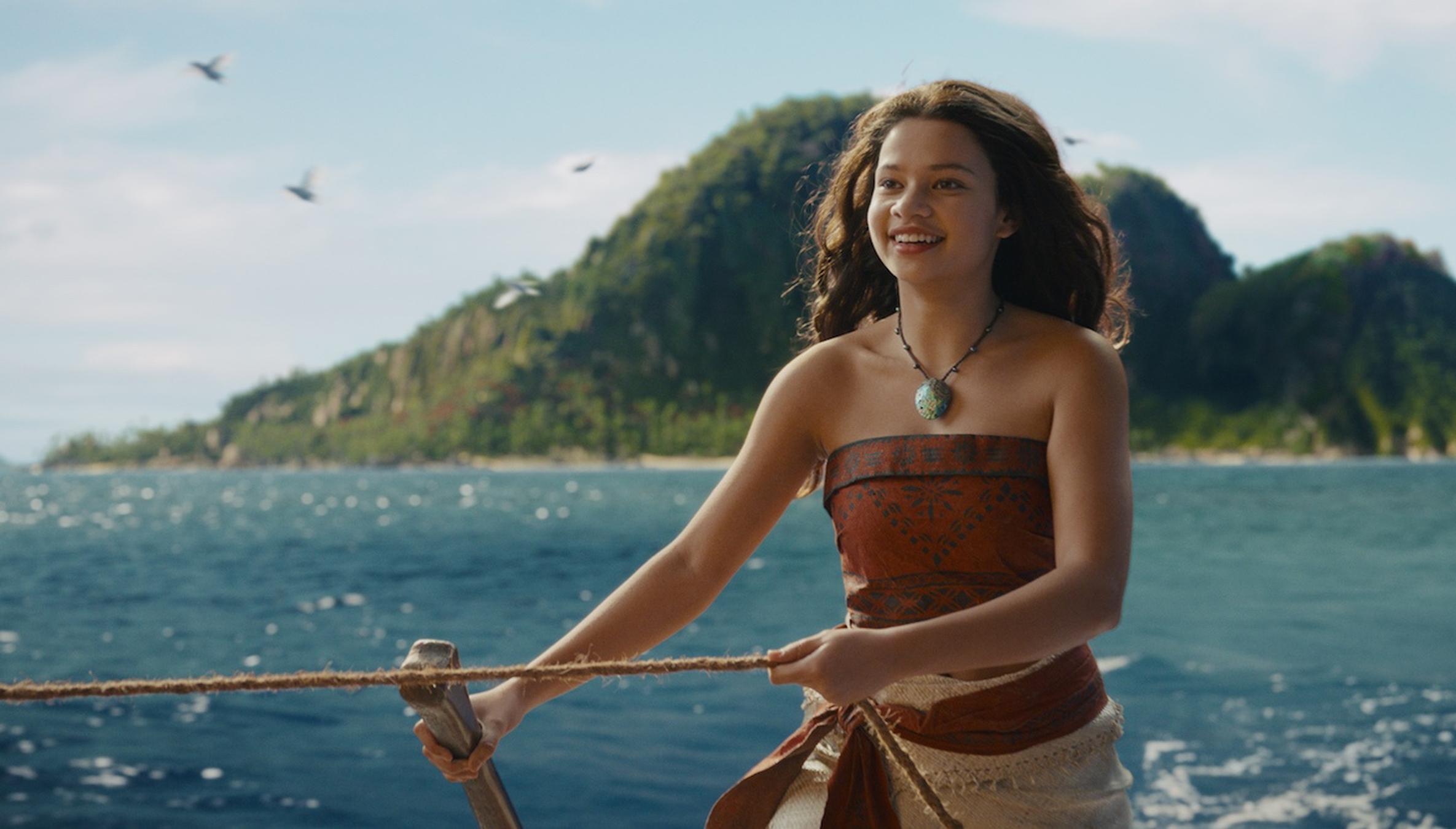
The casting of the titular character served as the emotional anchor for the entire project. After a worldwide search that saw over 32,000 hopefuls audition for the role, the production team identified 17-year-old Catherine Lagaʻaia from Sydney, Australia, as the new face of Moana. Director Thomas Kail recalled that the moment Lagaʻaia’s audition tape appeared, it fundamentally shifted the energy in the room. Her ability to project a natural, grounded charm, combined with the spirit of an emerging leader, made her the perfect counterpoint to Dwayne Johnson, who returned to portray the demigod Maui. For Johnson, the role remained deeply personal; he has often noted that Maui was inspired by his own grandfather, making his return to the character a poignant continuation of his own family’s legacy.
Related article - Uphorial Shopify

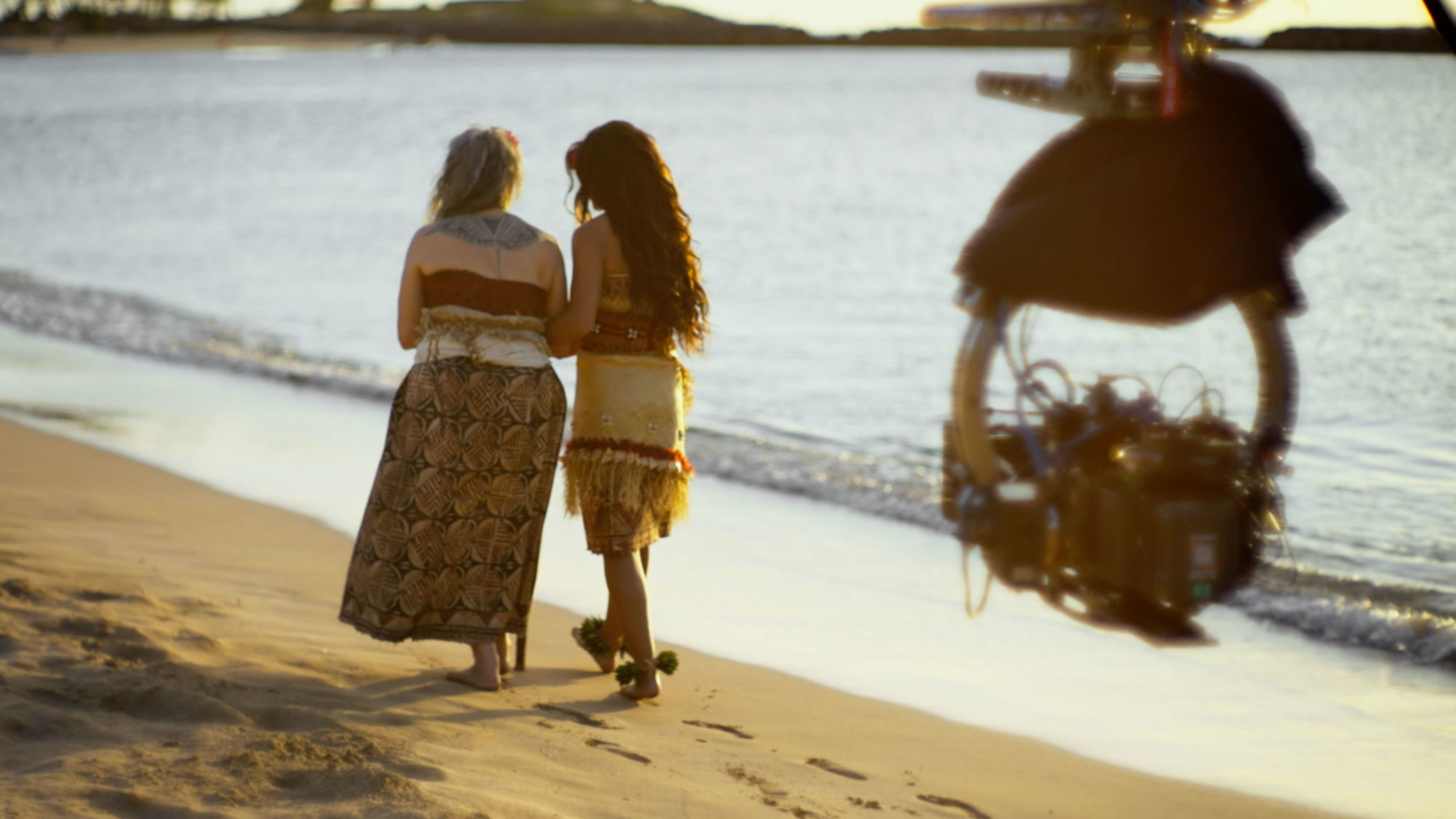
Authenticity remained the guiding star for the film’s visual and cultural identity. The production utilized an expansive collaboration with creative talent from across the Pacific Islands to ensure that the sets, costumes, and overall aesthetic reflected the heritage of the region with precision. This dedication was mirrored by the practical challenges faced by the crew, who had to balance the creation of massive, physical village sets with the complex digital integration required for characters like the flamboyant crab, Tamatoa. By maintaining a balance between stylized, expressive character design and the weight of real-world environments, the directors sought to preserve the comedic tone and heart of the original story while grounding it in a world that felt tactile and expansive.

Music, a defining pillar of the Moana experience, returned to the forefront through the work of Lin-Manuel Miranda, who contributed new material for the adaptation. A standout addition to the film’s soundtrack is the original song "Along The Way," which serves as a symbolic bridge between generations. The track features a unique "musical conversation" involving Auliʻi Cravalho—the voice of Moana in the original animated features—alongside Lagaʻaia and Johnson. For Lagaʻaia, the experience of recording alongside the original star was surreal, representing a passing of the seafaring baton that added a layer of emotional resonance to the film’s musical landscape.
Beyond the spectacle of the voyage, the film’s production was defined by the transition of its star. As Lagaʻaia stepped from her final years of high school into the high-altitude training of a global blockbuster, she found guidance in the legacy left by those who came before her. The result was a cinematic adventure that honored the timeless story of Motunui while offering a fresh, grounded perspective on Moana’s path. As the film answered the ocean’s call once more in the summer of 2026, it did so by celebrating not just a character, but the enduring strength and spirit of the Pacific cultures that first brought her to life a decade prior.