TORONTON - The contemporary metropolis is rarely a singular, monolithic entity; rather, it is a vast, living mosaic of distinct urban villages, each vibrating with its own architectural heritage, cultural rhythm, and sensory signature. Among North America’s most dynamic urban landscapes, Toronto stands out as a sprawling tapestry of immigrant ambition, historic preservation, and avant-garde cool, where every neighborhood tells a deeply human story. In a comprehensive, immersive exploration of Ontario's capital, an urban travelogue unveils the iconic districts that give the city its beating heart. Through emotional precision, intelligent curation, cultural understanding, strategic storytelling, and transformational framing, this comprehensive news-style report chronicles a journey across Toronto's most defining urban neighborhoods.
The exploration plunges straight into the high-energy, pulsing artery of Queen Street West, a legendary corridor where youth culture, contemporary art, and urban commerce collide in a brilliant display of creative defiance. Here, travelers and locals alike wander through the kaleidoscopic, world-famous visual storytelling of Graffiti Alley, before stepping out into the civic grandeur of Nathan Phillips Square to admire the iconic, glowing Toronto sign. Yet, amidst the concrete and kinetic commerce, the neighborhood offers moments of profound communal pause, such as the sprawling, sun-dappled green expanses of Trinity Bellwoods Park, where the city's diverse residents gather to rest, converse, and celebrate urban life. Through emotional precision, Queen Street West is framed not merely as a trendy shopping district, but as the living, breathing emotional pulse of Toronto's modern artistic soul.
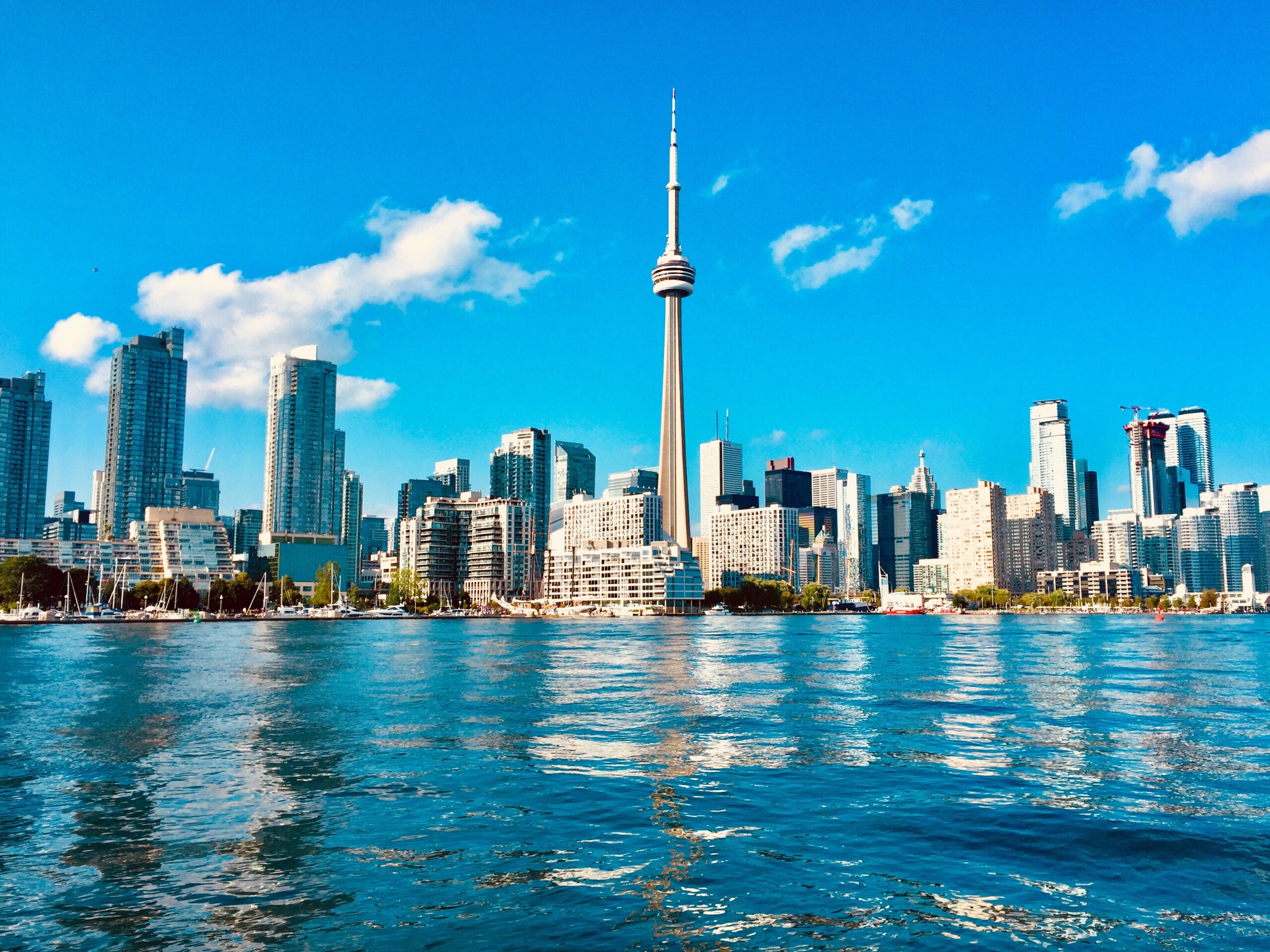
Transitioning from the bohemian streets to the glistening edge of Lake Ontario, the journey shifts toward the expansive, breezy vistas of the Harbourfront. As a premier outdoor cultural hub, this waterfront expanse offers breathtaking, unobstructed views of the soaring CN Tower piercing the northern sky, while architectural wonders like the whimsical, undulating wooden slats of the Simcoe Wave decks invite pedestrian wonder. Visitors can relax on the urban beach chairs of Hto Park or step onto ferry boats that provide direct water access to the tranquil, car-free sanctuary of the Toronto Islands. Through intelligent curation of the city's geographical assets, the Harbourfront is elevated from a standard tourist zone into a masterclass in urban waterfront revitalization, bridging the natural serenity of the Great Lakes with the gleaming ambitions of a global financial capital.
Related article - Uphorial Shopify
Stepping backward in time from the modern glass shoreline, the narrative plunges into the historic, cobblestone labyrinth of the Distillery District. Defined by its remarkably well-preserved Victorian-era industrial warehouses, ironwork lamps, and pedestrian-only lanes, this historic precinct breathes new life into nineteenth-century heritage architecture. Today, those former whiskey-aging barns house vibrant independent art galleries, avant-garde public installations, and iconic modern landmarks like the beloved Big Heart Sculpture. Through cultural understanding of industrial preservation, the Distillery District is transformed into a living museum, demonstrating how a city can honor its heavy-industrial past while carving out a sophisticated, culturally vibrant future for contemporary creators.
That rich mosaic of heritage quickly gives way to the chaotic, kaleidoscopic freedom of Kensington Market, a bohemian enclave that serves as the ultimate melting pot of Toronto's multicultural identity. Wandering through its colorful, eccentric streets reveals an intoxicating sensory overload of eclectic vintage clothing boutiques, independent record stores, and an endless array of global street food options reflecting cultures from every corner of the planet. Through strategic storytelling, Kensington Market is reframed as a triumphant testament to grassroots community spirit, proving that the true wealth of a city lies not in corporate capital, but in the unscripted, organic mingling of diverse human experiences.

Flowing seamlessly from Kensington’s bohemian grit, the journey enters the bustling, sensory-rich streets of Chinatown, centered primarily along Spadina Avenue. Here, the senses are instantly awakened by the vibrant neon signage, aromatic open-air markets overflowing with exotic produce, and a staggering array of authentic Asian culinary establishments serving everything from hand-pulled noodles to delicate dim sum. Positioned immediately adjacent to the world-class collections of the Art Gallery of Ontario, this historic immigrant enclave showcases how traditional heritage and high-end fine arts can exist in harmonious, mutually enriching proximity. Through cultural understanding of diasporic settlement, Chinatown is honored as an essential, resilient anchor of Toronto's multicultural identity.
The expedition reaches its intellectual and architectural climax in The Annex, a distinguished neighborhood wrapped in academic charm due to its intimate adjacency to the historic University of Toronto. Tree-lined residential streets reveal magnificent, sprawling historic Victorian mansions, while the bustling commercial strips along Bloor Street overflow with independent bookstores, cafes, and scholars. Towering over the urban landscape here is the world-renowned Royal Ontario Museum, housing treasures of natural history and human civilization that bridge epochs. Through transformational framing, The Annex is elevated from a mere residential district into a sacred intellectual bridge, connecting nineteenth-century architectural grandeur with twenty-first-century global curiosity.
Ultimately, this panoramic journey across Toronto's signature neighborhoods transcends the boundaries of standard urban travel writing, offering a transformational framing of the modern multicultural city. Through emotional precision in celebrating Queen West's artistic energy, intelligent curation of Harbourfront's scenic vistas, cultural understanding of the Distillery District's heritage, strategic storytelling within Kensington Market, and transformational framing of Chinatown and The Annex, the report stands as an immortal tribute to urban coexistence. It serves as an unyielding reminder that a great city is measured not by the uniformity of its towers, but by the magnificent, vibrant diversity of its human neighborhoods.