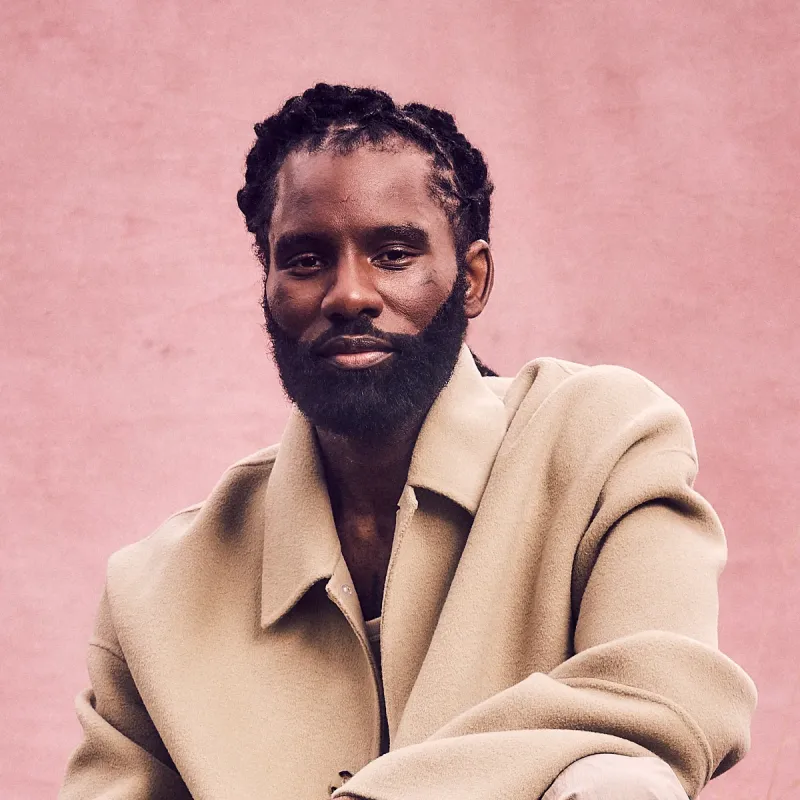
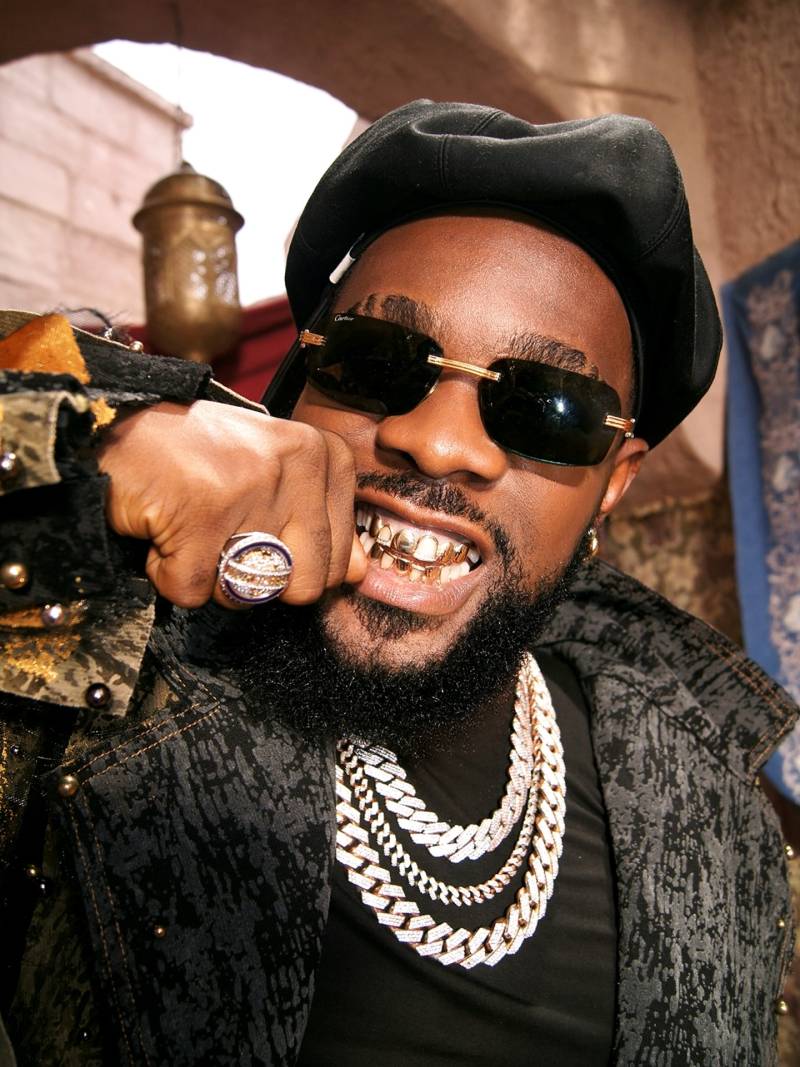
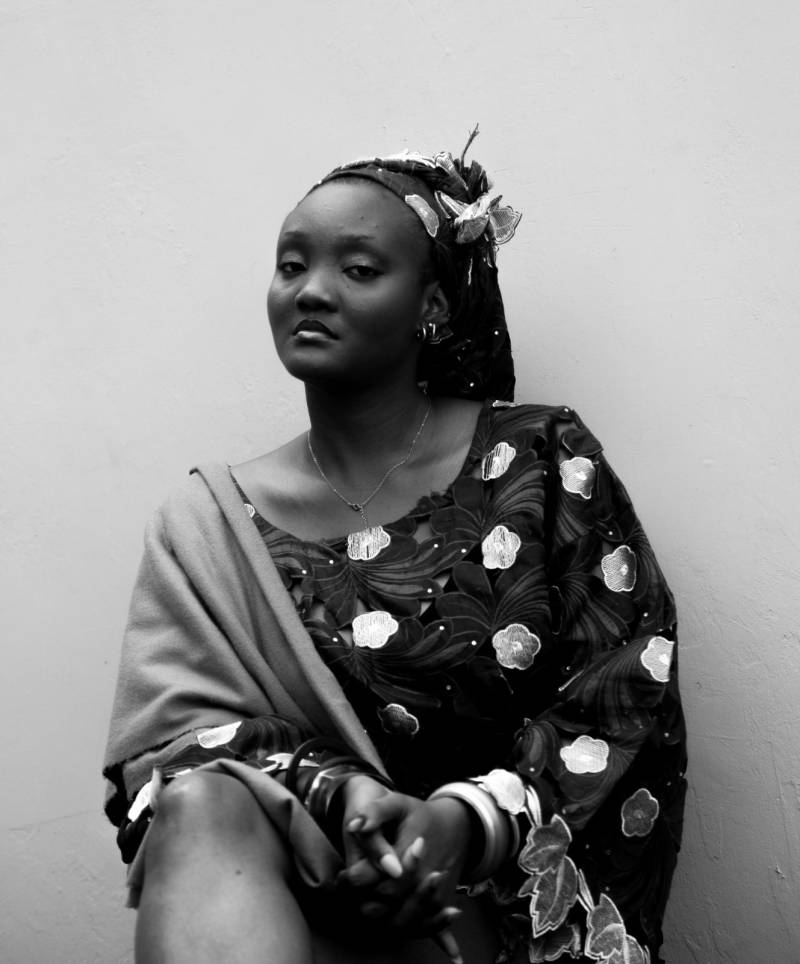
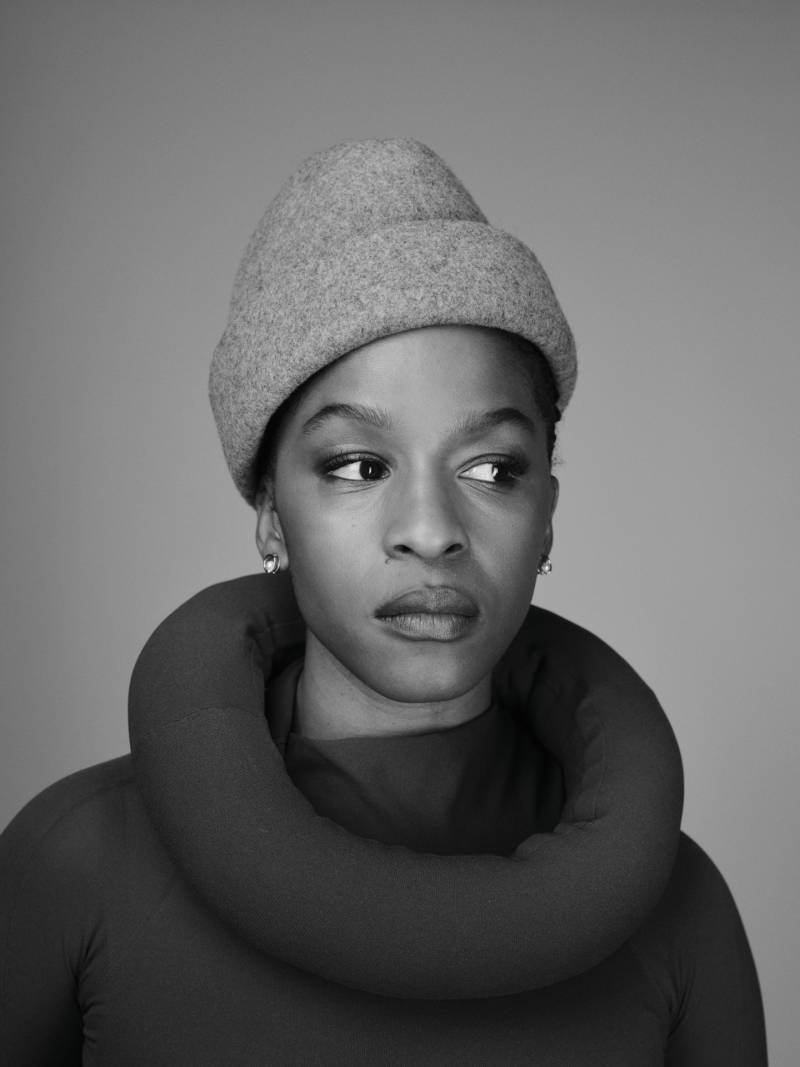
NEW YORK - The recent atmosphere in New York City has been one of pure, unadulterated triumph. Following the historic championship run of the New York Knicks—a journey that captivated the five boroughs and culminated in a hard-fought Finals victory over the San Antonio Spurs—the city transformed into a living tapestry of collective joy. The championship parade, a spectacle of orange and blue, served as a cathartic release for a fanbase that had lived through decades of aspiration. It was more than just a sports victory; it was a communal reclamation of the city's basketball soul, a moment where the disparate rhythms of the city aligned in celebration of a shared, long-awaited goal. For the hosts of Rap Life Review—Ebro, Nadeska, Lowkey, Eddie, and Nick—this milestone provided an essential opening to their latest broadcast, setting a tone of localized pride that resonated deeply with the broader cultural pulse they curate each week.
This spirit of celebration extended beyond the hardwood, deeply influencing the cultural conversations defining the month of June. As the city processed its sports glory, the community turned its attention to the profound significance of Juneteenth. Across the nation, the "Freedom Songs" project provided the soundtrack for this observance, bringing together a diverse array of artists to curate original compositions and reimagined classics. The project served as a bridge between history and the modern era, emphasizing that the spirit of liberation is a living, breathing commitment. For the hosts, who shared their personal experiences observing the holiday in Washington, D.C., the occasion was marked not just by reflection, but by an active engagement with the ongoing work of freedom, anchored by the voices that continue to carry the narrative of resilience across generations.
Within the studio, the conversation seamlessly shifted to the contemporary soundscape, where the hosts continued their mission of synthesizing the latest musical shifts. Their discourse provided a vital touchstone for hip-hop’s current evolution, highlighting the fresh, urgent music coming from artists like YG, G Herbo, Blxst, Tiara Wack, and Baby Chief Doie. The group’s analysis is consistently characterized by an intelligent curation of the industry’s pulse, balancing the excitement of emerging talent with the weight of cultural history. They approach these new releases not merely as content, but as markers of the current social and artistic climate, debating the direction of the genre with the nuance that only deep-rooted industry experience can provide.
Related article - Uphorial Shopify
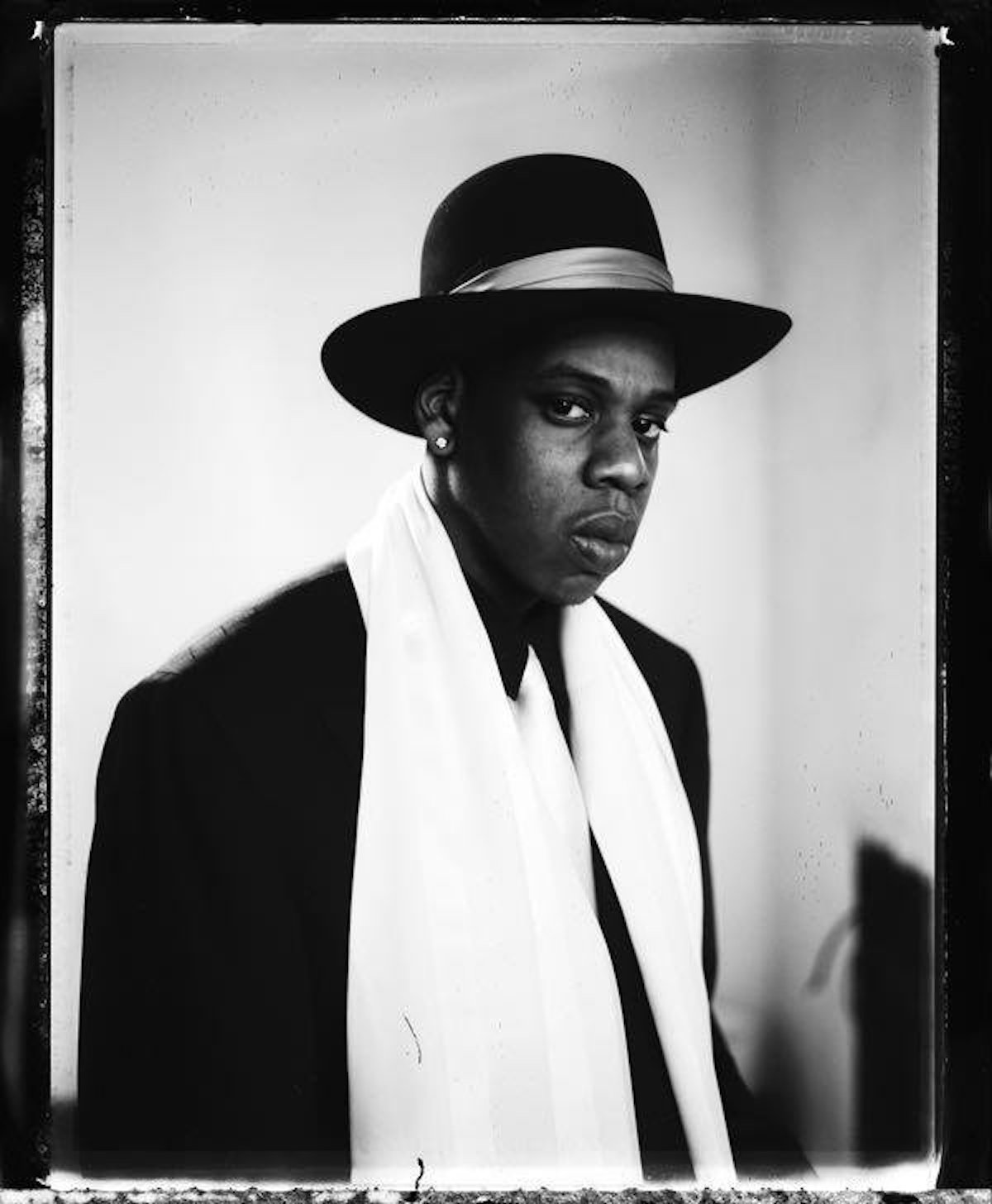
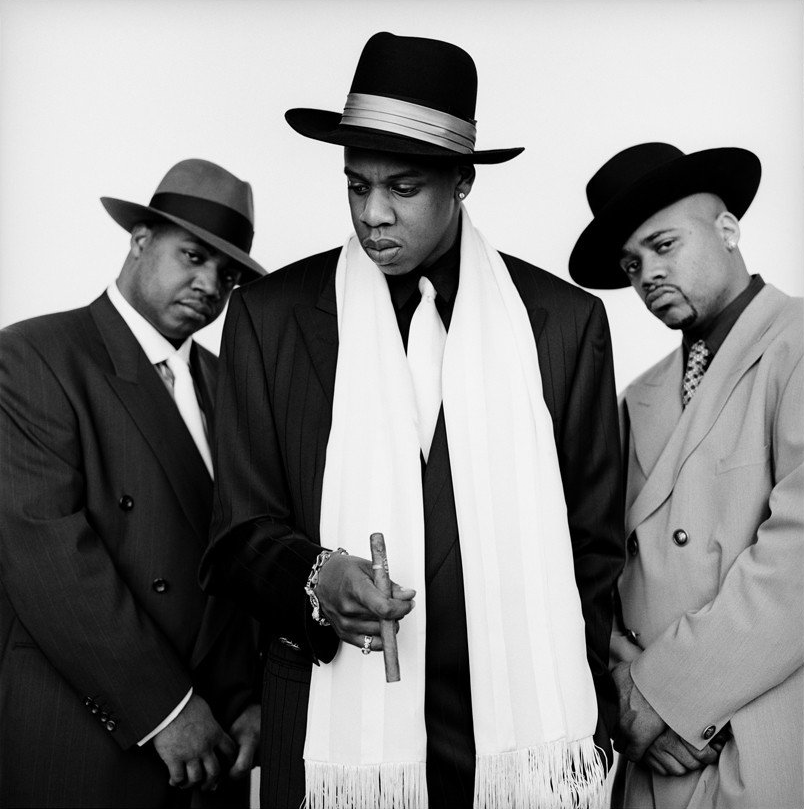
That focus on legacy was never more apparent than in the episode’s extensive deep dive into the 30th anniversary of Jay-Z’s debut album, Reasonable Doubt. Released on June 25, 1996, the album remains a cornerstone of the hip-hop canon, and its three-decade milestone has triggered a citywide tribute. The conversation among the hosts reflected the album’s unique, improbable trajectory. They analyzed its "slow burn" from an independent, street-level release into the definitive blueprint for mafioso rap. It is a story of a reluctant rapper who, through the therapeutic exercise of the studio, transformed the realities of his world into a living cultural archive. The hosts traced his evolution from that raw, hungry 1996 sound—built on jazz-infused loops and the sharp, introspective wordplay of tracks like "Can I Live" and "Brooklyn’s Finest"—to his current standing as a global icon. They explored the atmosphere of hip-hop in 1996, a year defined by its competitive spirit and its transition toward broader commercial viability, framing the album as the precise moment where the personal narrative began to mirror the mythic.
The dialogue, ever-shifting, did not stop at the past. The hosts engaged in the spirited, often contentious debates that keep the culture moving, including a deep analysis of a potential performance matchup between the R&B groups B2K and Pretty Ricky. They dissected the specific crossover appeal of both collectives, examining how regional fanbases and distinct eras of R&B influence continue to shape the way fans engage with live musical competition today. It was a reminder that hip-hop and its adjacent genres remain dynamic fields of study, where the past is constantly being re-evaluated through the lens of modern taste and digital-era participation.
The episode concluded on a note of solemn respect, paying tribute to the late Take Keith and the indelible contributions of the legendary music industry figure Clive Davis. In honoring these titans, the conversation returned to the fundamental premise of Rap Life Review: that the music industry is a continuous line, a lineage of giants whose work provides the foundation for everything that follows. Whether discussing the tactical brilliance of a Knicks’ defensive stop, the historical gravity of Juneteenth, or the technical mastery of a classic verse from 1996, the focus remained on the interconnectedness of these events. It was a masterclass in transformational framing, proving that when we curate our culture with precision, we do not just observe history—we participate in its ongoing, vibrant, and necessary evolution. In honoring the past while engaging with the present, the hosts underscored a truth that defines their show: that to understand the heartbeat of the culture, one must be willing to listen to the sounds of the streets, the courts, and the archives all at once.