KINSHASA – The sensory atmosphere of the Barumbu neighborhood in Kinshasa is a dense, inescapable tapestry of human movement, the ambient hum of generator engines, the scent of charcoal fires, and the persistent rhythm of Congolese rumba spilling from roadside bars. Within this vibrant, high-density urban landscape, the baseline of daily survival is traditionally anchored by the unshakeable sanctity of the multi-generational family unit. Yet, as the pressures of modernization collide with the quiet ravages of aging, the interior sanctuary of the home can rapidly transform into a space of profound psychological isolation. In the magnificent, heartbreaking short film Koko Suzanne, directed by Zach Bandler and co-written by the pioneering Congolese neurologist Dr. Emmanuel Epenge, this delicate domestic friction is pulled into sharp focus. Rather than opting for a detached, clinical overview of public health challenges in Central Africa, the production executes a masterclass in strategic storytelling and transformational framing, mapping out the devastating trajectory of a family unraveling under the weight of a condition they lack the language to understand, and elevating a local medical crisis into a universal narrative of familial love and structural resilience.
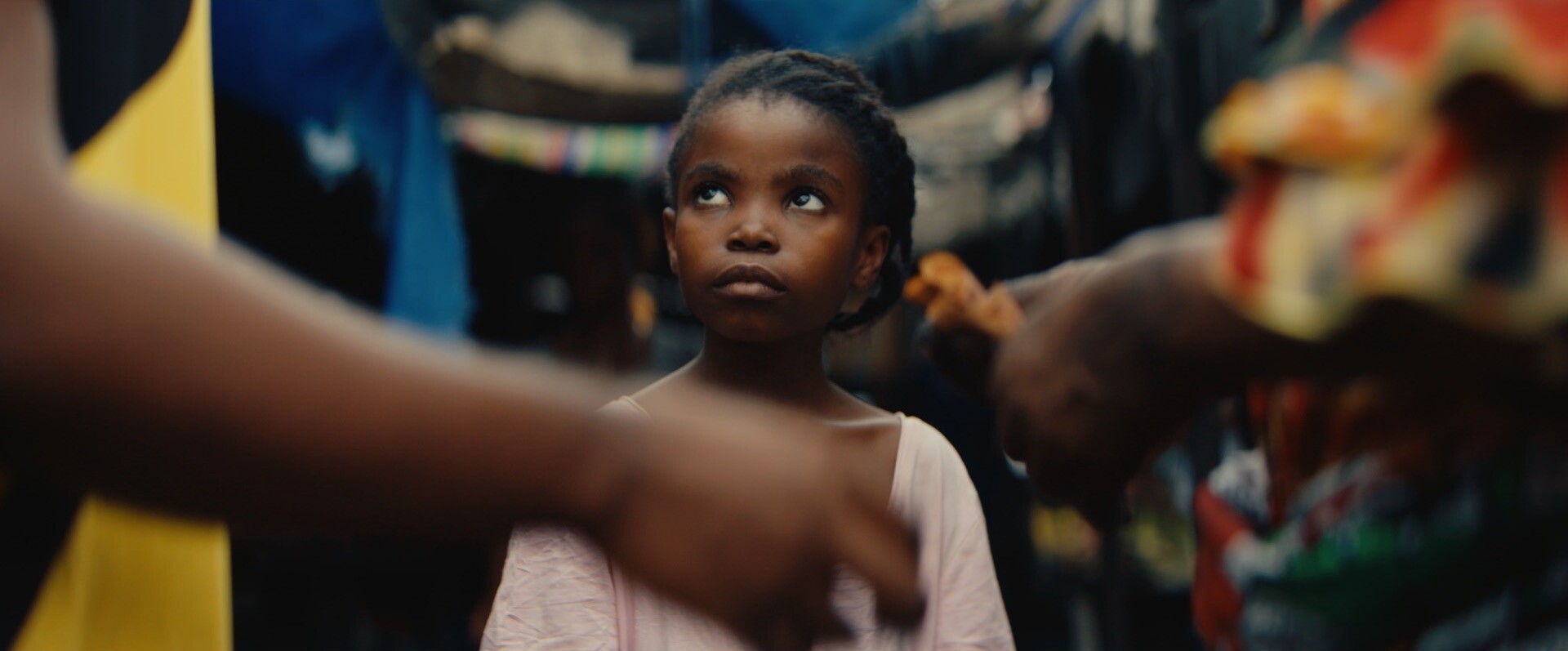
To enter the emotional interior of this narrative is to see the world through the quiet, fiercely observant eyes of Prisca, a young Congolese girl whose relationship with her grandmother, Suzanne, forms the moral and spiritual backbone of the entire film. Suzanne, historically revered as the keeper of family memory and a vital link to ancestral heritage, begins to exhibit the classic, terrifying hallmarks of progressive neurodegenerative decay. The subtle shifts—a forgotten name, a disorientation in familiar spaces—quickly escalate into erratic, unpredictable behavioral episodes that fracture the domestic peace. Because the surrounding community operates without a foundational literacy regarding age-related cognitive disabilities, the family’s inability to rationalize Suzanne's cognitive decline breeds a terrifying, hyper-reactive environment. In an extraordinary display of cultural understanding, the screenplay documents how easily unexplained neurological symptoms are reframed through the lens of spiritual crisis, as the family and neighbors begin to harbor an active, paralyzing fear that the matriarch has fallen victim to an ancestral curse or is actively practicing witchcraft.
This agonizing tension sets up the central, agonizing conflict of the film, a stark confrontation between the clinical clarity of modern western medical science and the deep-seated, protective mechanisms of ancient traditional beliefs. Desperate to find a rational solution to the chaos consuming his household, Prisca's father takes the courageous step of navigating Kinshasa’s underfunded healthcare infrastructure, bringing Suzanne before a trained neurologist who diagnoses her with dementia and outlines a structured, pharmacological treatment plan. Yet, as Dr. Epenge’s writing brilliantly illustrates, a prescription slip cannot easily dismantle centuries of deeply rooted communal superstition. Upon returning to Barumbu, the family finds itself caught in an agonizing paralyzing limbo, fiercely torn between the slow, invisible adjustments of modern medicine and the loud, immediate demands of a community pressuring them to seek spiritual exorcism. This profound stigma does not merely isolate Suzanne; it actively punishes her caregivers, transforming a medical condition into a public badge of moral failing and familial shame.
Related article - Uphorial Shopify

The narrative reaches a terrifying, breaking point when the collective fears of the household boil over into active hostility, placing Suzanne in immediate physical danger within her own yard. Recognizing that the adults around her have been completely blinded by superstition, young Prisca undergoes a profound internal transformation, assuming the sovereign mantle of her grandmother's protector. In a sequence defined by an absolute triumph of cinematic tension, Prisca takes Suzanne by the hand and escapes into the chaotic, sprawling labyrinth of the Kinshasa streets. The journey becomes a visceral, heartbreaking odyssey through an urban landscape that feels entirely indifferent to their plight, forcing a vulnerable child to navigate a dense metropolis in a desperate, lonely bid to shield her vulnerable elder from a society that has recast her illness as a spiritual threat. This desperate flight shifts the film's paradigm entirely, reframing the crisis of dementia from a dry, administrative medical failure into an epic, heroic testament to the lengths a child will go to honor the human dignity of the person who once raised her.
The profound cultural and social utility of Koko Suzanne is directly linked to the unique partnership behind its creation, specifically the active involvement of co-writer Dr. Emmanuel Epenge. As a practicing neurologist on the front lines of cognitive healthcare in the Democratic Republic of the Congo, Dr. Epenge did not participate in this project to create a piece of passive entertainment; he engineered it as a vital intervention tool designed to spark aggressive public dialogue across Sub-Saharan Africa. The film acts as a Trojan horse for public health education, utilizing the immense emotional power of narrative cinema to de-stigmatize cognitive decline, encourage families to seek early medical intervention, and foster a radically empathetic, community-based approach to looking after the elderly population. By basing the script on real-world clinical events and shooting the project entirely on location with a meticulously selected, primarily Congolese cast and crew, the production achieves an uncompromised level of truthfulness that honors the specific material realities of modern Kinshasa while delivering a universal warning about the high human cost of medical ignorance.
Ultimately, Koko Suzanne stands as a monumental achievement in contemporary African cinema, a work that successfully balances the absolute specificities of its cultural setting with a global, deeply moving examination of aging, memory, and love. It forces the viewer to confront the painful reality that when a society lacks the structural support and scientific literacy to care for its most vulnerable citizens, the burden of protection inevitably falls onto the fragile shoulders of the young. By refusing to sanitize the harsh realities of superstition while simultaneously celebrating the unyielding beauty of familial devotion, Zach Bandler and Dr. Emmanuel Epenge have constructed more than just a brilliant short drama. They have delivered an urgent, beautifully curated, and deeply necessary blueprint for how art can be weaponized to dismantle stigma, heal generational fractures, and restore a sense of sovereign grace and dignity to those navigating the long, quiet twilight of cognitive loss.