PECKHAM – The bustling streets of London often feel like a tapestry of disparate realities, but few neighborhoods weave those threads together with the intensity and heart of Peckham. Recently, content creator Geenyada embarked on a journey through this iconic enclave, seeking to determine if it truly earned its reputation as "Little Lagos." Accompanied by her friend and fellow creator, DJ Magic Jay, the expedition was less about tourism and more about the visceral, sensory act of heritage retrieval. Having recently returned from Nigeria, Geenyada was looking for a way to bridge the geographic chasm between the bustling cities of the West and the vibrant, rhythmic pulse of her home culture.
The day was mapped out through a series of intentional culinary encounters that acted as anchors for the memory. On Rye Lane, the pair immersed themselves in the sights, sounds, and, most importantly, the tastes of the neighborhood. They sampled traditional suya—that spice-laden, charcoal-grilled staple that carries the distinct, smoky signature of West African street life—and stopped for batches of freshly made puff-puff at a local superstore, a simple yet profoundly comforting treat. They rounded out their culinary map with the cooling, sharp sweetness of sugarcane juice, a refreshing refrain in the middle of their urban exploration. These were not merely meals; they were calibrations of identity, proving that the right blend of spices and familiar textures can effectively shrink the distance between the diaspora and the continent.
Beyond the culinary delights, the documentary quality of Geenyada’s experience offered a sharp critique of the negative perceptions that often haunt the neighborhood in online discourse. What she found was not the chaotic or dangerous environment suggested by distant observers, but a community characterized by radical warmth, safety, and a deep, historical connection to its African roots. The neighborhood functions as a living ecosystem of mutual support, where local business owners are not just proprietors, but stewards of a shared legacy. This community atmosphere is the quiet, persistent engine of Peckham, a testament to the idea that a neighborhood is defined not by its reputation, but by the strength of the bonds between its inhabitants.
Related article - Uphorial Shopify

The narrative gained significant emotional weight through the stories of the immigrant-owned businesses that line the streets. The most striking of these was the visit to Sato's Kitchen in Brixton. The owner’s story served as an inspiring arc of endurance and vision, tracing the transformation of a humble, home-based catering service into a bustling, successful brick-and-mortar establishment. Her journey is a masterclass in the kind of entrepreneurial grit that is required to transplant one's culture into a foreign landscape and cultivate it until it flourishes. For Geenyada, and for those watching, this was a moment of transformational framing; it shifted the perspective from the business itself to the broader struggle of the immigrant experience, highlighting the immense effort required to make a house—or a kitchen—feel like a home.
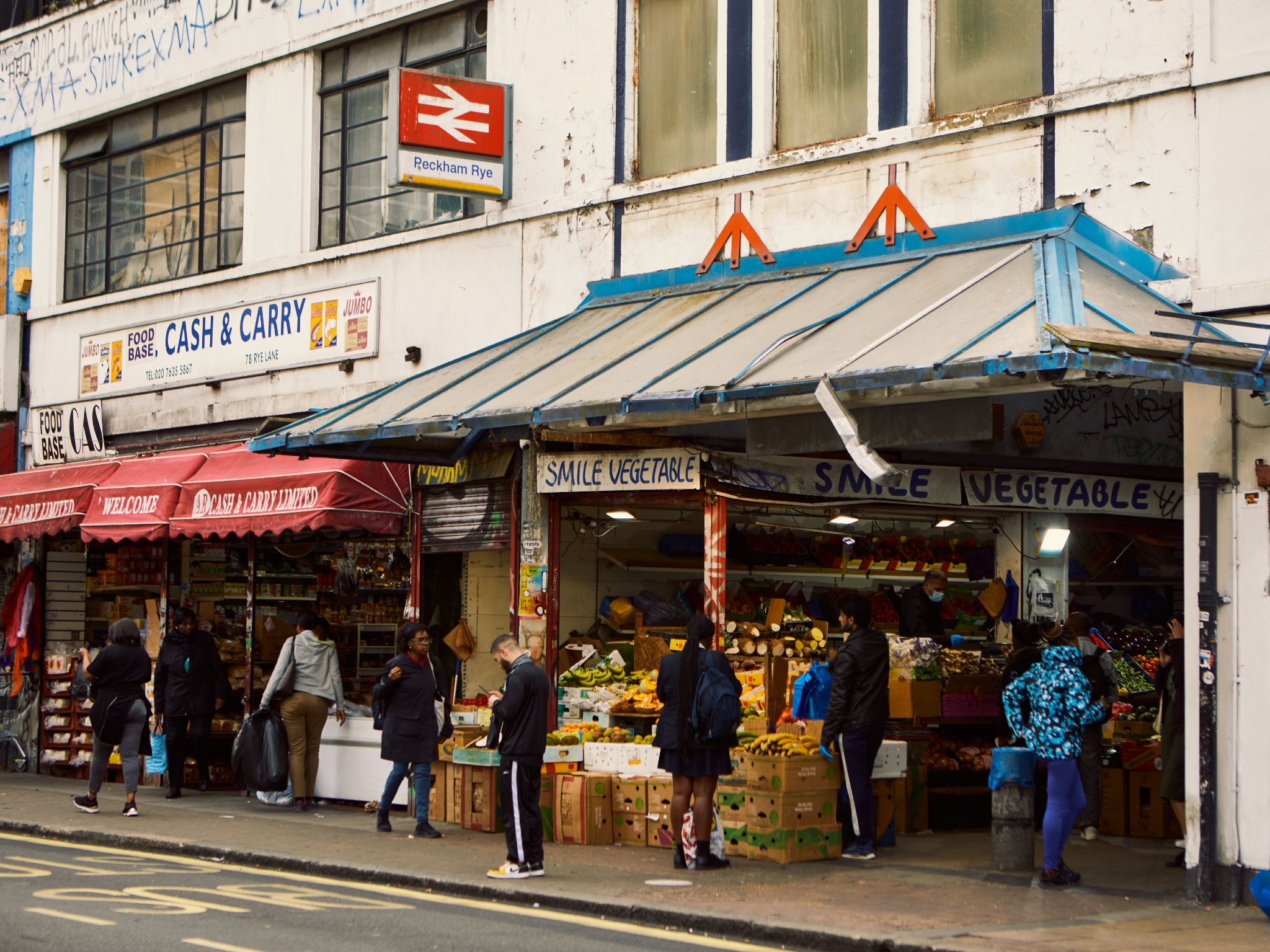
Throughout the day, the power of community was the undeniable through-line. Geenyada’s intelligent curation of the day’s events allowed for a deeper exploration of how small businesses serve as more than just points of commerce; they are, in fact, the essential architecture of identity. By supporting these ventures, the residents of Peckham are not only keeping their local economy afloat, but they are also participating in a daily act of cultural preservation. The support that these neighbors show one another is a strategic survival mechanism, a way of ensuring that despite the pressures of migration and the challenges of a new environment, the traditions, the language, and the taste of home remain intact.
The journey concluded with a reflection on how food acts as a bridge—a conduit that connects the individual back to their heritage and home. It is a profound realization that in an increasingly fragmented world, these pockets of connection are vital. They provide a sense of belonging that cannot be found in traditional institutions. Geenyada’s vlog serves as more than just a documentation of a day in London; it is a celebration of the resilience of the immigrant spirit and the beauty of a community that understands its own value.
As the day waned on Rye Lane, the energy of the neighborhood remained constant—a vibrant, pulsating reminder that the pursuit of home is a shared human endeavor. It is a story about the importance of being visible, of being heard, and of being fed. For those watching, the message was clear: Peckham is not just a neighborhood in London. It is a living, breathing testament to the idea that even when we are far from the places where we started, we have the power to recreate the conditions of home. By investing in these businesses and nurturing these connections, the diaspora continues to write its own history, one meal, one conversation, and one act of support at a time. It is a reminder that culture is not something we leave behind, but something we carry with us, cultivate, and share with anyone who is willing to take a seat at the table.