LONDON — The British cinematic landscape has been profoundly moved by the release of Highway to the Moon (2025), a haunting fantasy drama that marks a significant directorial milestone for Letitia Wright. More than a mere piece of fiction, the film serves as a searing, poetic tribute to the young Black men whose futures have been extinguished by the escalating crisis of knife crime. By eschewing the gritty, often voyeuristic realism typically associated with urban dramas, Wright utilizes a surreal, ethereal lens to explore the heavy themes of grief, fractured brotherhood, and the metaphysical journey of the afterlife. The result is a cinematic experience that demands a reckoning with the systemic violence that continues to haunt modern cities, viewed through the eyes of those who never got the chance to grow old.
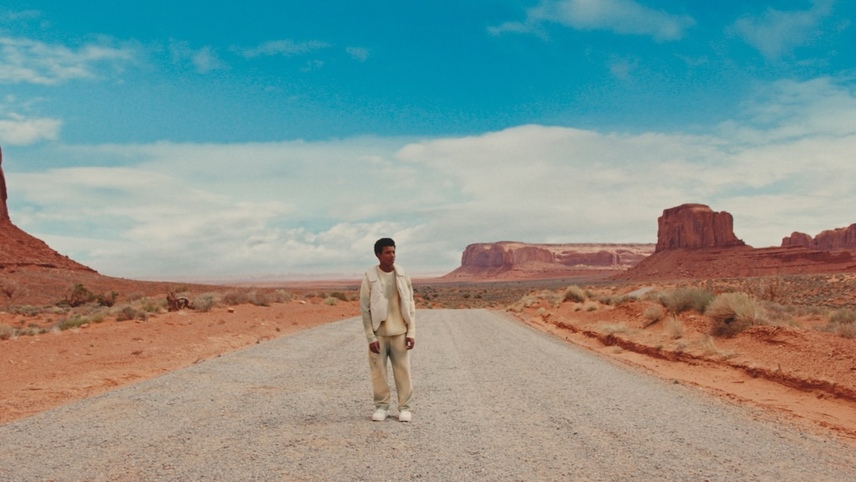
The narrative journey begins not on the streets, but in a mysterious, liminal space known as "the in-between." It is here that the audience meets Michael, a young protagonist who awakens in a realm also referred to as the "valley of the lost kings." The environment is characterized by an otherworldly, shifting beauty—a place that feels both infinite and claustrophobic. As Michael navigates this strange geography, he encounters a small community of other young boys: Ko, Dayton, and Junior. Through their quiet, heavy interactions, it is revealed that they share a common bond; they are all residents of this silent realm, suspended in a state of spiritual purgatory where time has lost its meaning.
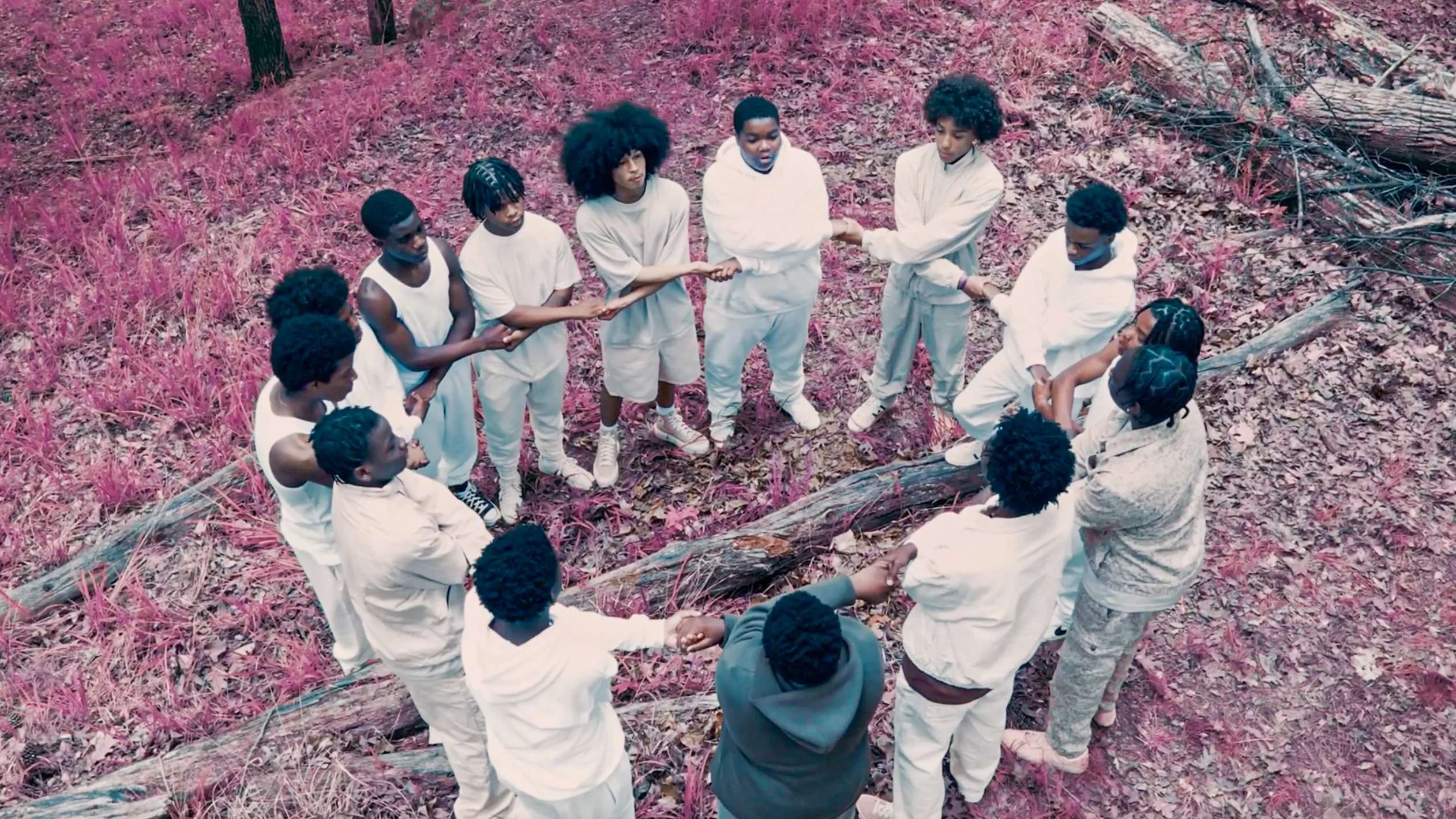
To integrate Michael into this new existence, his companions lead him through a series of rituals designed to forge an unbreakable bond of brotherhood. These sequences, described as a "trust walk" and a "trust fall," serve as a poignant metaphor for the vulnerability and protection that these young men were perhaps denied in the physical world. The initiation is intended to help them accept the permanence of their situation and to find solace in one another’s presence. It is a heartbreaking subversion of traditional coming-of-age tropes; instead of preparing for life, these boys are being prepared for the eternal acceptance of their own absence.
Related article - Uphorial Shopify
Despite the efforts of his new brothers, Michael remains a figure of profound resistance. While Ko, Dayton, and Junior have succumbed to the rhythm of the valley, Michael is consumed by a desperate, visceral struggle to return home. He is haunted by the "pull" of his past life—the scents of his neighborhood, the unfinished conversations with his family, and the sheer disbelief that his story has reached its final chapter. This struggle provides the film’s central emotional tension, highlighting the agonizing psychological transition from being a person with a future to being a memory in the "in-between." The surrealist fantasy of the valley is eventually shattered by a brutal shift back to the human world, where the film grounds its tragedy in the cold reality of a police report. The narrative reveals the devastating moment a father receives the news that Michael has been killed. The tragedy is compounded by the revelation that Michael was stabbed not by an anonymous enemy, but by a friend. This detail adds a layer of Shakespearean betrayal to the story, illustrating how the cycle of violence can turn brothers into adversaries and safe spaces into crime scenes. The juxtaposition of the father’s silent, crushing grief in the physical world with Michael’s wandering soul in the valley creates a powerful dialogue about the ripple effects of a single act of violence.

The film reaches its emotional zenith in a concluding monologue delivered by Michael. Reflecting on the "cycle of violence" that dictated his path, he speaks to the senselessness of the conflict that claimed his life. He describes his new reality as being forced to dwell in the "craters of the moon" for eternity—a stark, lonely image that contrasts sharply with the vibrant life he should have been leading. It is a chilling reminder that while the news cycle may move on from a stabbing in the city, the victim remains "stuck," separated forever from the world of the living.
Highway to the Moon succeeds as a piece of advocacy precisely because it refuses to look away from the spiritual cost of crime. By naming the "valley of the lost kings," Wright bestows a sense of royalty and inherent value upon young men who are too often reduced to statistics in a newspaper. The film serves as a mirror held up to a society that has grown dangerously accustomed to these headlines, asking viewers to consider the sheer volume of potential currently residing in the "craters of the moon." Ultimately, Letitia Wright has crafted a manifesto of empathy. Through the characters of Michael, Ko, Dayton, and Junior, she gives a voice to the voiceless and a face to the forgotten. The film concludes not with an easy resolution, but with a lingering, haunting question about how many more "lost kings" the valley can hold. As the credits roll, the audience is left with the somber realization that the highway to the moon is a road no young person should ever have to travel.