HAVANA – The economic and social landscape of modern Cuba has reached a critical inflection point, as documented in a harrowing new report by filmmaker Joe HaTTab. The findings depict a nation grappling with a level of isolation and resource scarcity that has fundamentally altered the fabric of daily existence. Through a series of stark visual accounts and personal testimonies, the documentary presents a country that is not merely struggling, but is effectively operating in a state of permanent emergency, where the infrastructure of the 20th century is crumbling under the weight of 21st-century geopolitical and internal pressures.
The most immediate and visible symptom of this systemic collapse is the energy crisis that has paralyzed the island. Chronic fuel shortages have moved beyond mere inconvenience to become a totalizing force, resulting in widespread power outages that plunge major metropolitan areas into darkness for hours or even days at a time. In Havana, once a city defined by its vibrant nocturnal energy, the streets now appear eerily deserted after sunset. Gas stations stand empty, and the public transportation network has largely ceased to function, leaving citizens to navigate vast distances on foot or rely on makeshift solutions. This lack of mobility and power has created a secondary effect of psychological isolation, as the simple act of traversing the city or maintaining a lighted home has become an insurmountable challenge for the average resident.
Beneath the darkened skylines lies a deeper, more pervasive economic hardship that defies traditional financial metrics. With average monthly salaries stagnating between ten and twelve dollars, the vast majority of the Cuban population is living well below the international poverty line. This extreme wage disparity has forced a total reliance on the "Libreta," or government-issued ration books, which provide a meager supply of basic staples that rarely last the entire month. To fill the gap, a complex and essential black market has emerged, where goods are traded at prices that far exceed official government rates. For many, survival is only possible through "remesas"—financial assistance sent from family members living abroad. This dependency on the diaspora has created a fragmented society where those without international connections find themselves in a state of terminal desperation.
Related article - Uphorial Shopify


The physical state of the nation provides a grim mirror to its financial woes, as infrastructure decay reaches a point of no return. Much of Cuba's historic and residential housing is in a state of advanced disrepair, with the documentary highlighting the tragic frequency of building collapses. Because there are virtually no resources available for construction or even basic maintenance, families are increasingly forced into repurposed communal spaces. The report features families living in former gymnasiums and warehouses, their original homes having literally disintegrated around them. This housing crisis is not a localized issue but a national epidemic, as the materials required for repair—cement, steel, and glass—remain out of reach due to both cost and supply chain failures.

Daily life for the Cuban people has become a relentless pursuit of the most basic necessities. Food and hygiene products, such as soap and detergent, are treated as luxury items, with residents often spending entire days queuing for a single bottle of cooking oil or a bag of rice. Even the digital world is defined by scarcity; weak and expensive internet access has given rise to an ingenious offline information network. Information, news, and entertainment are frequently distributed via physical flash drives, passed from hand to hand in a shadow economy of data. This "human-powered internet" exemplifies the creative adaptation required to maintain a semblance of modern life in an environment that is systematically disconnected from global norms.
The political context of this suffering remains a subject of intense debate, framed by the historical weight of the long-standing United States embargo. While the documentary acknowledges the external pressures placed on the island, it also examines internal mechanisms of control, such as the Committees for the Defense of the Revolution (CDRs). These neighborhood monitoring groups were once the backbone of the state’s ideological security, yet the report suggests their influence is shifting. Many locals interviewed emphasized that the struggle for daily survival has become so all-consuming that political engagement, whether in support of or opposition to the government, has become a secondary priority. The immediate need for bread and electricity has, for many, superseded the ideological battles of the past.
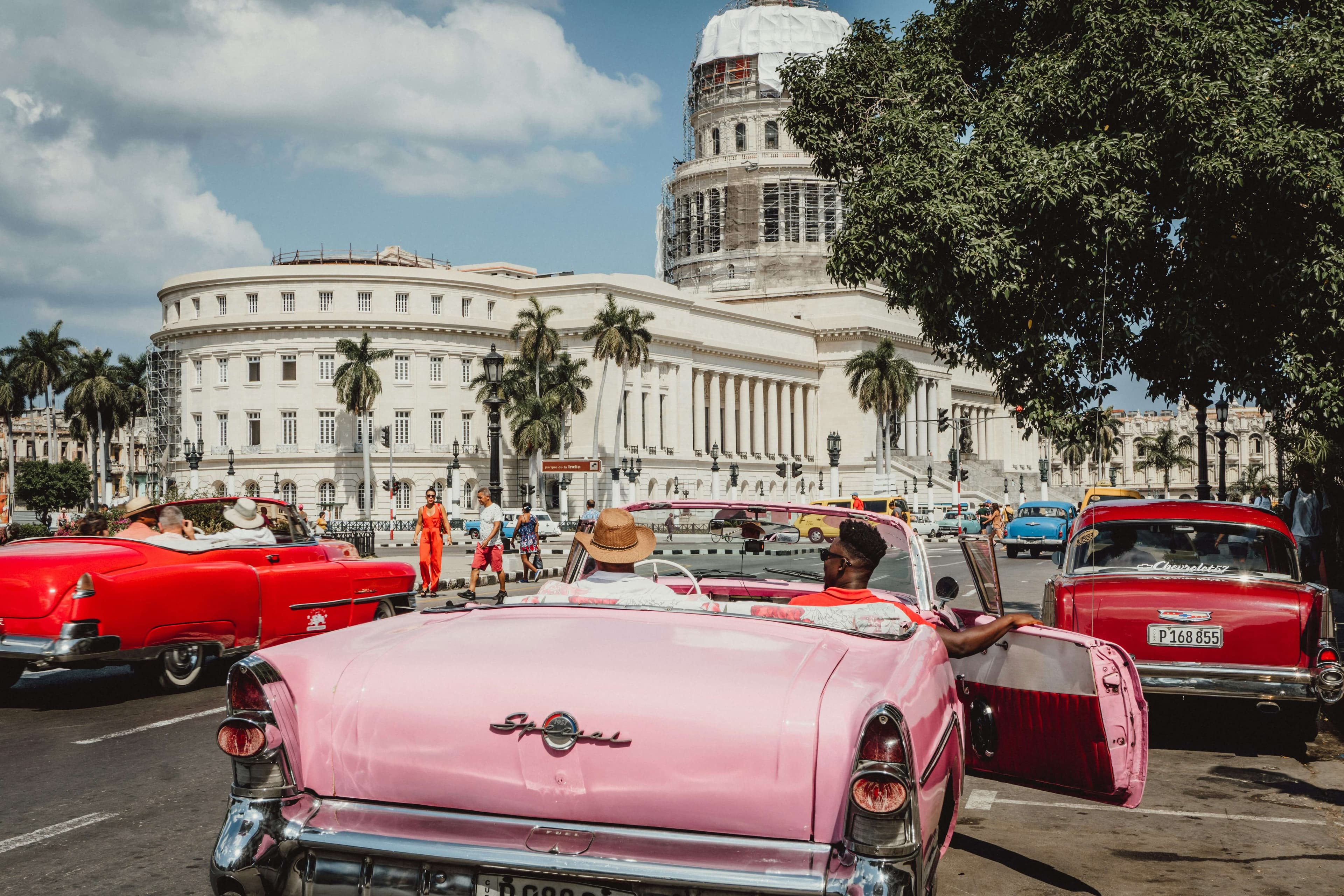
Ultimately, the report on Cuba is one of profound and harrowing resilience. Despite the fuel lines, the crumbling walls, and the empty shelves, the documentary highlights a population that continues to find ways to exist within the instability. This is not the romanticized version of Cuba often sold to tourists, but a raw look at a people who are adapting to a world where the future is uncertain and the present is a test of endurance. As the crisis deepens, the resilience of the Cuban people remains the only consistent element in a landscape of total volatility, providing a sobering look at a nation standing on the edge of an uncertain era.