NEW YORK – The waters of the Hudson River, usually a serene corridor of commerce and commuter transit, were transformed into a high-stakes amphitheater of cutting-edge technology and athletic prowess during the recent Mubadala New York Sail Grand Prix. As part of the prestigious Rolex SailGP Championship, the event offered a stark, visceral reminder of why hydrofoiling catamarans have fundamentally redefined the boundaries of competitive sailing. Watching the identical F50 catamarans—monstrous, gravity-defying machines capable of slicing through the water at blistering speeds—it becomes clear that this is not merely a race between sailors; it is a battle between engineering marvels and the volatile, unforgiving physics of the wind and current.
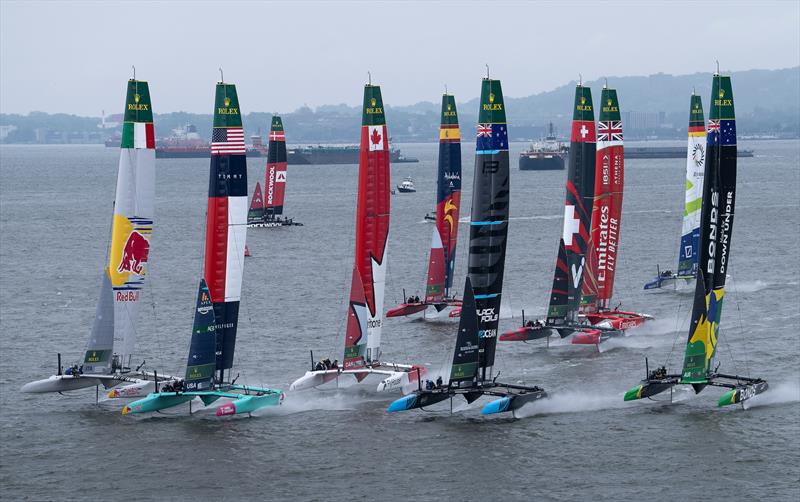
The competition began with a demonstration of sheer tactical dominance. In the opening race, the Emirates GBR team executed a textbook start, positioning themselves with an authority that left little room for error among their pursuers. Their performance was a masterclass in consistent execution, maintaining a steady, aggressive line that allowed them to command the fleet from the outset. As they crossed the finish line in first place, followed closely by the USA SailGP team in second and Artemis in third, the tone for the event was firmly established: this would be a Grand Prix defined by high-intensity maneuvering and the razor-thin margins of success at the elite level of the sport.
The narrative of the day shifted significantly in the second fleet race. The USA SailGP team, guided by the sharp tactical intuition of Taylor Canfield, demonstrated a remarkable ability to rebound from the pressures of the opening contest. Their victory was a testament to the resilience required in professional sailing, where the ability to calibrate one’s strategy to the shifting conditions of the course is as important as the speed of the vessel. The Australia team, affectionately known as the "Bonds Flying Roos," also provided a glimpse of their pedigree during this race, recovering from a difficult start to secure second place. It was a performance that signaled the depth of talent within the fleet, proving that even the most seasoned teams are only ever a few seconds away from either triumph or disaster.

Related article - Uphorial Shopify
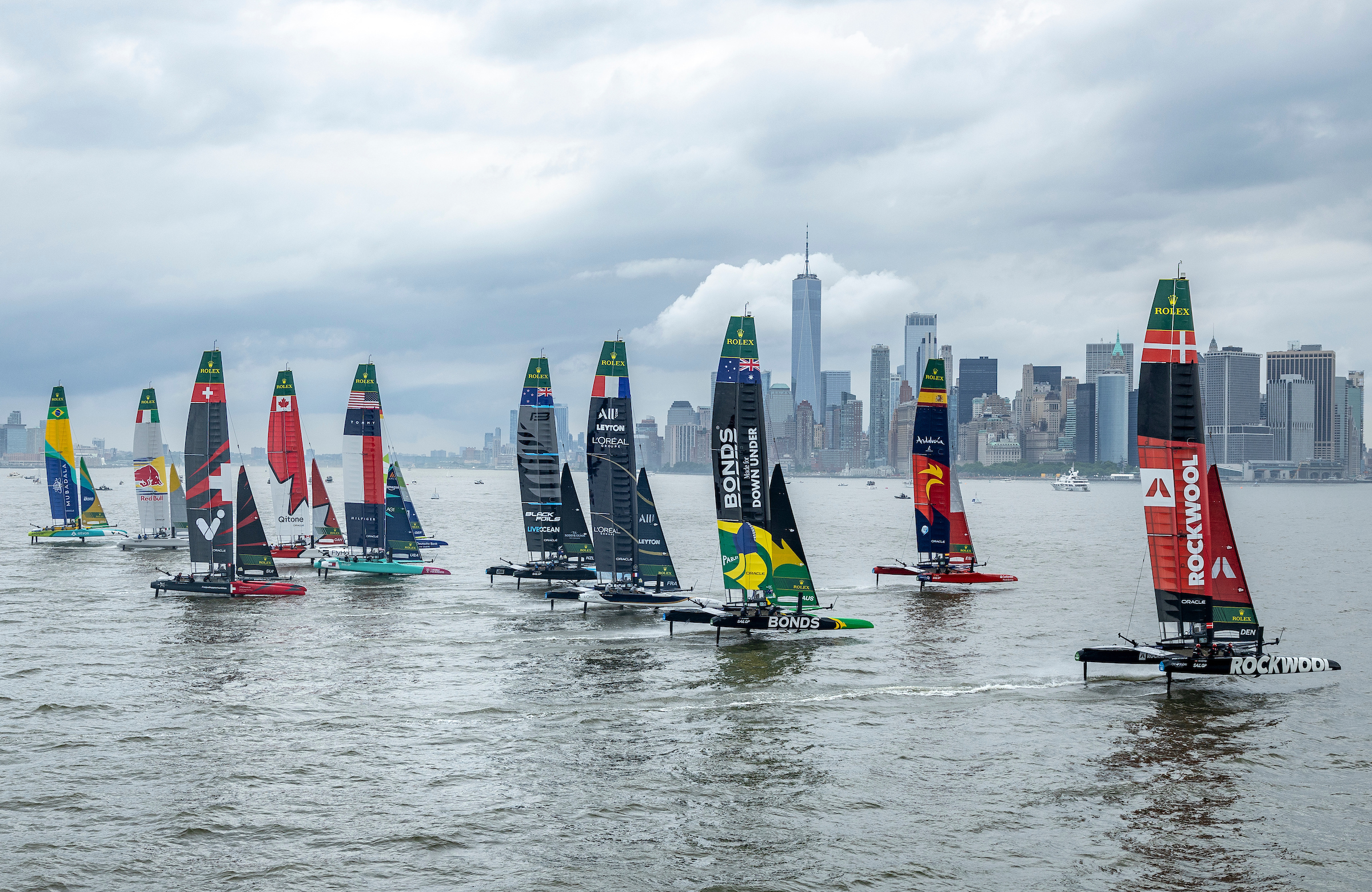
Drama, however, is an inevitable component of the SailGP circuit, and the third fleet race provided the event’s most visceral turning point. As the catamarans jockeyed for position, a high-speed collision involving the USA, Italy, and Brazil teams brought the action to a sudden, heart-stopping halt. It was a sobering reminder of the inherent dangers of the sport, where the sheer size and speed of the F50s create risks that are as immense as the rewards. In the resulting chaos, the Northstar Canada team navigated the wreckage and tactical confusion with remarkable composure, claiming a well-earned victory. This triumph was not just a standout moment of individual brilliance; it was the deciding factor that vaulted them into the final showdown, securing their place in the climactic event alongside the battle-tested squads from Australia and Emirates GBR.The final showdown was, in every sense, a climactic culmination of the day’s tensions. The Australia "Bonds Flying Roos" and the Emirates GBR team entered the water like gladiators in a modern coliseum, their maneuvers a high-speed dance of evasion and aggression. The race became a study in endurance, with both teams pushing their hydrofoils to the limits of physical capability. As the umpires presided over a tense protest that threatened to alter the outcome of the race, the atmosphere among the spectators was one of palpable anxiety. Through the turbulence, the Australia team maintained their composure, holding onto their lead with a tenacity that spoke to their experience in these high-pressure, championship-level environments.
The victory of the Bonds Flying Roos in New York was more than just another trophy for the shelf; it was a testament to the transformational nature of modern sailing. SailGP has succeeded in reframing the sport for a global audience, moving it away from the traditional, slow-paced image of maritime competition and into the era of the high-speed spectacle. By combining the accessibility of short, fleet-based racing with the complexity of elite hydrofoiling technology, the event creates a narrative that is both intellectually stimulating and visually overwhelming. It demands that the sailors be part navigator, part physicist, and part fighter pilot, capable of making split-second decisions at speeds that would have been unimaginable just a generation ago.
As the crews packed away their equipment under the shadow of the Manhattan skyline, the legacy of this Grand Prix was clear. It was an event that bridged the gap between the historic tradition of sailing and the digital-first requirements of 21st-century sports entertainment. The Mubadala New York Sail Grand Prix proved that whether one is navigating the currents of the Hudson or the complexities of a professional championship, the keys to success remain unchanged: a deep, cultural understanding of the environment, the strategic storytelling of a well-executed plan, and the emotional precision to remain calm when the pressure reaches its boiling point. For the Australia team, the victory served as a definitive affirmation of their status at the summit of the sport, leaving a crowd of spectators and competitors alike to marvel at the relentless, unstoppable march of innovation that continues to drive the future of world-class sailing.