SHANTOU — In the rapidly evolving landscape of 21st-century China, where the global narrative is often dominated by the gleaming skyscrapers of Shanghai or the high-tech surveillance of Shenzhen, a definitive report from the Chaoshan region of Guangdong offers a profound look at a different kind of modernization. Shantou, a coastal city with a rich maritime heritage, is increasingly being recognized not as a relic of the past, but as a vibrant, authentic alternative to the country’s futuristic mega-cities. A recent exploration of the region, guided by local experts, reveals a society that has managed to integrate cutting-edge technology—ranging from global toy manufacturing to advanced electric vehicle infrastructure—into a culture still deeply rooted in tight-knit community traditions and ancient history.
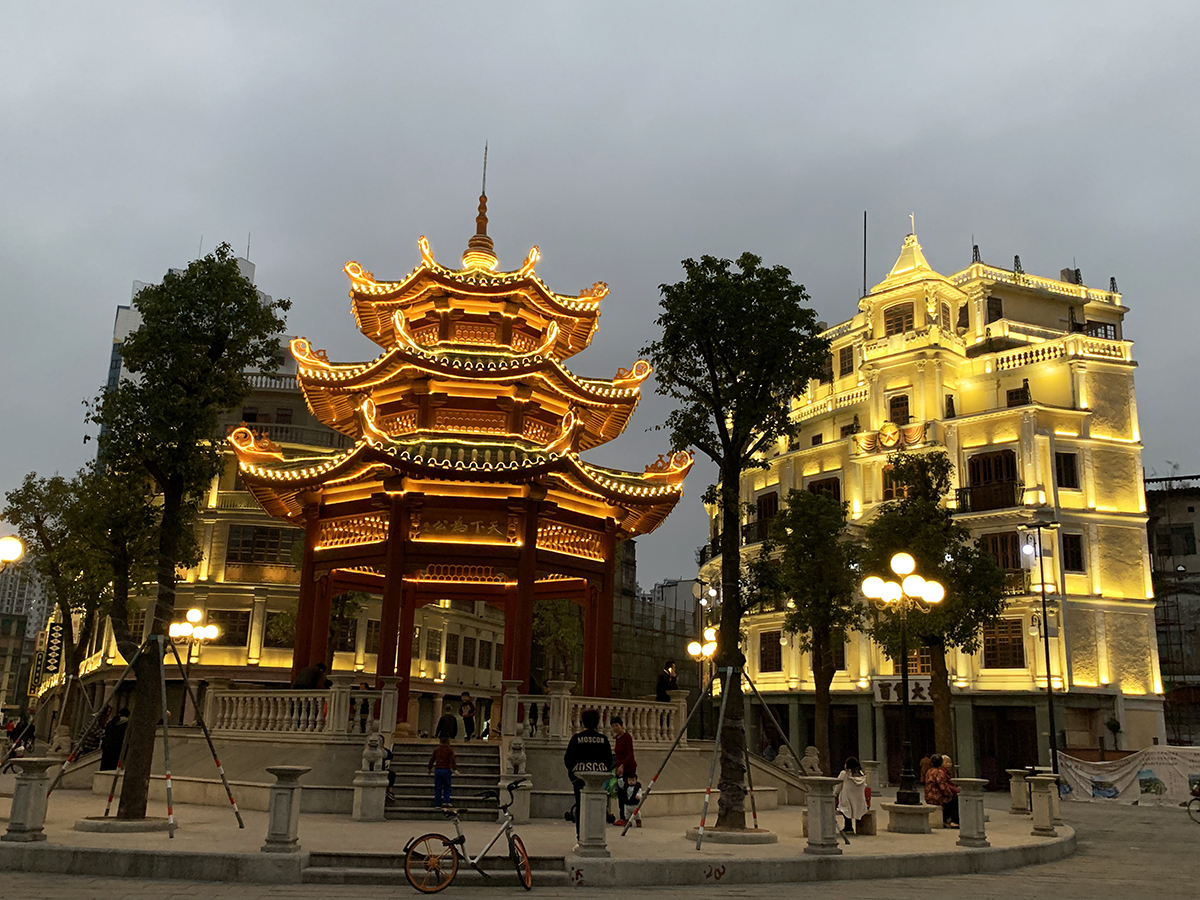
The journey into the heart of Shantou begins with a stark contrast to the sprawling urban centers of the north. At Dahao Ancient City, recognized as the smallest ancient city in China, the physical history of the region is palpable. Walking across traditional rooftops and through narrow alleys lined with local medicine shops, the report highlights a scale of living that is increasingly rare in modern China. This is not a "postcard" version of history designed for mass tourism; it is a functioning, lived-in reality where the architecture of the past continues to frame the daily commerce of the present. The preservation of these spaces serves as a testament to the Chaoshan people’s commitment to their local identity, even as the world around them accelerates toward a digital future.
This commitment to tradition is perhaps most visible in the region’s legendary culinary and social customs. No report on Shantou would be complete without an analysis of the Chaoshan beef hotpot, a dish that has become a national symbol of precision and quality. Unlike other regional variations, the Chaoshan style focuses on the freshness of the meat and the specific cuts, reflecting a broader cultural obsession with technical excellence. This culinary rigor extends to the consumption of raw marinated seafood and the meticulous Gongfu tea tradition. In Shantou, tea is not just a beverage but a social lubricant and a meditative ritual, requiring a specific sequence of steps that emphasize patience and hospitality. These rituals are often soundtracked by the rhythmic energy of the Yingge dance, a traditional folk performance that combines martial arts and theater, serving as a powerful display of the region’s collective spirit and historical resilience.

Related article - Uphorial Shopify

However, Shantou’s focus on the past does not mean it is disconnected from the global economy. In fact, the district of Chenghai serves as a staggering report on China’s manufacturing dominance. Known as the "Toy Capital of the World," Chenghai is a global powerhouse where the scale of production defies easy categorization. The area is home to massive B2B toy showrooms that span entire city blocks, alongside sophisticated drone factories that supply the international market. This entrepreneurial spirit is a hallmark of the Chaoshan diaspora, which has a long history of maritime trade and business success. The transition from traditional craftsmanship to high-tech assembly lines in Chenghai illustrates how the region has adapted its industrious nature to meet the demands of the 21st-century supply chain.
The integration of modern technology is further evidenced by the region's adoption of advanced transportation infrastructure. Exploring the coastal roads of Shantou in a NIO ES8 electric SUV provides a firsthand look at how the "New China" is being integrated into older regions. The experience of the brand’s battery-swapping technology—where a vehicle’s battery can be replaced in minutes rather than hours—highlights a level of infrastructure maturity that rivals any global city. This technological layer is most impressively visualized at the Nan’ao Island bridge. This massive engineering feat has significantly boosted local tourism by connecting the mainland to the islands, allowing for a seamless transition between the industrial heart of the city and the serene coastal villages that define the region's periphery.
Island life remains the soul of the Shantou experience, offering a slower pace that stands in direct opposition to the "996" work culture of the northern tech hubs. Visits to Mayu Island and Nan’ao Island reveal a world defined by the rhythms of the sea. Here, the local Matsu traditions—worship of the goddess of the sea—remain central to the community. For centuries, the people of Shantou have looked to Matsu for protection during their maritime expeditions, and the continued presence of these shrines serves as a bridge between the ancient seafaring past and the modern coastal reality. These islands offer a glimpse into a raw, local reality where the primary concerns are the catch of the day and the strength of the community ties. Ultimately, the report on Shantou and the broader Chaoshan region suggests that the future of China may not lie solely in the homogenization of its mega-cities, but in the preservation of its regional identities. Shantou offers a vision of a "Middle Way"—a place where you can witness a traditional folk dance in the morning, tour a world-class drone factory in the afternoon, and end the day with a battery-swap on a bridge that leads to an ancient island village. It is a place defined by an uncompromising entrepreneurial spirit and a deep respect for the maritime history that first put it on the map. As the world continues to look toward China for the next technological breakthrough, Shantou serves as a vital reminder that the most authentic innovations are those that carry the weight of culture and history with them.