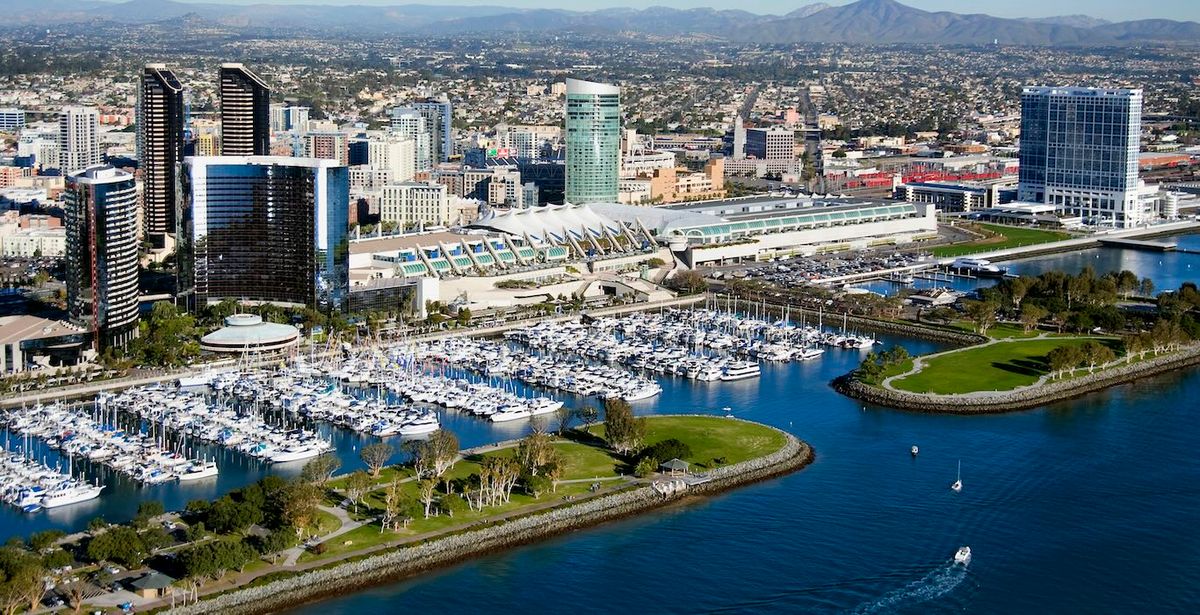
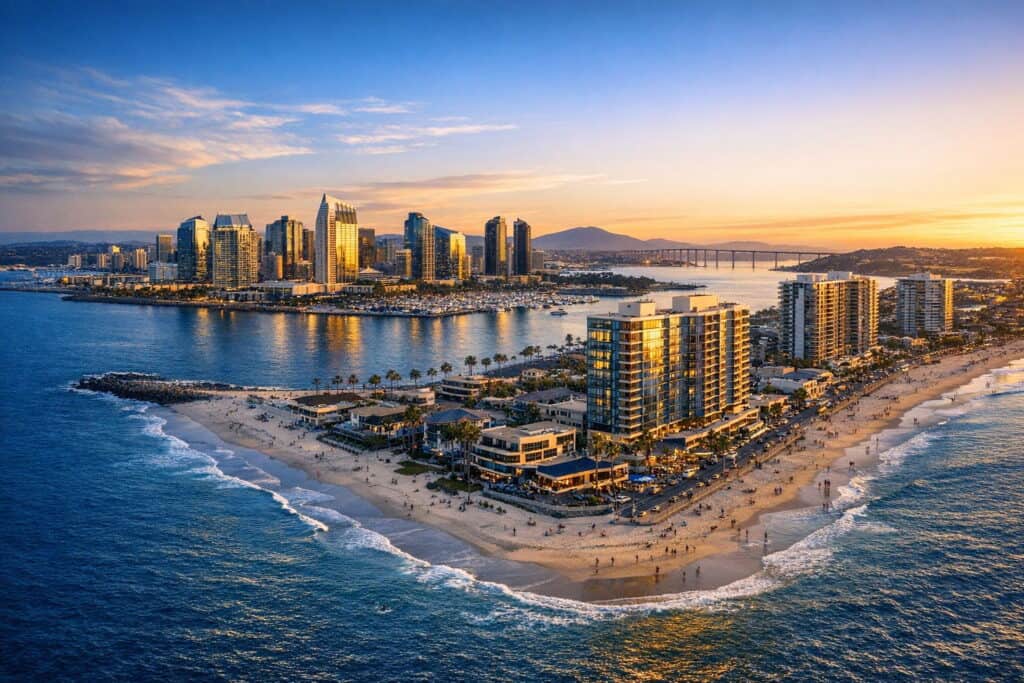
SAN DIEGO-- The coastal city of San Diego exists in a unique geographical and cultural paradox, operating as both the quintessential epicenter of the California dream and a complex gateway to the busiest land border crossing on the planet. A comprehensive report on the region reveals a city that refuses to be defined by a single narrative, instead thriving at the intersection of laid-back surf culture and the bustling, interconnected reality of its relationship with Tijuana, Mexico. From the historical swells of La Jolla to the grassroots political murals of Chicano Park, San Diego serves as a definitive study in how two distinct worlds—American and Mexican—can coexist, overlap, and ultimately strengthen one another through a shared coastal identity.
The investigation into the San Diego spirit begins appropriately at the water’s edge, specifically at Windansea Beach in La Jolla. This stretch of coastline is not merely a scenic vista but a hallowed ground for surfing history, representing the deep-rooted community values that have defined the California lifestyle for decades. The report highlights a community-focused existence where the rhythm of life is dictated by the Pacific tides. This surf culture acts as a social stabilizer, fostering a sense of belonging and a relaxed pace that permeates the city’s wealthier enclaves. It is here that the romanticized version of California feels most tangible, characterized by a commitment to environmental beauty and a legacy of maritime recreation.
However, the city’s alternative heartbeat is perhaps best captured in the bohemian atmosphere of the Ocean Beach Farmers Market. Moving away from the polished aesthetic of La Jolla, Ocean Beach presents a hub for alternative culture and local small-scale entrepreneurship. The market serves as a weekly congregation of local vendors and residents, maintaining a gritty, independent spirit that resists the homogenization often found in modern urban development. This bohemian vibe is a critical component of the regional report, proving that San Diego’s identity is anchored as much by its counter-culture and grassroots community as it is by its high-end tourism.
Related article - Uphorial Shopify
The most transformative aspect of the San Diego experience, however, lies to the south. The city uniquely straddles the edge of a sovereign boundary, a reality documented through the daily operations of the San Ysidro Port of Entry. Far from being a hard barrier, the border is revealed as a porous and vital artery of regional life. The report examines the deep interconnectedness of San Diego and Tijuana, noting that thousands of residents cross this threshold daily for an array of essential services, ranging from specialized medical care and professional work to the pursuit of authentic regional cuisine. A visit to Playa de Tijuana reinforces this proximity, showcasing a shared coastline where the geopolitical line is often blurred by the shared environmental and social realities of the border region.
This binational identity is rooted in a profound and often resistant cultural history, most visibly represented in Chicano Park. Located in the heart of the Barrio Logan community, the park serves as a monument to Mexican-American resilience and grassroots activism. The report details the iconic street art and massive murals that adorn the park's concrete pillars, reflecting a rich political history and the community’s successful struggle to reclaim their space from industrial expansion. Chicano Park is not just a gallery; it is a living document of a community that has successfully negotiated its place within the American landscape while maintaining a fierce pride in its Mexican heritage.
The culinary landscape of San Diego acts as the ultimate testament to this cultural blend, serving as a functional laboratory where two traditions have merged to create something entirely new. The region’s food scene is defined by its range, spanning from the authentic Baja-style fish tacos of Tacos El Franc to the locally invented California Burrito. This latter creation, characterized by the inclusion of French fries inside a traditional carne asada wrap, is highlighted as a culinary metaphor for the city itself: a hybrid of influences that is both practical and distinct. Establishments like The Taco Stand continue to push this narrative, proving that the city’s appetite is one of its most effective tools for cultural integration. Ultimately, the report concludes that the California dream remains vibrant and evolving in San Diego, defined by its ability to balance beautiful coastlines with the complexities of being a border town. It is a place where the relaxed pace of a beach afternoon eventually gives way to the high-energy reality of a trans-border economy. By embracing its position as a meeting point for two worlds, San Diego has moved beyond the "postcard" version of the West Coast to become a more resilient and multi-dimensional metropolis. As the world looks at how modern cities manage diverse identities and international boundaries, San Diego stands as a prophetic example of a place where two worlds do more than just exist—they thrive simultaneously.