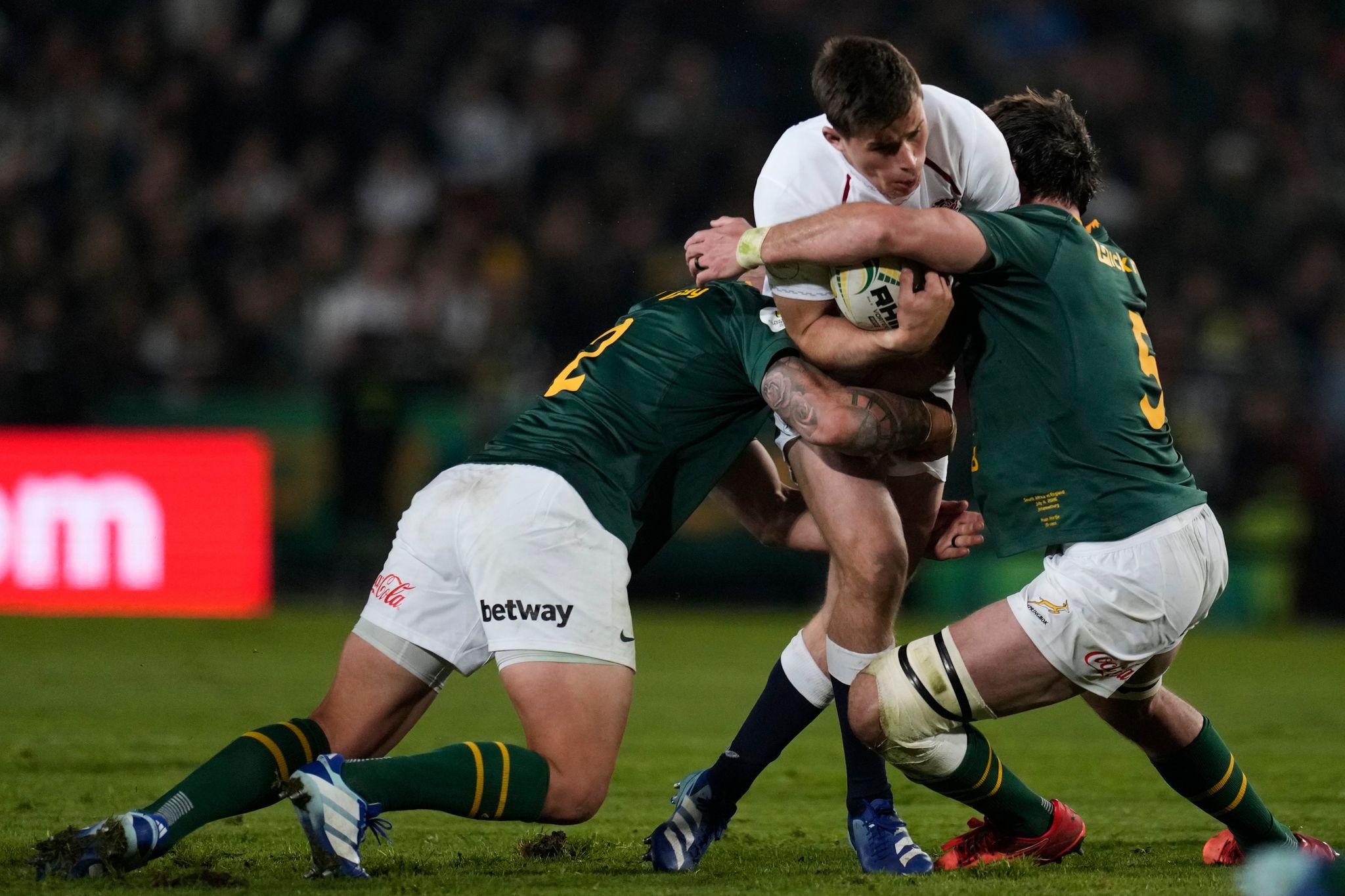
The thin air of the Highveld at Ellis Park has long been a graveyard for touring rugby teams, but on the evening of July 4, 2026, it served as the backdrop for a statement of intent that echoed far beyond the confines of Johannesburg. In a match that marked the thunderous opening of the inaugural Nations Championship, the South African Springboks dismantled England with a clinical, 45-21 victory, a performance that blended the raw, uncompromising power for which they are world-renowned with a newfound panache in their backline. For the world champions, it was a display that reaffirmed their status at the summit of the sport; for England, it was a harrowing reminder of the chasm that still separates the aspirational from the elite.
The contest began with a level of intensity that suggested South Africa had been waiting seven months to unleash their frustration. Within twelve minutes, the Springboks had orchestrated a total collapse of the English defensive structure, racing to a 17-0 lead that left the visitors visibly reeling. The onslaught began with prop Thomas du Toit, who muscled his way over in the third minute, followed in rapid succession by the elusive Cheslin Kolbe and the blistering Kurt-Lee Arendse. It was a masterclass in direct physical pressure, a sequence that saw the Springboks utilize every ounce of their pack’s dominance before allowing their outside backs to dismantle a scrambling English line. The stadium, a sea of green and gold, was already in a state of delirium, and for a fleeting moment, it appeared that the match might devolve into a lopsided rout.
Related article - Uphorial Shopify
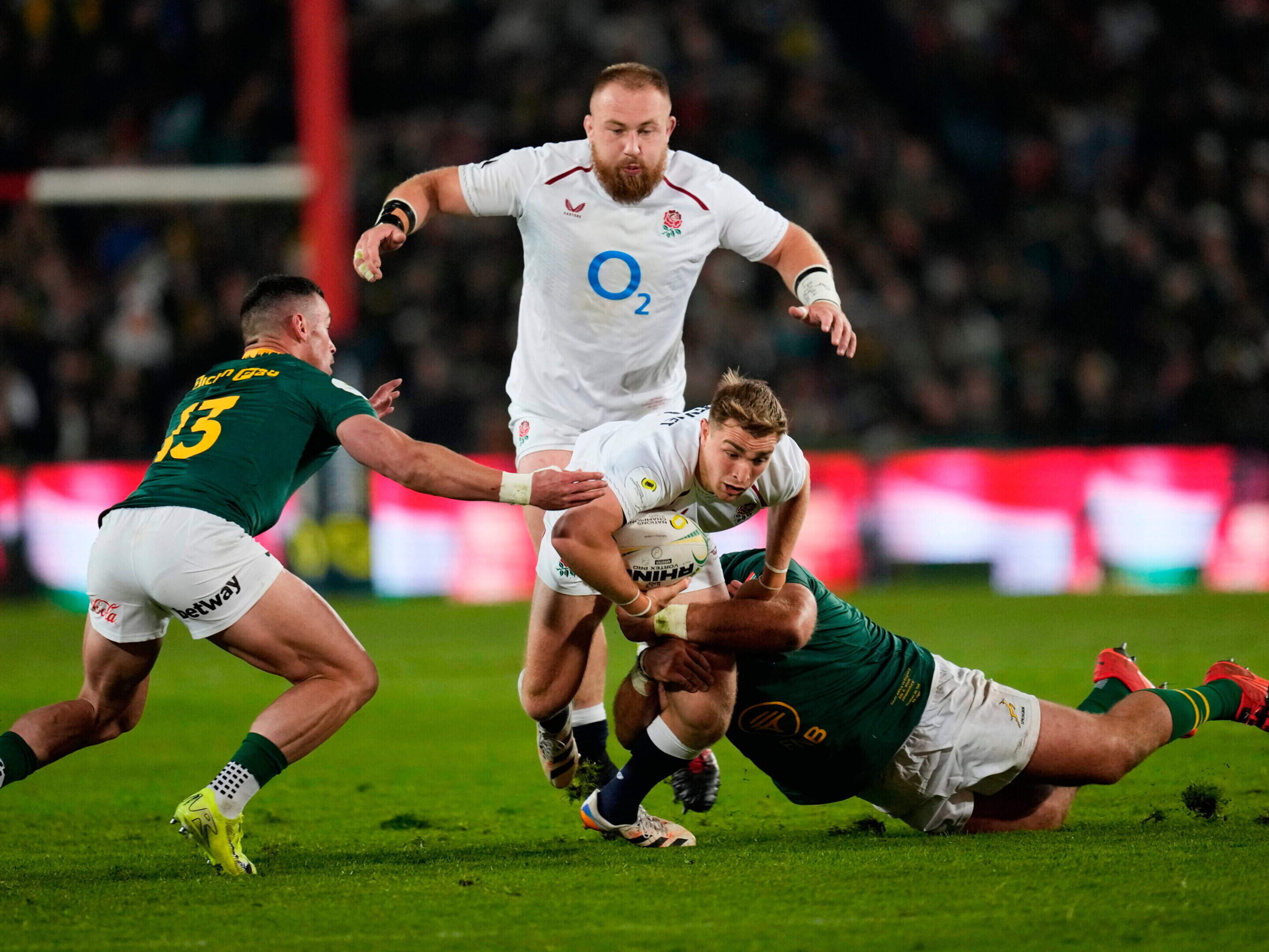
Yet, England, a side currently navigating the turbulence of a deep rebuilding project, refused to fold. Despite the shock of the early deficit and the sting of seeing a try by captain Jamie George disallowed by the TMO, they found a foothold in the contest. Through the tireless work of Ben Earl and the impactful ball-carrying of Ellis Genge and George Martin, the visitors began to dictate the breakdown and secure the necessary platform to launch their own assault. By the time the halftime whistle blew, England had narrowed the margin to 17-14, a scoreline that felt like a tactical victory given the disparity of the opening quarter. They had successfully weathered the initial storm, and as the teams retreated to the sheds, the prospect of a genuine contest seemed alive.However, the second half provided a stark demonstration of why South Africa remains the benchmark for world rugby: their ability to control the rhythm and intensity of a match is unparalleled. No sooner had the game resumed than the Springboks reasserted their physical supremacy. Grant Williams, seizing on the tempo, darted over on 45 minutes, effectively nullifying England's late first-half surge and re-establishing the scoreboard pressure that the hosts prefer. As the match progressed, South Africa’s vaunted squad depth became the ultimate difference-maker. When Jesse Kriel crossed in the 56th minute to push the lead to 31-14, the English resolve finally began to fray.

The final quarter of the match served to underline the structural gulf between the two teams. As England’s discipline waned—culminating in late yellow cards for Tommy Freeman and Guy Pepper—the Springboks exploited the numerical advantage with ruthless efficiency. Malcolm Marx and Ben-Jason Dixon added late tries, turning what had been a respectable contest into a comprehensive 45-21 victory. For England, the match was a sobering diagnostic of their current limitations; despite flashes of individual brilliance and commendable resolve, they ultimately lacked the consistency and the suffocating pressure required to stay in the fight for eighty minutes against the world’s best.
For the Springboks, the night was defined by more than just the final scoreboard. It was a milestone evening, with Damian Willemse and Cheslin Kolbe both celebrating their 50th appearances, a testament to the continuity and experience that underpin their success. As the world champion hosts looked toward the remainder of the Nations Championship, the performance sent a clear warning to the rest of the rugby globe: South Africa’s hunger has not diminished. They remain a side capable of blending the traditional, brutal efficiency of the forward pack with a dynamic, explosive attacking game that can punish any team the moment they lose focus. As the smoke cleared on a cool Highveld evening, England was left to confront the reality of a difficult road ahead, while the Springboks stood tall, having set the standard for the new competition with a performance of power, patience, and undeniable class.