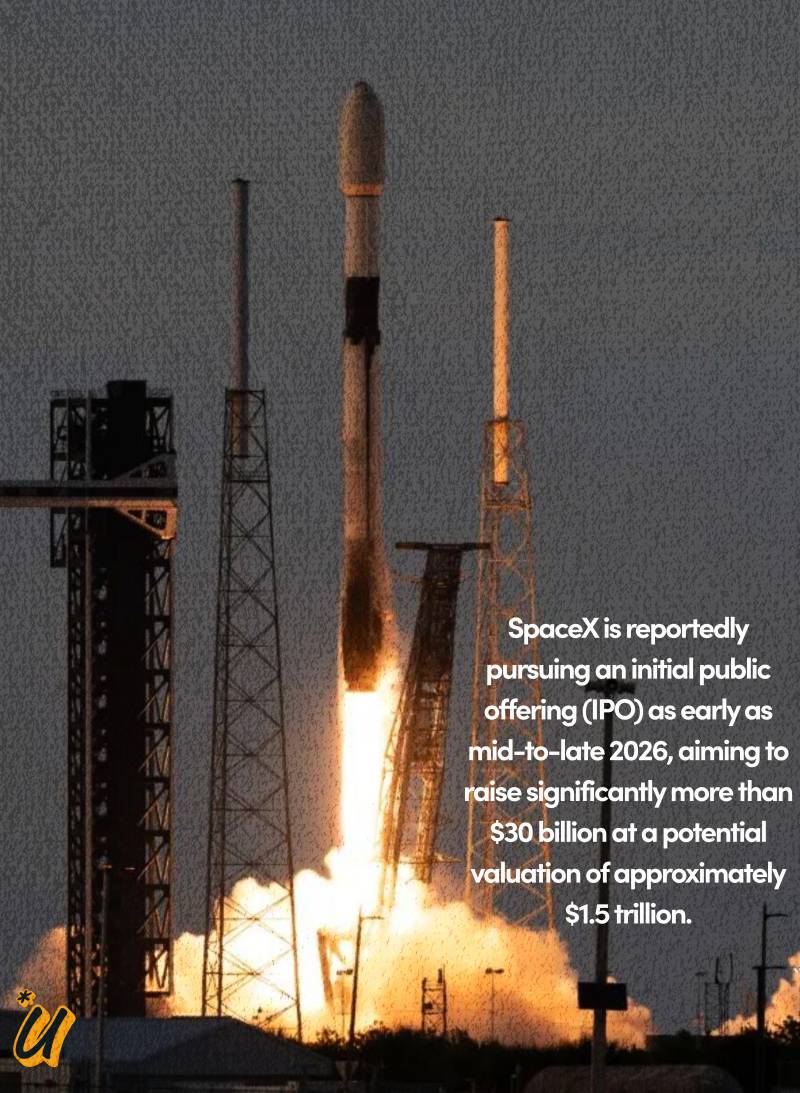
Bloomberg Technology, anchored by Caroline Hyde in New York and Ed Ludlow in San Francisco, has reported that SpaceX is advancing plans for an Initial Public Offering (IPO) in mid-2026, aiming to raise more capital than any IPO in history, with a goal of far north of $30 billion. This anticipated financial move targets a valuation of approximately $1.5 trillion for the entirety of the business.
Ed Ludlow noted that this is "the IPO that all corners of the technology market and the private market have been waiting for". The substantial capital raise is intended to fund CEO Elon Musk's ambitious projects, including the development of Starship, the colossal rocket designed to put humans on the moon and eventually reach Mars. Musk has also spoken about using the funds to establish data centers in space, which would require harnessing solar power, building a space AI stack, and acquiring a "huge amount of computing resources". The other key component of the company is StarLink, the satellite internet business that serves as the current "cash cow" and brings in the majority of revenue.
The groundwork for the valuation is already established through a confirmed tender, or secondary offering, allowing existing shareholders and employees to sell shares and generate liquidity. This secondary offering set a private market valuation of $800 billion, surpassing OpenAI's latest tally and making SpaceX "the most valuable startup in the world". The share price in this tender is set at approximately $421 a share. Caroline Hyde pointed out that this secondary liquidity event, which amounts to about $2 billion, only represents about 3 to 5% of the company's total valuation. Phil Haslett, Chief Strategy Officer at Acquisition, emphasized that SpaceX is the "most popularly requested private company" on his platform, indicating significant "retail exuberance about investing in space X".
The potential IPO is viewed as a "seismic event for the entire space industry," according to industry experts, who liken it to the "Netscape moment happened in 1995" that kicked off the internet investment boom.
The Bloomberg Technology program also covered major shifts in the AI and media sectors. Meta, which had previously been the "flag waver" for open-source AI, is pivoting its strategy, focusing on an internal, closed AI model codenamed Avocado, which is expected to launch next spring. This move is aimed at developing a monetization strategy to justify Meta’s "multi hundred-billion-dollar investment in A.I.". Furthermore, employees were reportedly told after July to stop speaking publicly about open source, marking a "reset it strategy" following a disappointing release of their open-source model, Llama 2.
Separately, the White House approved the export of some of NVIDIA’s H2O AI chips to China. This decision was based on the rationale that China's rival Huawei already offers AI systems with comparable performance, such as the Cloud Matrix 384 system, which can link together hundreds of chips. This marks a "paradigm shift" from previous administrations; now, evidence of Huawei's advancements is being used to loosen restrictions. The comfort level is based on the fact that the H2O chips are about 18 months behind the next generation of NVIDIA’s technology, Black Well.
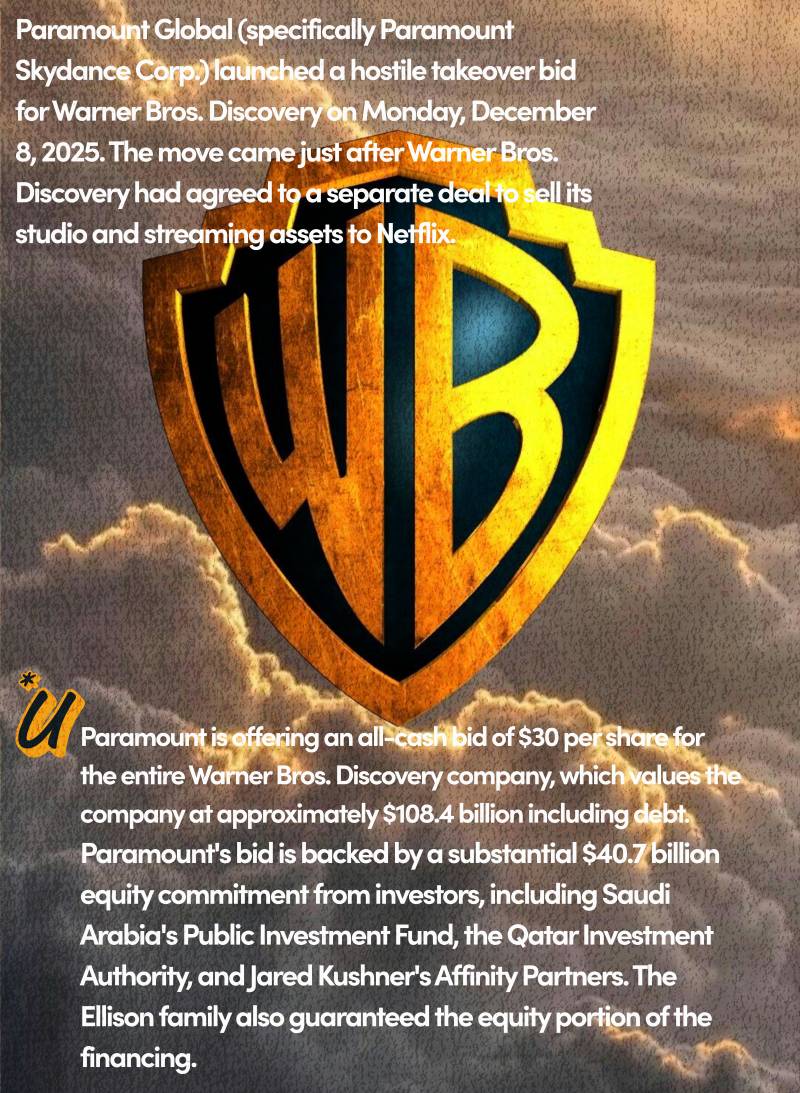
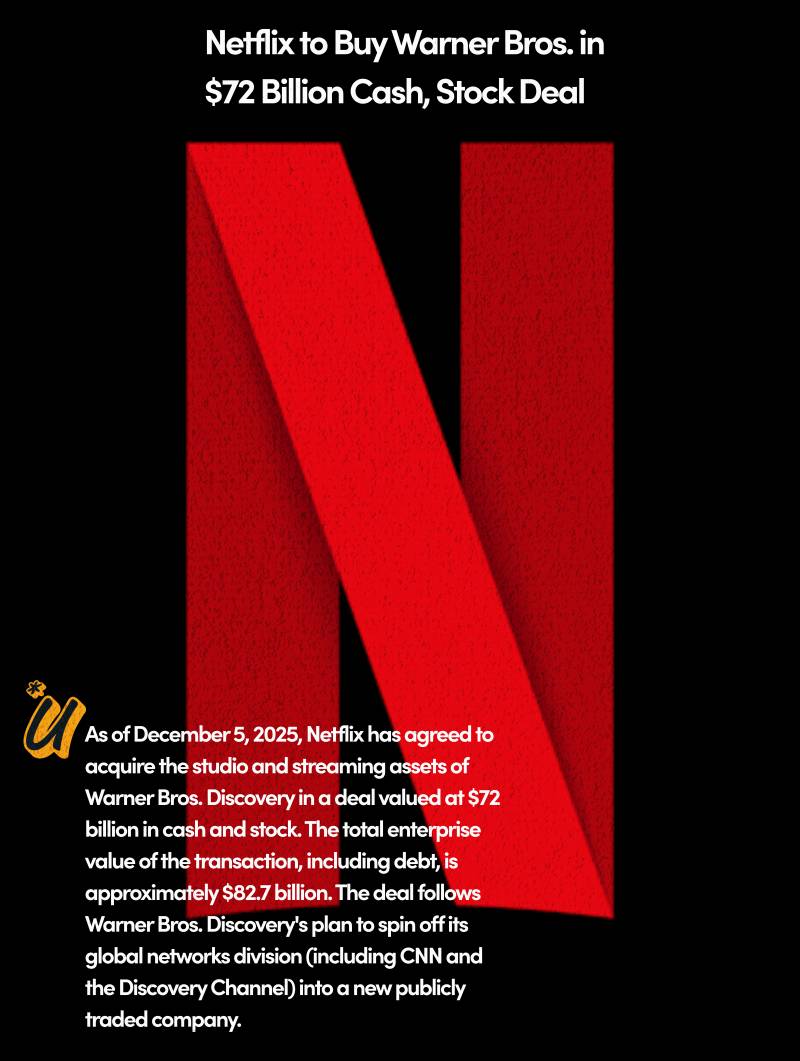
The takeover battle for Warner Bros. Discovery (WBD) also remains a major story. Two competing bids are in play: a Netflix offer of $27.75 per share for the streaming and studio assets, and a Paramount Skydance hostile bid of $30 per share for the "whole enchilada". Caroline Hyde noted that the stock has risen dramatically, climbing over 300% since auction rumors began. Analysts are more "sanguine about Paramount’s regulatory ability" to get the deal approved, as a combined Netflix-WBD entity would create a massive 450 million global subscriber base, representing 40% of the streaming market, raising significant antitrust concerns. A Paramount acquisition, conversely, would result in a much smaller 225 million subscriber base. The primary fear in Hollywood, which Ed Ludlow and analysts discussed, is that Netflix would eventually stop theatrical film releases, as the company "does not believe in the theatrical box office release window".