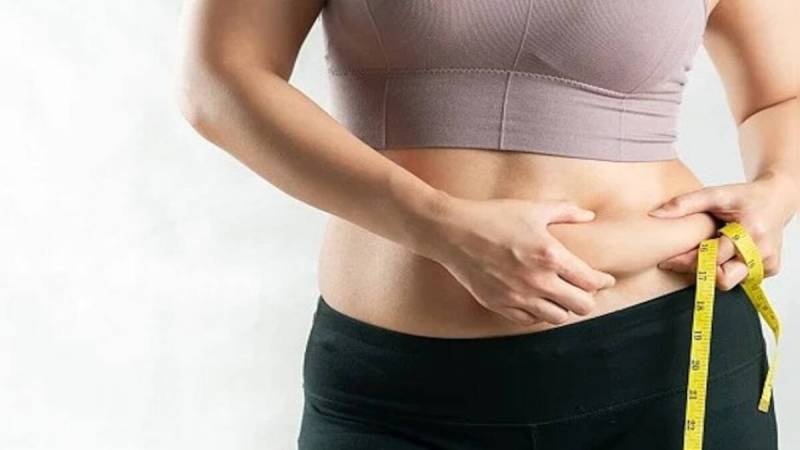
LAGOS – In a stark medical alert that has resonated across social media and surgical clinics alike, the prominent health advocate known as Aproko Doctor has issued a comprehensive warning regarding the Brazilian Butt Lift (BBL), currently classified as the world’s most dangerous cosmetic procedure. The report deconstructs the physiological reality of the surgery, which involves a multi-stage process of liposuction to harvest fat from areas like the abdomen or thighs, followed by its processing and reinjection into the gluteal region to enhance volume and shape. While the aesthetic promise of the "hourglass" figure continues to drive global demand, the underlying biological risks have led to a soaring mortality rate that distinguishes this procedure from almost any other elective surgery.
The primary and most lethal complication identified in the report is the fat embolism. This occurs when fat is inadvertently injected into a major blood vessel, allowing it to travel directly to the heart or lungs. Once the fat enters the pulmonary or cardiac system, it can cause a total blockage, leading to death within minutes. Medical data indicates that this catastrophic event occurs in approximately 1 out of every 3,000 cases, a statistic that has forced international surgical boards to rethink safety protocols. Beyond the immediate threat of death, patients face a litany of other severe dangers, including systemic infections, permanent nerve damage leading to chronic pain or numbness, and extensive scarring. Furthermore, the procedure carries the risk of fat necrosis, a condition where the transferred fat fails to integrate with the body and dies, forming painful, hard lumps under the skin that often require secondary corrective surgeries.
The situation is particularly dire in regions like Nigeria, where the report highlights a significant lack of regulatory oversight. A growing number of these high-risk procedures are being performed by unqualified practitioners in residential or "backroom" facilities that lack the essential infrastructure of a modern hospital. The absence of Intensive Care Units (ICUs) or immediate emergency response capabilities in these clinics means that if a complication like a fat embolism occurs, the practitioner is functionally unable to save the patient’s life. This "medical tourism" trap has led to a string of preventable tragedies among young women seeking trendy physical transformations at a lower cost.
Related article - Uphorial Shopify
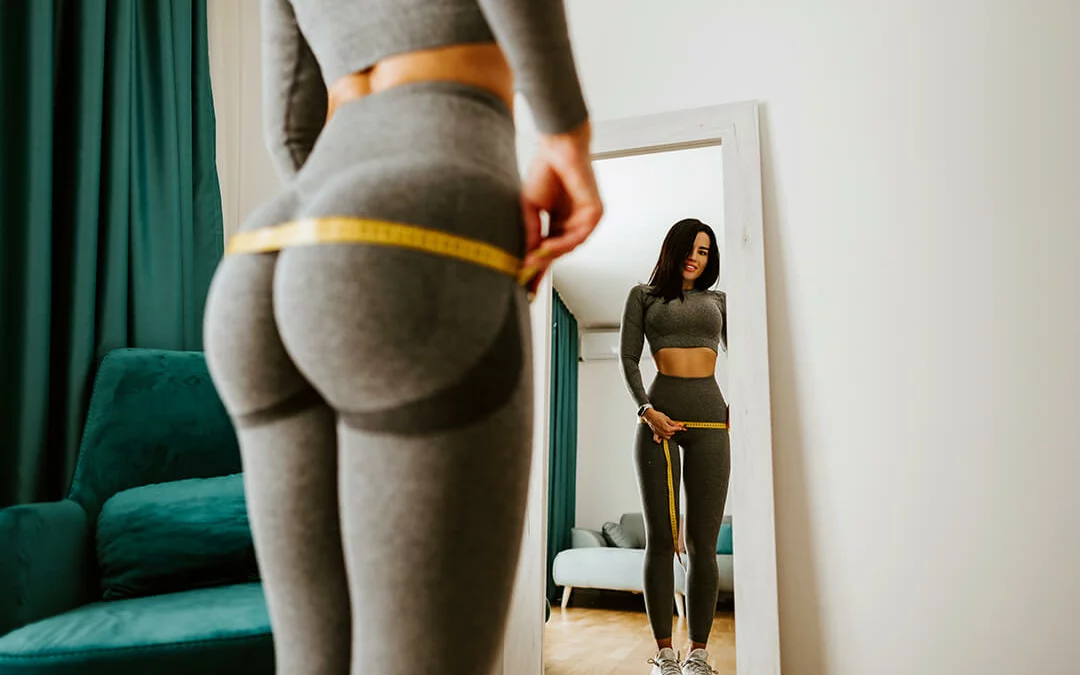
For those who survive the operating table, the road to recovery is described as grueling and restrictive. To ensure the survival of the newly transferred fat cells, patients are strictly prohibited from sitting directly on their buttocks for a period of six to eight weeks. This requirement forces a total upheaval of daily life, necessitating specialized pillows and constant vigilance to avoid any pressure that could compromise the surgical results. Given these stakes, Aproko Doctor argues that the only truly safe method for altering body composition is through physiological development rather than surgical intervention. The report emphasizes that the gluteal muscles can be naturally enlarged through consistent resistance training—specifically targeting movements like squats and hip thrusts—paired with a high-protein diet to support muscle hypertrophy.
Ultimately, the message is one of self-preservation over social media trends. The report concludes with a powerful reminder that the human body is not a laboratory for experimental aesthetics and that the risks associated with the BBL often outweigh the fleeting psychological satisfaction of a trend-driven silhouette. By choosing natural muscle development over high-risk surgery, individuals avoid the life-threatening pitfalls of fat embolisms and long-term necrosis. In an era where cosmetic surgery is often marketed as a casual lifestyle choice, the medical community is urging a return to the philosophy of natural health, reminding the public that no aesthetic trend is worth the permanent sacrifice of one's life or long-term mobility.