BROOKLYN – The lens of Jamel Shabazz has never been just a tool for capturing light; for over forty years, it has served as a social contract, a communal mirror, and a profound act of "visual medicine." In a career that spans from the early 1980s to the current spring of 2026, the renowned Brooklyn street photographer has moved beyond the status of a mere chronicler of New York City’s urban landscape. Today, he stands as a patriarchal figure in the world of photography, a man whose philosophy of the "honorable photographer" has transformed the act of image-making into a vehicle for mentorship, community healing, and historical preservation.
As he navigates his fifth decade behind the camera, Shabazz has undergone a deliberate shift in his artistic priorities. While his own body of work continues to be housed in prestigious institutions like the Whitney Museum and the National Gallery of Art, his focus has pivoted toward the development of the next generation. This transition into mentorship is born from a personal lack; Shabazz frequently reflects on the fact that when he was a young man emerging from East Flatbush with a camera, he lacked the seasoned guidance he now provides to others. He views the empowerment of young photographers not just as a professional courtesy, but as a cultural necessity to ensure that the stories of the community continue to be told by those who live within them.
This commitment to the future was recently captured in a poignant creative exchange with Chris Cook, a rising photographer who has been following in the legend's footsteps. In a candid critique session, Cook presented his portfolio of block party portraits—a series that echoes the vibrant, stylized street energy that Shabazz himself popularized decades ago. The interaction offered a rare glimpse into Shabazz’s technical and philosophical mind. Rather than offering empty praise, the legend provided a rigorous critique of the portfolio’s narrative flow. He emphasized the "power of the opening shot," teaching Cook that a photography book or exhibition must function like a piece of music, with a rhythm and a lead-in that compels the viewer to stay for the entire story. His advice on layout and the selection of images underscored a vital lesson: a great photographer must also be a great editor of their own experiences.

Related article - Uphorial Shopify
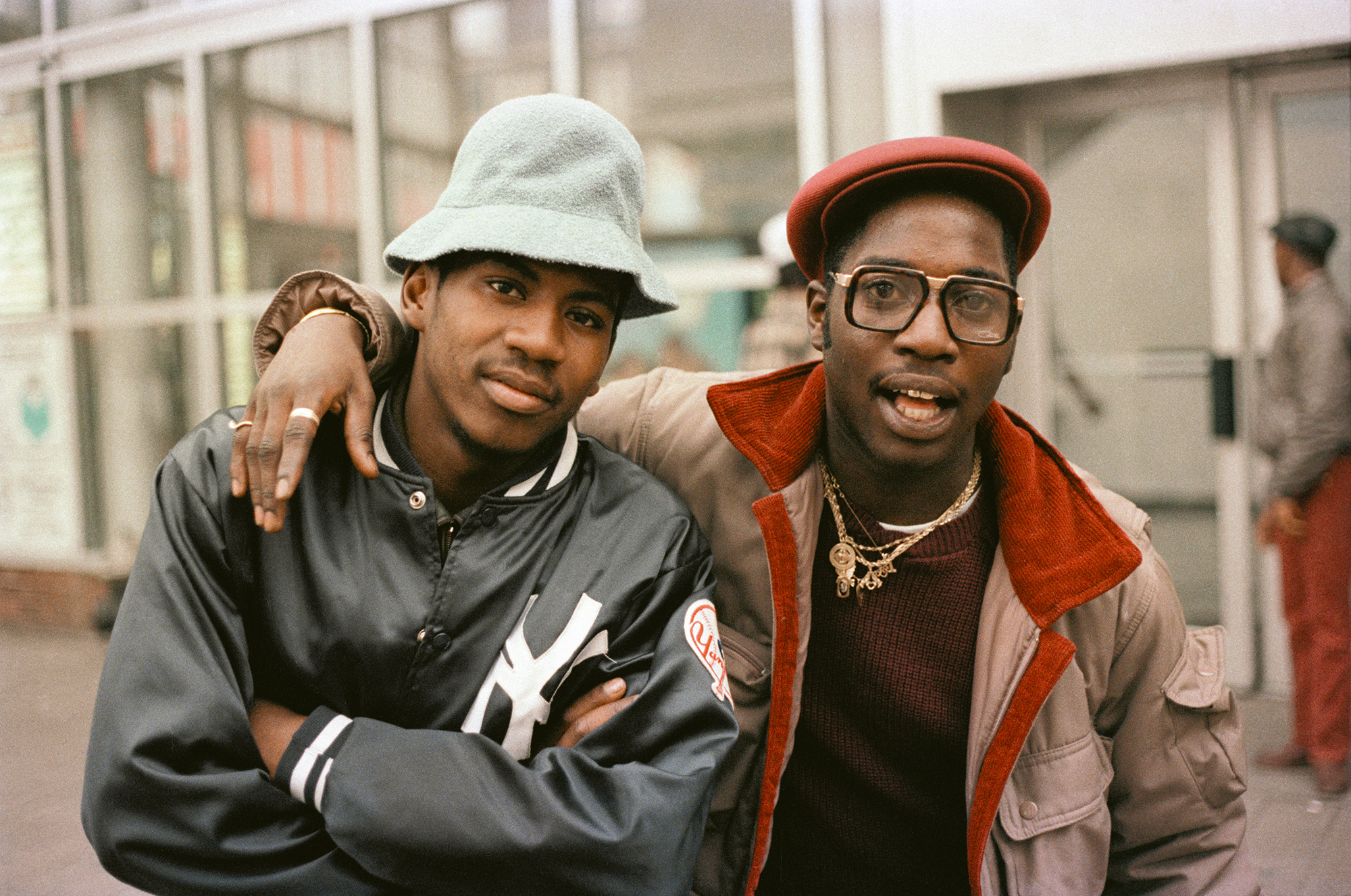
Underpinning these technical lessons is Shabazz’s deep-seated "Philosophy of Connection." To Shabazz, the camera can be a predatory instrument if not used with honor. He has long championed a practice of "giving as much as he takes," a philosophy exemplified by his lifelong habit of gifting physical portraits back to his subjects. By providing the people he photographs with their own images, he transforms a fleeting street encounter into a permanent bond of trust. This practice, which he famously used to "kill with kindness" during his twenty-year career as a New York City corrections officer, remains the bedrock of his street work today. He believes that to be a true documentarian of the community, one must first be a respectful member of it.

This community impact reached a celebratory peak during a recent gathering for World Photography Day. In a session that felt more like a family reunion than a professional shoot, Shabazz led a group portrait session that drew photographers and residents from across the city. The event served as a living testament to his enduring influence; here was a man who had survived the crack era, the military, and the pressures of the justice system, only to emerge with his sense of empathy and his artistic vision not only intact but expanded. By leading these public sessions, he demonstrates to younger artists like Cook that the true value of a photograph lies in its ability to act as a "bridge"—personal enough to reveal an individual truth, yet public enough to spark a dialogue about shared history.
As the world of 2026 continues to move toward the ephemeral and the digital, Jamel Shabazz remains a steadfast advocate for the permanent record. His recent work, including his expansive retrospective on Prospect Park, highlights his belief that the ordinary moments of Black life—the "softness, pride, humor, and love"—are the most radical subjects one can capture. Through his ongoing mentorship and his unwavering commitment to his neighbors, Shabazz ensures that the tradition of visual storytelling in Brooklyn remains vibrant. He is no longer just a photographer of history; he is the architect of a legacy that ensures the next generation will have the tools, the honor, and the vision to keep the shutter clicking for decades to come.