LAGOS - In the sweltering, ambitious heart of Abuja, the capital city of Nigeria, the atmosphere at the latest Tony Elumelu Foundation (TEF) summit felt less like a standard corporate gathering and more like a pivotal congregation of a new African vanguard. Among the delegates and the sea of hopeful young entrepreneurs was content creator Korty EO, who arrived not to document the typical grandeur of a billionaire’s world, but to unpack the architecture of opportunity itself. The resulting feature offers a rare, stripped-back view of one of the continent’s most influential figures, providing a window into a philosophy that seeks to rewrite the narrative of economic development through the lens of radical empowerment.
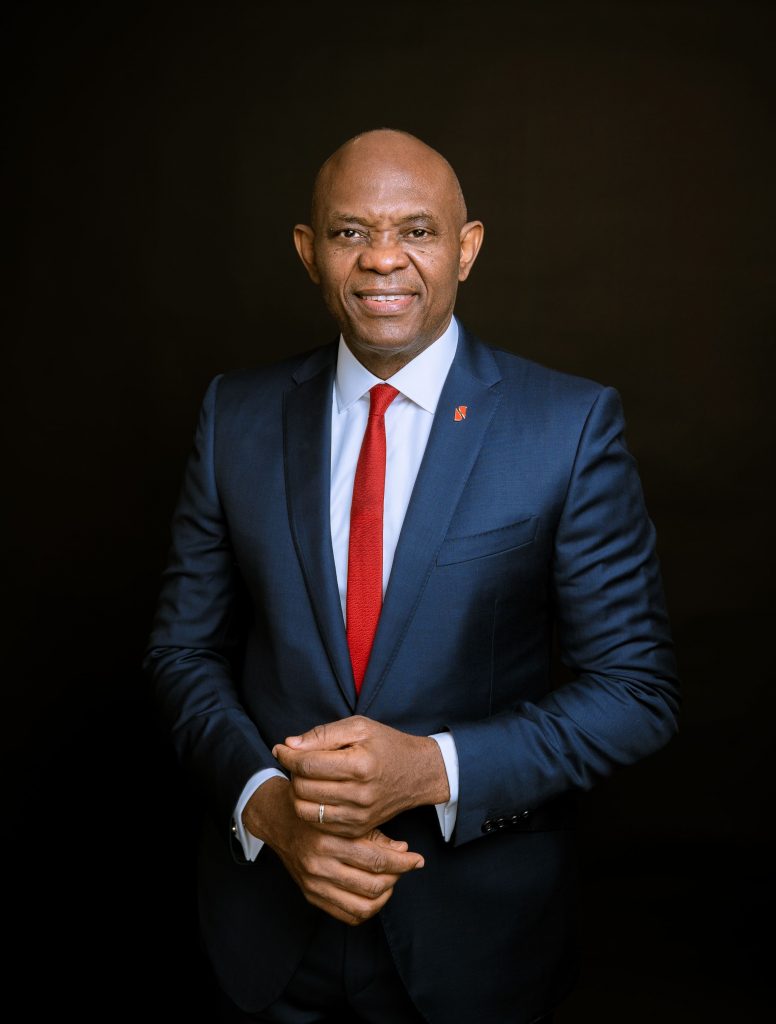
At the center of this narrative is Tony Elumelu’s central thesis: the "democratization of luck." It is a concept that challenges the myth of the self-made tycoon. Elumelu, whose business empire spans the powerhouse institutions of the United Bank for Africa (UBA), the strategic investments of Heirs Holdings, and the industrial infrastructure of Transcorp Group, remains surprisingly candid about the role of fortune in his own ascent. He views his life not as a solo climb, but as a result of a combination of hard work and, crucially, the structural support he was fortunate enough to receive along the way. His foundation is the practical application of this reflection—a multi-generational commitment to ensuring that the next generation of African visionaries does not have to rely solely on the erratic winds of chance to build their futures.
Related article - Uphorial Shopify

The scale of this intervention is staggering. Every year, the foundation selects a massive cohort of African entrepreneurs, providing them with the financial capital, mentorship, and business training required to stabilize and scale their ventures. Korty’s camera moves away from the boardroom to the ground level, capturing the lived reality of these beneficiaries. We hear stories from entrepreneurs whose businesses, once fragile and starved of liquidity, have been transformed by the foundation’s intervention. For these individuals, the TEF grant is more than just a line item in a ledger; it is the bridge between a promising idea and a viable, job-creating enterprise. It represents a systemic push to build a homegrown middle class, one business at a time.Throughout the feature, Korty balances the professional scale of Elumelu’s work with a search for the man behind the headlines. The billionaire is often portrayed in the media as a monolithic figure of power and prestige, but Korty’s observations reveal a man of a more reserved, deliberate nature. She highlights the quiet discipline that anchors his life: his deep commitment to his family and a personal ethics system that prioritizes the health of the African business ecosystem over the fleeting rewards of short-term profit. It is a portrait of a billionaire lifestyle that is devoid of the typical ostentation, replaced by a focused, almost monastic devotion to the development of his home continent.

As the interview progresses, Elumelu outlines the sprawling breadth of his commercial interests—ventures that bridge the critical sectors of energy, technology, and real estate. This is not merely portfolio diversification; it is a strategic attempt to build the foundational infrastructure necessary for an integrated African economy. He speaks with the conviction of a man who understands that until the continent can power its own factories, secure its own data, and house its own burgeoning workforce, its economic sovereignty will remain precarious. It is this high-level vision, coupled with his foundation’s micro-level support, that defines the "Africapitalism" philosophy he has championed for decades.Yet, as the event concludes, the narrative shifts from the stage to the streets. Korty’s reflections offer a sobering, necessary counterbalance to the optimism of the summit. She speaks with a raw, emotional precision about the systemic pressures facing Nigeria—the crushing weight of high unemployment, the escalating cost of living, and the palpable frustration of a youth population that feels increasingly disconnected from the corridors of power. These are not academic challenges; they are the daily realities that millions of Nigerians navigate with remarkable resilience.
In this light, the importance of supporting entrepreneurs becomes an urgent moral imperative. Korty emphasizes that these young founders are not just building businesses; they are building the systems that the state has, in many ways, failed to provide. By creating jobs, fostering innovation, and demanding accountability, they are participating in the arduous, slow-motion work of national renewal.The feature ends not with a victory lap, but with a lingering, provocative question about the future. Can the support of the private sector, however well-intentioned or well-funded, truly overcome the structural inertia that has historically hindered African growth? There are no easy answers in Abuja, a city that remains a crucible of both promise and struggle. However, in the interaction between Elumelu’s strategic vision and the grit of the young entrepreneurs he supports, there is at least the outline of a solution. It is a story of deliberate, calculated hope—an acknowledgment that while luck may have played a part in the success of the past, the future of the continent will be decided by the hard, unglamorous, and absolutely necessary work of those willing to build through the chaos. Korty’s lens succeeds because it captures this tension perfectly: the gap between the billionaire’s grand ambition and the citizen’s daily struggle, and the fragile, essential bridge they are building together.