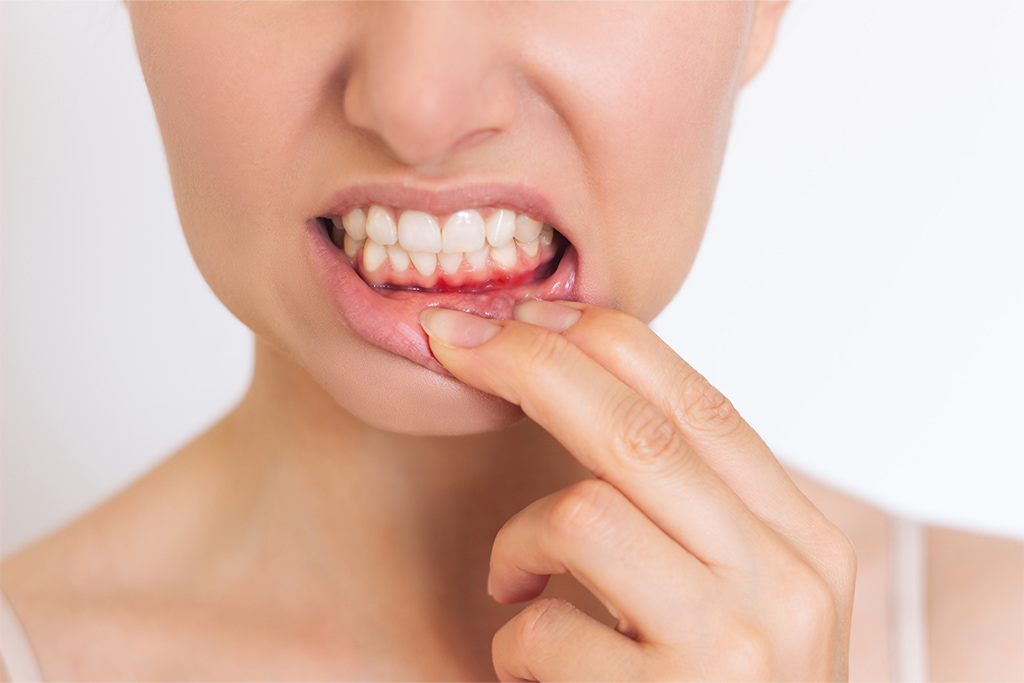
LAGOS - The routine act of brushing one's teeth should leave a person feeling refreshed and clean, yet for millions, it serves as an alarming daily reminder that something is fundamentally wrong beneath the gumline. When pink foam regularly turns to red, it is easy to dismiss bleeding gums as the harmless byproduct of brushing too hard or using stiff bristles. However, as dental professionals repeatedly warn, chronic gingival bleeding is an unmistakable distress signal from the body. Ignoring this silent symptom can trigger a rapid, destructive cascade that transforms minor gum inflammation into irreversible periodontal disease within a matter of months, jeopardizing the very foundation of your smile.
At the core of the danger is the insidious nature of dental plaque and subgingival calculus. When plaque is not thoroughly disrupted through daily interdental cleaning, it hardens into tartar along and beneath the gumline, harboring aggressive anaerobic bacteria that provoke an immune response. This manifests as gingivitis—swollen, tender gums that bleed easily upon mechanical contact. If left unaddressed over a three-month window, this localized inflammation deepens into periodontitis. The immune system, attempting to fight off the persistent bacterial invasion, begins breaking down the soft tissue and alveolar bone supporting the teeth. Gums recede, pockets form around the roots, and teeth that were once rock-solid begin to loosen, shift, or even require extraction.

Related article - Uphorial Shopify
Through intelligent curation of personal hygiene habits, arresting this destructive trajectory requires moving far beyond passive observation to adopt a rigorous, clinical-grade daily defense. This means swapping out worn toothbrushes for soft-bristled or electric alternatives, mastering the delicate art of interdental flossing to clear trapped bacterial colonies, and incorporating antiseptic rinses that target pathogens without disrupting the oral microbiome. Furthermore, because domestic routines cannot remove hardened tartar once it forms, professional scaling and root planing by a dental hygienist becomes an absolute necessity to reset the oral environment and halt bone loss in its tracks.

Deep cultural understanding also plays a vital role in how dental health is prioritized, particularly in communities where regular dental check-ups are viewed as a luxury rather than an essential component of preventative healthcare. Societal normalization of minor oral discomfort often masks the early warning signs of systemic inflammation, which research increasingly links to broader health complications, including cardiovascular disease and diabetes. By reframing oral care not as a cosmetic afterthought, but as a critical pillar of systemic wellness, individuals can break the cycle of neglect before irreversible damage occurs.Ultimately, addressing bleeding gums with urgency and precision employs transformational framing to reclaim control over your long-term health. It reframes a routine dental symptom from an annoying inconvenience into an empowering catalyst for lifestyle change, proving that proactive intervention within a strict three-month window can rescue your teeth, restore your gum health, and preserve your confidence for a lifetime.