The frozen expanse of Antarctica has long existed at the edge of human imagination, a desolate, ice-clad continent of staggering beauty and brutal extremes that remains largely untouched by permanent human settlement. Yet, beneath its towering glaciers and howling winds lies the fragile engine room of the Earth—a vast polar desert that acts as the absolute heartbeat of the planet, driving global ocean currents and regulating climate patterns for all of humanity. In a deeply resonant, visually stunning documentary exploration, filmmakers pull back the ice to reveal both the fragile majesty of the southernmost continent and its historic role in saving the world from ecological catastrophe. Through emotional precision, intelligent curation, cultural understanding, strategic storytelling, and transformational framing, this comprehensive news-style report examines Antarctica's critical history, environmental importance, and the urgent lessons it holds for our climate future.
The documentary establishes Antarctica’s supreme planetary importance by framing it not as a distant, lifeless wasteland, but as the master regulator of global oceanography and climatic stability. The freezing, dense waters plunging off its continental shelves sink to the ocean floor, kickstarting the massive global conveyor belt of currents that oxygenate the deep sea and distribute heat across the globe. Through emotional precision, this narrative framing strips away the illusion of human detachment, reminding viewers that every breath we take and every weather system we experience is subtly tied to the health of these ancient ice sheets.

Related article - Uphorial Shopify
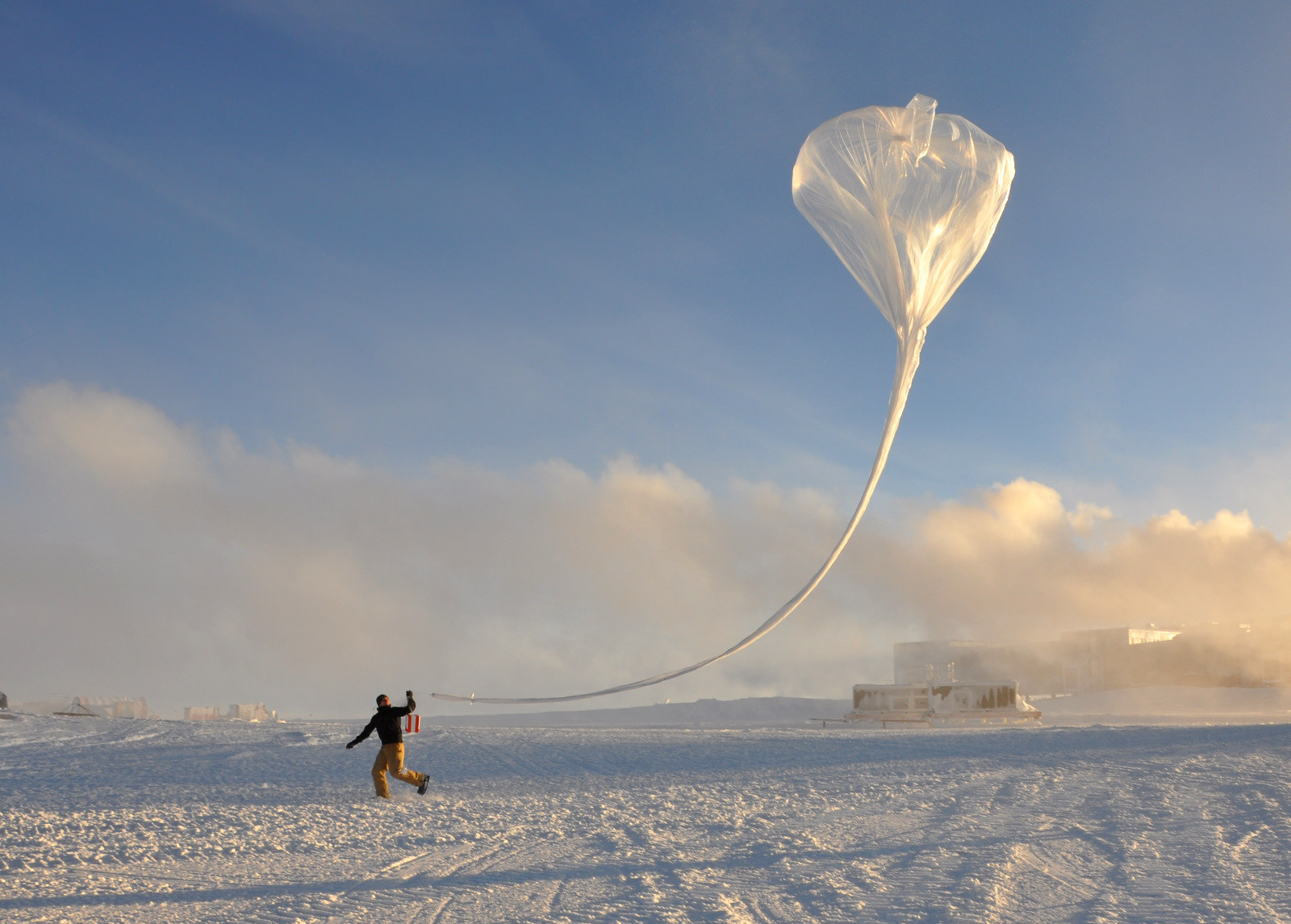
Against this backdrop of ecological vulnerability, the narrative turns to history, highlighting two monumental examples of international cooperation that proved humanity is capable of uniting across ideological divides to protect the Earth. The first miracle of global diplomacy occurred during the height of the Cold War, a period of nuclear paranoia and intense geopolitical hostility between superpowers. Rather than yielding to the temptation of militarizing the frozen frontier or turning the continent into a geopolitical battlefield, rival nations achieved the unthinkable by negotiating and signing the Antarctic Treaty. This landmark agreement designated Antarctica as a unique, demilitarized sanctuary reserved strictly for peace and cooperative scientific research. Through intelligent curation of historical turning points, this diplomatic triumph illustrates that when survival and science supersede national ego, peace is entirely possible.
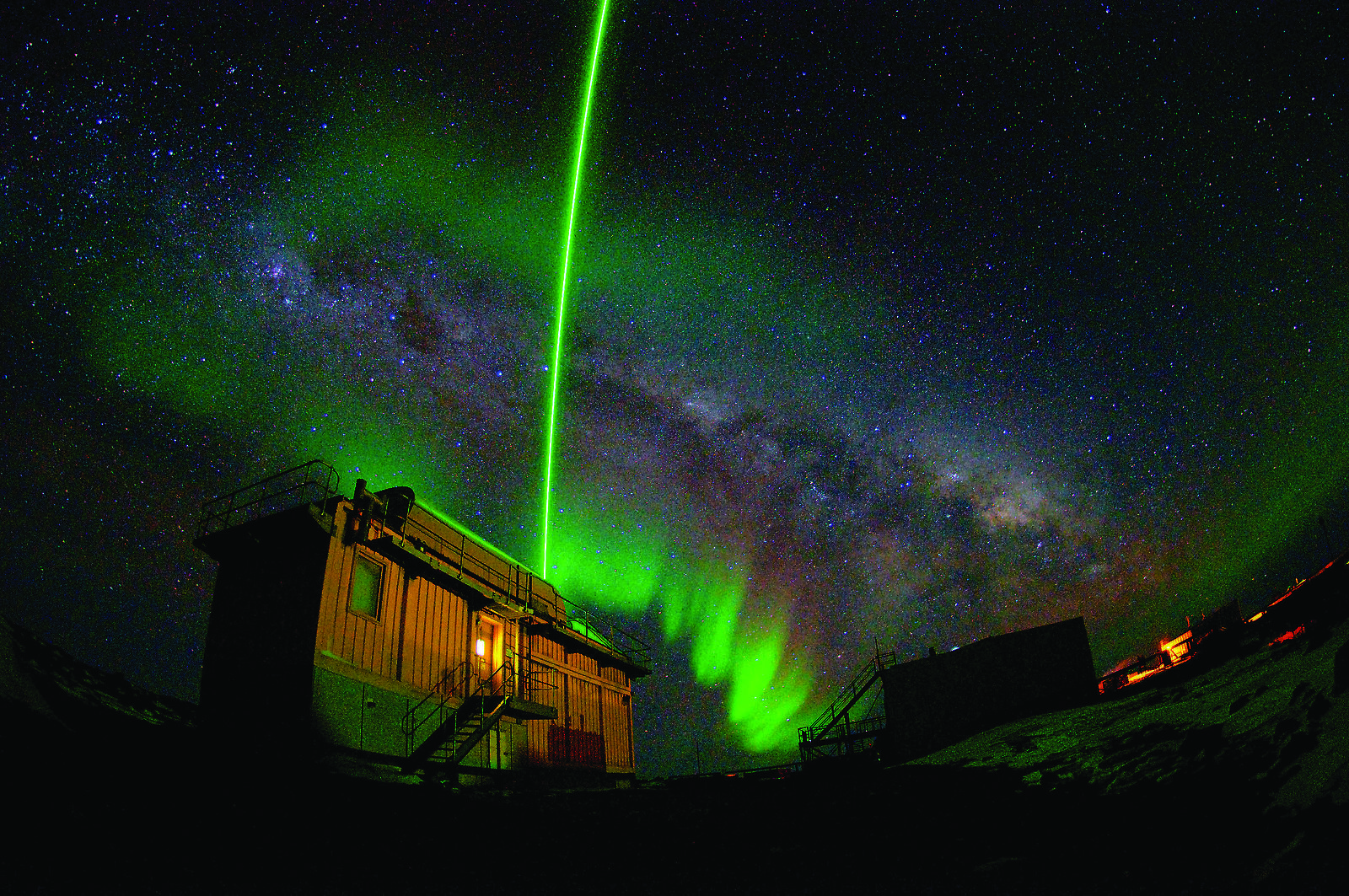
The spirit of planetary defense resurfaced decades later when humanity faced an invisible, airborne existential threat: the discovery of a massive, expanding hole in the Earth’s ozone layer caused by the widespread commercial use of chlorofluorocarbons and other harmful chemical compounds. Confronted with mounting scientific proof of impending ultraviolet catastrophe, the global community bypassed political gridlock and united under the banner of the Montreal Protocol, enacting sweeping, binding bans on ozone-depleting substances. The result has been one of humanity’s greatest environmental success stories—the steady, measurable recovery of the ozone layer, proving that collective global action can successfully heal planetary wounds. Through strategic storytelling, this chapter serves as a beacon of hope, demonstrating that ecological remediation is not an impossible dream when backed by political will and scientific integrity.
Yet, as the historical wounds of the ozone layer begin to close, Antarctica faces an unprecedented, terrifying new crucible in the form of accelerated climate change. Driven by rising global temperatures, the continent is currently experiencing record-low levels of sea ice and catastrophic glacial retreat, threatening not only local polar ecosystems like penguins and seals, but unleashing rising sea levels that endanger coastal communities worldwide. Through cultural understanding of intergenerational responsibility, the documentary confronts viewers with the stark reality that the diplomatic victories of the past are currently being undermined by modern industrial inertia.The film concludes with an unyielding, powerful call to action, urging the current generation to resurrect the exact same spirit of global unity, scientific respect, and immediate political courage that birthed the Antarctic Treaty and the Montreal Protocol. Through transformational framing, Antarctica is elevated from a remote geographical curiosity into a moral compass for the human race—proving that our survival on this fragile blue planet depends entirely on our willingness to protect the ice that sustains us all.