NEWYORK - The global financial landscape is currently navigating a period of profound transition as investors grapple with a volatile mix of geopolitical instability, shifting monetary policies, and a transformative era for the technology and space sectors. During a high-profile address at Harvard University, Federal Reserve Chair Jerome Powell offered a stabilizing yet cautious perspective that temporarily calmed jittery markets. Powell’s remarks came at a critical juncture as Treasury yields had been climbing on fears of sustained inflation. By suggesting that the Federal Reserve remains attentive but not yet reactionary to recent supply-side shocks, Powell managed to spark a relief rally. He emphasized that while oil price volatility remains a significant concern, the central bank’s current policy is well-positioned to "wait and see," effectively cooling immediate fears of further rate hikes while leaving the door open for future adjustments should energy costs remain elevated.
The geopolitical shadow looming over these market movements is the intensifying conflict in Iran, which has now entered its second month. The war has evolved into a central driver of global economic anxiety, threatening to destabilize energy prices and further complicate already fragile global supply chains. The situation is exacerbated by a complex and often contradictory diplomatic environment. President Trump has engaged in a dual-track strategy, publicly discussing potential diplomatic off-ramps while simultaneously issuing stern warnings regarding Iran’s industrial and energy infrastructure. This "maximum pressure" approach has left investors in a state of perpetual high alert, as the threat of an expanded regional war risks pushing crude oil prices into a territory that could stifle global growth and force the Fed’s hand on interest rates.

Within the equity markets, the tech sector has borne the brunt of this uncertainty, with the Nasdaq 100 recently sliding into correction territory. This downturn has ignited a fierce debate among institutional investors regarding the future of software and silicon. Denise Chisum, a prominent voice from Fidelity, has pointed out a striking dichotomy: while tech stocks are currently trading at their most attractive valuations in over a decade, many investors remain paralyzed by the fear of a "software apocalypse." This term reflects a growing anxiety that traditional software-as-a-service models are being disrupted by the rapid evolution of artificial intelligence. However, the prevailing sentiment suggests that for those willing to look past the short-term rout, the long-term potential of AI integration represents a generational buying opportunity that could redefine the sector's leadership.
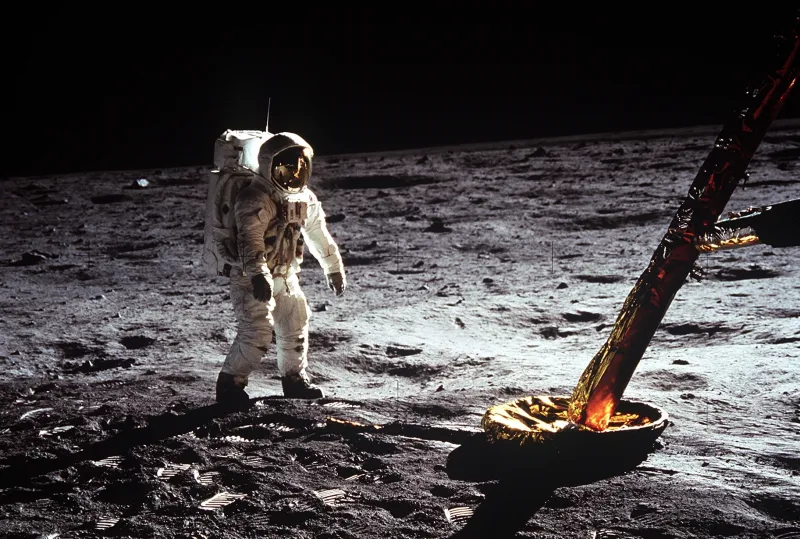
While Earth-bound markets struggle with volatility, the space industry is reaching a fever pitch of activity and capital interest. NASA is currently on the precipice of a historic milestone with the Artemis II program, which is finalized for a lunar flyby. This mission is being viewed as a litmus test for the future of deep-space exploration and the viability of crewed landings. What makes Artemis II particularly noteworthy is the unprecedented level of cooperation between legacy aerospace giants like Boeing and Lockheed Martin and the more agile, private-sector disruptors led by SpaceX. This synergy is proving that the "new space" economy is no longer a theoretical concept but a robust industrial engine capable of executing the most complex missions in human history.
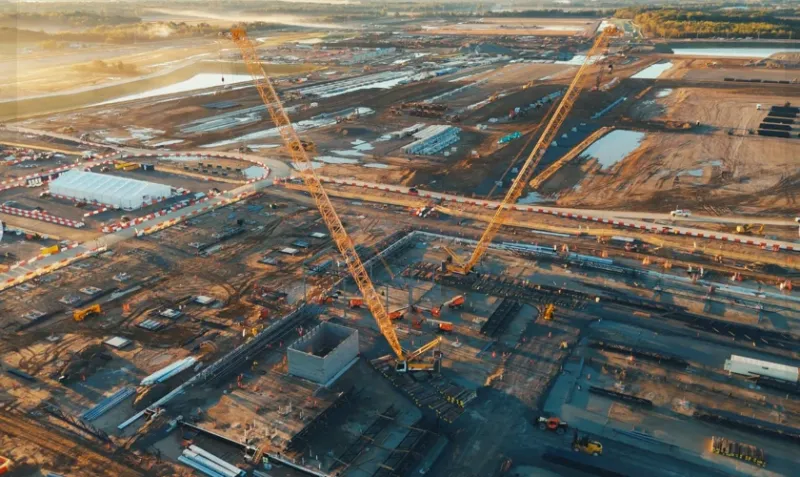
The financial world is also laser-focused on the looming SpaceX IPO, a public offering that is expected to be one of the most significant in history. Analysts are currently projecting a valuation of approximately $1.75 trillion, with a target capital raise in the neighborhood of $75 billion. Beyond the sheer scale of the numbers, the excitement is driven by Elon Musk’s ambitious "Terafab" plan. According to Joseph Alagna of Buttonwood Funds, the Terafab initiative represents a radical shift toward total vertical integration. By aiming to manufacture its own high-end chips and integrate them directly with AI infrastructure and satellite hardware, SpaceX is looking to break its dependence on external suppliers like Nvidia. This strategy of self-sufficiency not only bolsters the company’s valuation but signals a broader move within the tech elite to control the entire stack of innovation from the ground up.
As the quarter progresses, the intersection of these events—Powell’s monetary balancing act, the grinding conflict in the Middle East, and the stratospheric ambitions of the space sector—paints a picture of a world in flux. Investors are forced to navigate a "new normal" where traditional market indicators are constantly interrupted by geopolitical headlines and rapid-fire technological breakthroughs. Whether the current correction in tech is a harbinger of a broader downturn or a necessary clearing of the decks for the AI and space-led era remains to be seen. However, the narrative coming out of Bloomberg Technology suggests that the players who can synthesize these disparate trends will be the ones best positioned to lead the next market cycle.