NEWYORK - The global technology sector underwent a seismic shift this week as a convergence of geopolitical instability, massive infrastructure demands, and a shifting regulatory landscape sent shockwaves through the markets. For the first time in recent cycles, the tech-heavy NASDAQ 100 has officially dipped into correction territory, a downward move fueled by a sobering reassessment of the costs associated with the artificial intelligence revolution and the fragile nature of global supply chains. As investors grapple with these overlapping crises, the industry is witnessing a pivot from the unbridled optimism of the early AI era toward a more disciplined, high-stakes era of capital expenditure and resource management.
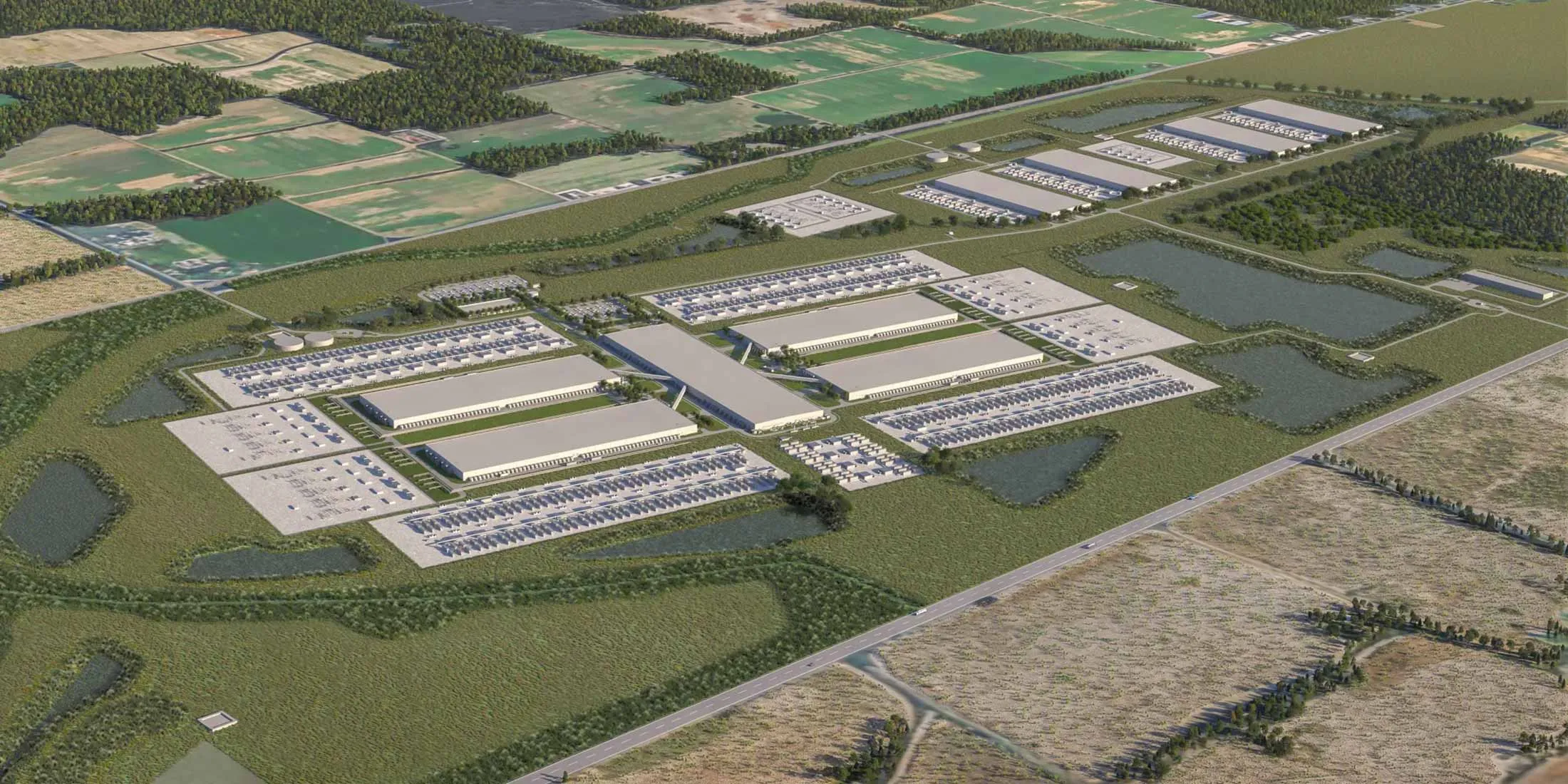
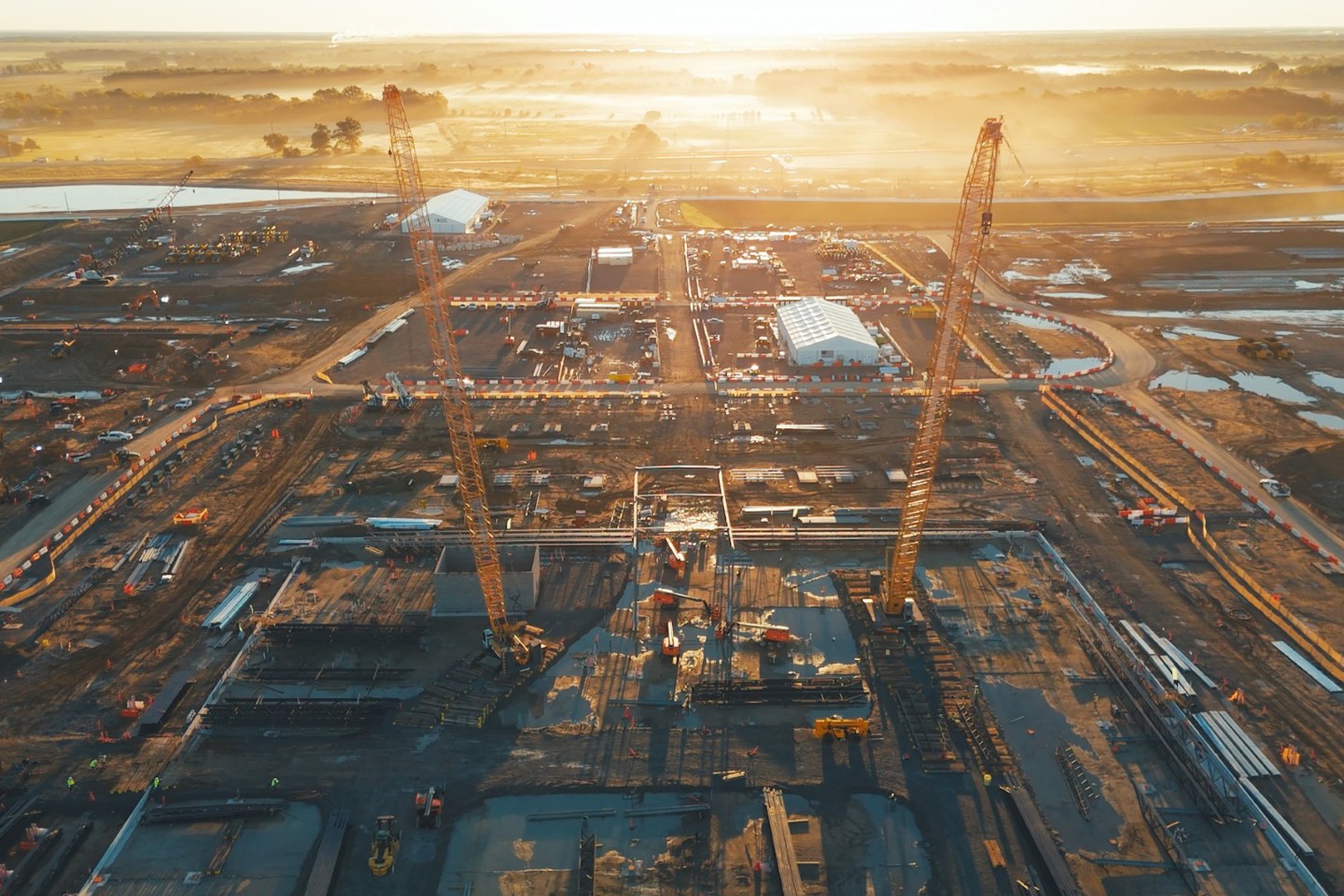
At the heart of this market volatility is the staggering cost of the physical infrastructure required to sustain the next generation of computing. Meta has emerged as a primary example of this trend, revealing plans for an unprecedented expansion of its energy footprint to support its artificial intelligence ambitions. The company is currently funding the construction of seven new natural gas-fired power plants in Louisiana, specifically dedicated to its Hyperion data center. These seven plants are in addition to three already planned, bringing the total to ten dedicated energy facilities for a single site. Industry analysts have described Hyperion as the "crown jewel" of Meta’s data center fleet, a massive facility designed to house the dense clusters of GPUs necessary for advanced AI modeling. The scale of this investment underscores a new reality for Big Tech: the software-driven "light" capital model of the past has been replaced by a heavy-industrial requirement where securing energy is just as critical as writing code.
Related article - Uphorial Shopify
The financial strain of these infrastructure projects is being further exacerbated by a deteriorating geopolitical situation in the Middle East. As tensions involving Iran continue to escalate, the ripple effects are being felt directly in the balance sheets of Silicon Valley. Economists have noted that while global shipping lanes remain open, the increased risk and necessary rerouting have made logistics significantly costlier and more time-consuming. This is not merely a matter of delayed consumer electronics; the conflict is disrupting the supply of critical industrial materials such as helium, which is essential for semiconductor manufacturing and high-tech cooling systems. For technology companies already operating on thinning margins due to massive AI research and development spending, these inflated supply chain costs are creating a period of significant margin compression that has left Wall Street wary.
Despite the market correction and the logistical headwinds, the race for dominance in the private sector remains at a fever pitch. Anthropic, a leading force in the generative AI space and a primary rival to OpenAI, is reportedly accelerating its timeline for a public debut. Internal reports suggest the company is aiming for an Initial Public Offering as early as October. This move is being viewed by market observers as a strategic attempt to secure a first-mover advantage in the public markets, potentially sparking a high-stakes race against other "decacorns" like OpenAI and SpaceX. Major investment banks are already positioning themselves to lead these potential offerings, recognizing that these companies require a continuous and immense influx of capital to maintain their pace of innovation and infrastructure build-out.
As the industry matures and the stakes grow higher, the regulatory environment is also reaching a critical inflection point. The transition toward a more structured federal approach to AI policy is gaining momentum under the guidance of the presidential council on science and technology. David Sacks, co-chair of the council, has outlined a vision for the future of American innovation that prioritizes a single, streamlined federal rulebook for artificial intelligence. The goal is to dismantle the current "patchwork" of varying state-level regulations that many industry leaders argue stifles growth and creates legal uncertainty. By establishing a unified national framework, the administration aims to provide the regulatory clarity necessary for tech giants and startups alike to scale their operations without the fear of conflicting regional mandates.
This week’s developments represent a coming-of-age for the AI era. The fall of the NASDAQ into correction territory serves as a reminder that even the most transformative technologies are not immune to the laws of economics and the realities of global conflict. From the natural gas plants of Louisiana to the boardroom maneuvers in San Francisco and the diplomatic halls of Washington, the technology sector is being forced to adapt to a world where energy, geography, and policy are just as influential as the algorithms themselves. As the industry looks toward the final quarters of the year, the focus will remain on whether these massive investments in infrastructure and the push for public capital can stabilize a market currently on edge.