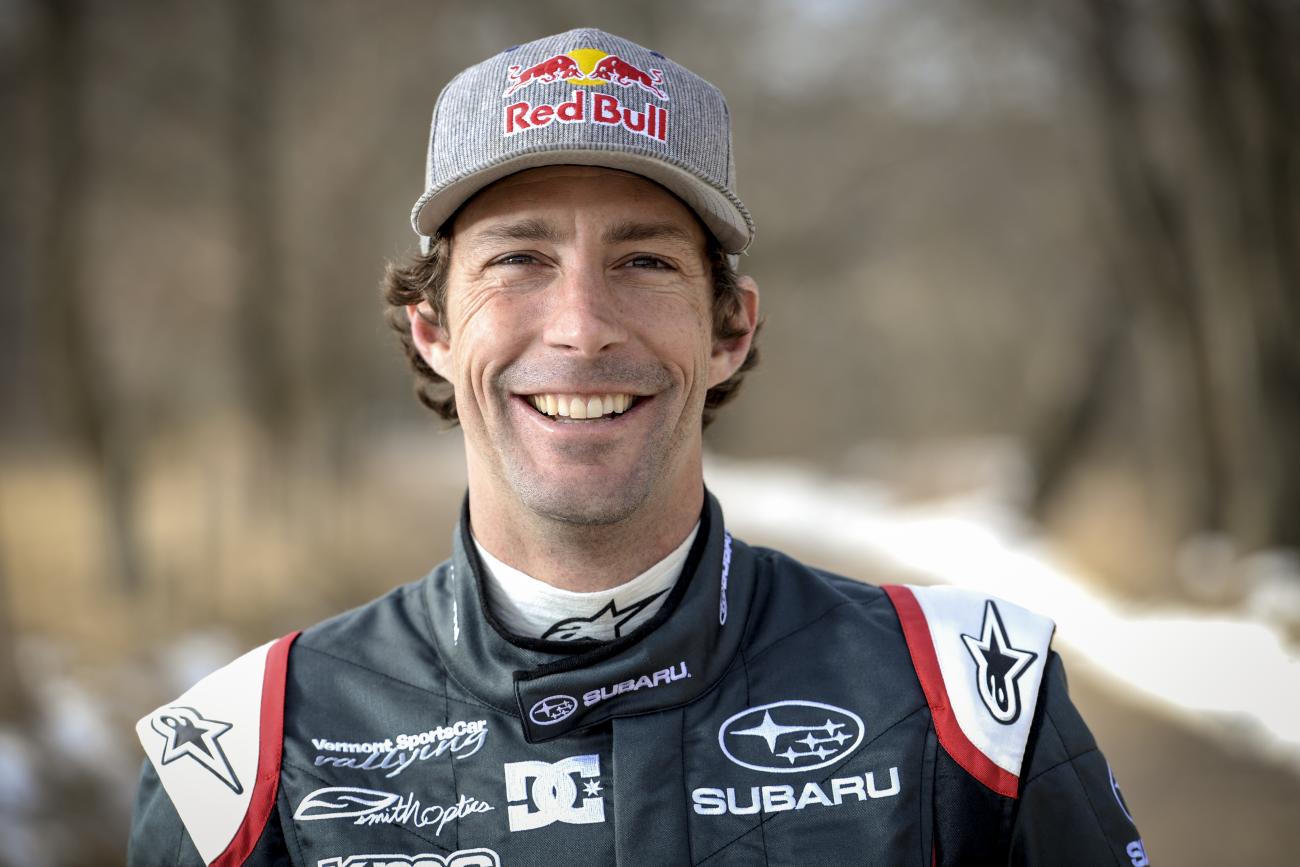
Travis Pastrana’s professional career represents a unique intersection of extreme athletic achievement and a staggering medical record that Dr. Chris Raynor, an orthopedic surgeon, describes as the single most instrumented skeleton in the history of action sports. Known for his dominance in motocross, NASCAR, and high-stakes stunts, Pastrana has effectively turned his body into a living case study of what happens when human tissue is repeatedly subjected to high-velocity trauma. According to Dr. Raynor, Pastrana has undergone over 30 surgeries and broken dozens of bones, including a harrowing 40 fractures across just seven bones in his right foot. His skeletal "hardware catalog" includes a new right knee, a new left hip, five ACL reconstructions, and a shattered pelvis.
The most critical entry in this medical history is a thoraco-lumbar dissociation suffered when Pastrana was only 14 years old, an injury in which his spine essentially sheared off his pelvis. Dr. Raynor identifies this as the standout operation of Pastrana’s life because of the extreme neurological stakes; whereas a failed knee surgery might cause a limp, a complication during this type of spinal-pelvic fusion often results in a wheelchair or death. Despite the massive hemorrhage and months of recovery that followed, Pastrana returned to competition and spent decades repeatedly overloading that same fused spine, a feat Dr. Raynor characterizes as "medically terrifying".

Related article - Uphorial Shopify

Managing the chronic pain associated with such a history is a complex challenge, especially in a world grappling with an opioid crisis. Pastrana sits in the highest risk band for long-term opioid exposure, yet he has largely avoided these medications because they make him feel sick and out of control. Instead, he utilizes a "fighting chance" strategy that combines exercise therapy, stem cells, and the "Wolverine stack" of peptides and CBD to maintain functionality. Dr. Raynor notes that while Pastrana’s approach is unconventional, it aligns with a "human 2.0" playbook that prioritizes strength, mobility, and consistent movement to keep the nervous system and joints as healthy as possible.
Despite Pastrana’s current high level of activity, Dr. Raynor warns that the long-term bill for such musculoskeletal violence is steep. The risk of accelerated osteoarthritis, chronic mobility limitations, and the potential for CTE from repeated concussions looms large over his senior years. Every high-energy crash is viewed as a withdrawal from a "joint bank account," where each subsequent surgery becomes more difficult due to existing hardware and scar tissue. Ultimately, Dr. Raynor uses Pastrana’s journey as a professional warning for all athletes: the body is the only "chassis" you get, and protecting it through smart, consistent movement is far more effective than trying to rebuild it after it has been shattered.