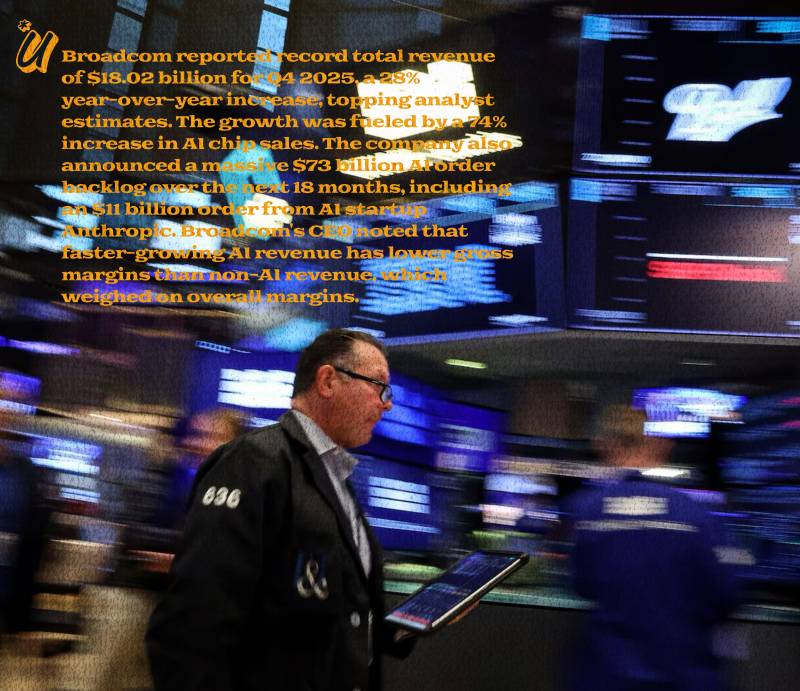
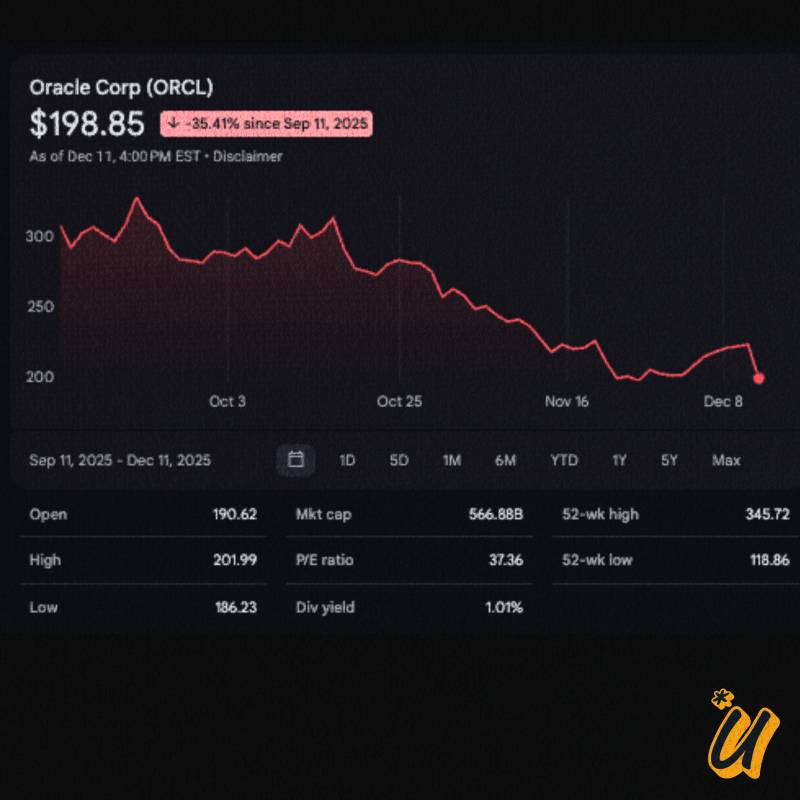
The mood on Wall Street this week has felt eerily familiar, screens filled with red, algorithms whirring, traders frowning at their monitors. The tech sector, once untouchable, is watching its sheen fade as the selloff continues for the second consecutive day. This isn’t just about stocks dipping; it’s about something more profound. Investors are no longer just buying the dream of artificial intelligence; they’re asking for proof, for returns, for something tangible. And for many companies, that’s where the story grows complicated.
Bloomberg’s Caroline Hyde captured it perfectly in her latest discussion: a broad slide in tech shares signals not just market jitters, but skepticism. What once felt like the next gold rush, AI, now faces the cold scrutiny of ROI. The exuberance that drove billions into chatbots, copilots, and futuristic promises is now colliding with the stark reality that building these systems is costly, time-consuming, and, for many, not yet delivering measurable returns.
Bank of America’s new Chief Technology and Information Officer added a corporate lens to the debate. In an age where every bank, healthcare company, or logistics firm is being told “AI will change everything,” the actual deployment is more restrained. Banks are testing fraud detection, risk management, and customer service models. But the spending is enormous, and the efficiency gains aren’t yet transforming balance sheets at the scale investors hoped for. Then came the MIT report, damning in its simplicity, that most enterprises are not seeing meaningful ROI from AI spend. If data is the new oil, then much of it is still stuck underground, untapped, or too messy to refine.

Related article - Uphorial Sweatshirt

The story grows sharper when we look at Meta. For the second time, the company has restructured its AI team. Analysts whisper that Meta is still searching for clarity on how to marry its massive infrastructure with the AI-driven experiences users actually want. For a company that once confidently told the world it was building the “metaverse,” this recalibration feels symbolic. It’s a reminder that even the titans of Silicon Valley are learning that AI isn’t a magic wand. It’s a long, uncertain grind.
But here’s the nuance that headlines often miss: this moment of skepticism might be exactly what AI needs. Markets move in cycles, and hype alone cannot sustain innovation. The selloff forces a reckoning. It asks companies not just to dream, but to deliver. Think back to the dot-com crash. Yes, fortunes were lost, but from the ashes rose Amazon, Google, and the digital economy as we know it. Perhaps today’s AI selloff is less about failure and more about filtering. Separating noise from signal. Hype from value.
Walking through San Francisco today, you’d still hear engineers in coffee shops debating transformer models, still see startups raising seed rounds to “redefine the future of work.” But investors are watching more closely. The easy money era is gone. Every dollar now demands a story of not just scale, but sustainability. That tension, between innovation and expectation, creates the drama we’re witnessing in the markets.
So yes, the selloff hurts. Yes, the MIT report rattled nerves. Yes, Meta’s restructuring feels unsettling. But history tells us this: the companies that navigate this moment with discipline, patience, and a willingness to show real returns will be the ones that define the next chapter. The question isn’t whether AI is overhyped. It’s whether businesses are ready to do the hard, unglamorous work of proving it matters. And in that gap—between imagination and evidence, lies the true story of today’s market turmoil.