LONDON – The British Museum’s latest expansive exhibition offers a rare, scholarly deconstruction of one of history’s most romanticized figures: the Japanese Samurai. In a comprehensive curator-led tour, the museum challenges the narrow, pop-culture perception of the samurai as mere killing machines, instead presenting a thousand-year evolution of a warrior class that functioned as the primary architects of Japanese diplomacy, administration, and high culture. By moving beyond the static myths of the katana and the code of honor, the exhibition reveals a complex societal group that adapted to the shifting tides of technology and peace with remarkable fluidity.
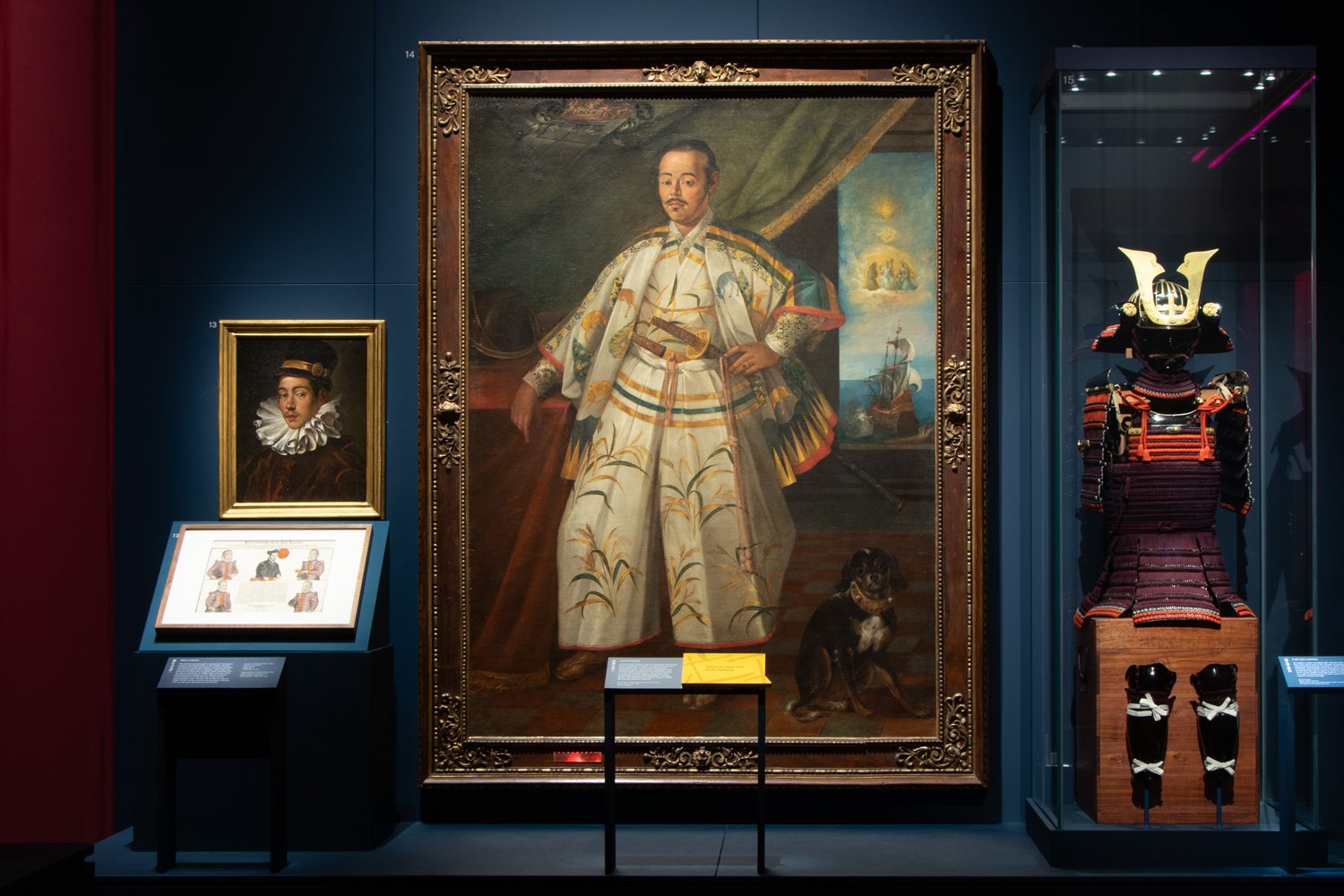
The historical journey begins not with the sword, but with the bow. The early sections of the exhibition focus on the rise of the samurai as elite mounted archers, a far cry from the infantry-style combat often depicted in modern media. On display are the iconic early oyodoi armors—massive, box-like structures designed specifically to protect a rider from incoming arrows while providing a stable platform for archery. However, as the nature of Japanese warfare shifted from individual aristocratic duels on horseback to large-scale hand-to-hand combat between infantry units, the exhibition tracks a corresponding evolution in military technology. The transition led to the development of the haramaki armor, which prioritized agility and close-quarters protection. It was during this era that the katana transitioned from a secondary tool to the primary weapon, eventually becoming the "soul of the samurai" and a symbol of social status.
Yet, even during the bloodiest periods of the Sengoku era, the exhibition demonstrates that the samurai life was never defined solely by the battlefield. A surprising amount of floor space is dedicated to the cultural and diplomatic lives of these warriors. The curators highlight the formal tea gathering—not merely as a moment of zen, but as a high-stakes tool for political diplomacy. In the hushed environment of the tea room, rival lords negotiated treaties and formed alliances, proving that refinement was as much a requirement for survival as martial skill. This diplomatic reach extended far beyond the shores of Japan; the exhibition displays remarkable evidence of international missions, most notably the 1613 voyage of Hasekura Tsunenaga. Traveling across the Pacific and Atlantic, Tsunenaga reached the Vatican, representing a samurai class that was actively seeking to understand and engage with the broader world centuries before the modern era.
Related article - Uphorial Shopify

/https://agsa-prod.s3.amazonaws.com/media/dd/images/93591-20200728_SAMURAI_Exhibition_Installation_Adobe_RGB_Photo_Saul_XIFUhiH.e065d0e.jpg)
The exhibition takes a particularly fascinating turn as it examines the Edo period, a two-and-a-half-century stretch of relative peace under the Tokugawa shogunate. During this time, the "warrior" class underwent a radical transformation into a "scholar-administrator" class. Deprived of active combat, samurai men reinvented themselves as land surveyors, urban planners, and sophisticated mathematicians. The museum showcases intricate scrolls and calculation tools that suggest a class as comfortable with a brush as they were with a blade. Crucially, the exhibition sheds light on the often-overlooked roles of samurai women. Beyond their roles in managing households, the tour reveals that samurai women were active participants in the public safety of Edo, even serving in elite firefighting companies tasked with protecting the city’s dense wooden architecture from the era's frequent and devastating blazes.

As the narrative moves into the 19th and 20th centuries, the museum addresses the "legend-making" process that created the modern image of the samurai. The curators explain how the concept of Bushido—the Way of the Warrior—was largely a late 19th-century invention, codified and promoted during the Meiji period to provide a moral backbone for a modernizing nation. This section examines the uncomfortable manipulation of the samurai image for political and nationalist ends, showing how the aesthetic of the loyal, self-sacrificing warrior was utilized as a nationalist symbol during the conflicts of the 20th century. By deconstructing these political uses of history, the British Museum allows visitors to see the difference between the actual lived experience of the samurai and the mythos constructed to serve state interests.
The tour concludes by bridging the historical gap, exploring the indelible mark the samurai aesthetic has left on global pop culture. From the intricate linework of classic manga and the high-energy frames of contemporary anime to the silhouettes of modern high fashion, the samurai image remains a potent source of inspiration. The exhibition’s final displays feature contemporary art pieces that play with these tropes, including a whimsical yet technically brilliant sculpture of a samurai mounted on a giant rubber duck. This final juxtaposition serves as a reminder that while the thousand-year reign of the actual warrior class ended over a century ago, their influence continues to float through the modern imagination, evolving and adapting to each new generation just as the samurai once adapted to the world around them. The British Museum's curator-led tour ultimately leaves the visitor with a profound sense of the samurai not as relics of a violent past, but as a multi-dimensional class of people who defined a millennium of Japanese history. By highlighting their roles as artists, mothers, firefighters, and scientists, the exhibition successfully replaces a one-dimensional caricature with a rich, human reality.